
Vandaag of morgen in huis

Kwaliteit gegarandeerd

Welkomstaanbiedingen ontgrendelen: GRATIS bezorging | Tot 80% korting | Gratis 30 dagen JoyPlus-proefperiode
Download de app
An SPF 30 day cream is an intelligent addition to your morning routine. It combines hydration, skincare, and sun protection in a single product. This is convenient, as it allows you to protect your skin daily from UV radiation—the primary cause of premature skin ageing, such as wrinkles and dark spots. But the market is saturated, and not every cream lives up to its claims. Many products promise the world but fail to deliver the desired results in practice.
Before you make a choice, it's wise to understand the most common pitfalls:
To avoid wasting money on a cream that doesn't suit you, there are a few technical specifications you should always check. These determine whether a product is truly effective for your skin.
The most important function of a day cream with SPF is protection. Therefore, always check whether the packaging mentions broad-spectrum or both UVA and UVB protection. The SPF factor (e.g., SPF 30) indicates the level of protection against UVB rays. Protection against UVA is often indicated by a UVA logo (a circle with 'UVA' inside). Without this dual protection, your skin is still vulnerable to premature ageing.
A good day cream does more than just protect. The active ingredients determine its additional skincare benefits. Tailor these to your skin's specific needs:
The texture of the cream is crucial for comfort and effectiveness.
Based on these criteria, we have selected a number of products that fit different user profiles.
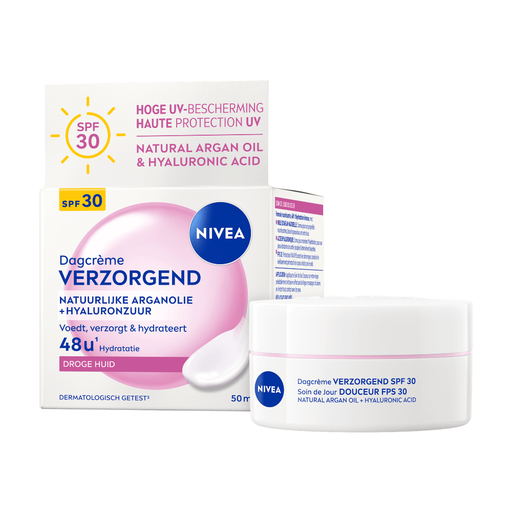
Why This Fits Their Persona: This is a no-nonsense face cream with SPF 30 for those seeking a reliable, affordable foundation for their daily routine. It's ideal for a fuss-free regimen, focusing on hydration and protection for dry skin.
It tackles the "one-size-fits-all" trap by offering a specific formula for dry skin with argan oil and hyaluronic acid, rather than a vague hydration promise.
Combines broad-spectrum SPF 30 with nourishing ingredients for a comfortable feel all day long.
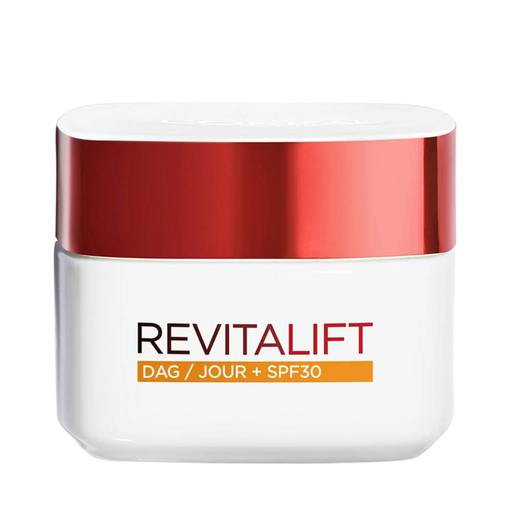
Why This Fits Their Persona: It is aimed at users who want to actively combat wrinkles and loss of firmness. This cream is specifically designed for mature skin that needs a firming effect in addition to sun protection.
Goes beyond a simple SPF cream by adding active anti-wrinkle ingredients. According to L'Oréal Paris, it contains Pro-Retinol A to support cell renewal.
Clear focus on anti-wrinkle action, combined with daily SPF 30 protection against UVA and UVB radiation.
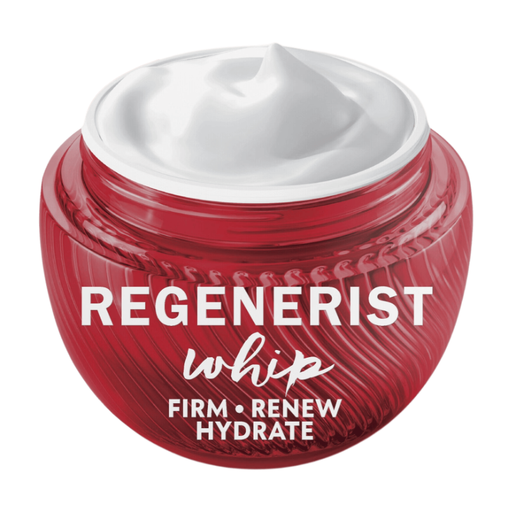
Why This Fits Their Persona: Perfect for those who dislike a heavy, greasy feel. The 'whip' texture is airy, absorbs instantly, and leaves a matte finish. Ideal under makeup or for a shine-free day.
This is the direct answer to the trap of heavy, pore-clogging SPF creams. The formula is specifically developed to feel non-greasy and to mattify the skin.
Light, airy texture with a matte finish, especially for oily/combination skin. Also contains niacinamide and peptides for added skincare benefits.
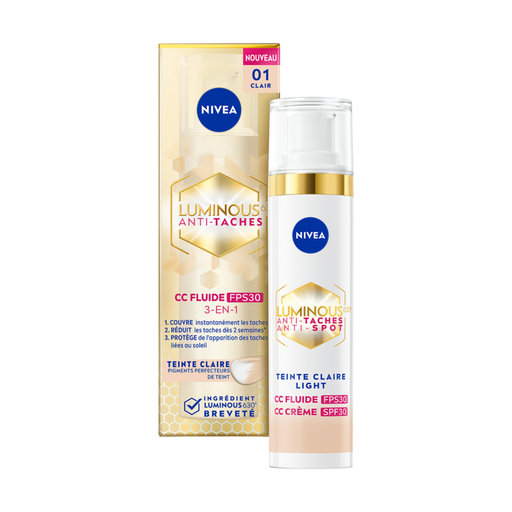
Why This Fits Their Persona: For those who want an instantly more even complexion while also tackling dark spots in the long term. It's skincare and light, colour-correcting makeup in one, perfect for a quick and effective morning routine.
This product tackles the 'SPF illusion' by not only protecting but also actively working on sun-induced spots with NIVEA's patented ingredient LUMINOUS630.
Combines SPF 30, an active approach against dark spots, and a tinted CC cream for instant skin tone evening.
We have compiled a complete, up-to-date list of products that fully meet these strict selection criteria and current regulations.
For daily, incidental sun exposure—such as commuting, sitting indoors near a window, or a short walk—a day cream with SPF 30 provides a good baseline of protection. However, for prolonged and direct exposure, like sunbathing on a terrace, gardening, or a day at the beach, it is not sufficient. In those cases, it is necessary to use a separate, water-resistant sunscreen for the face and reapply it generously every two hours.
This is not recommended. SPF filters serve no purpose at night and can unnecessarily burden the skin. They are designed to block UV radiation, not to repair the skin. At night, use a specific night cream formulated to support the skin's nocturnal recovery process, without the addition of sun filters.
No. A day cream is often applied more thinly than a sunscreen, meaning that in practice, you usually don't achieve the promised SPF 30 protection. On holiday and during intense sun exposure, it is crucial to use a separate, water-resistant sunscreen with at least SPF 30 (or preferably SPF 50). Apply it generously—about a full teaspoon for the face—and reapply every two hours and after swimming or sweating.
