
Anyone who wants to share a plate of biscuits
Look for crisp speculaas to enjoy with coffee, tea and presents. A 600 g pack of traditional baker’s speculaas is an option for a group.


Choose traditional baker’s speculaas if you’d like to serve crisp biscuits, or filled speculaas if almond paste and a larger piece of cake are more suited to your celebrations. A speculoos variety labelled vegan may suit a plant-based diet, but if any guests have allergies, always check the packaging of the exact variety you’re buying.
Look for crisp speculaas to enjoy with coffee, tea and presents. A 600 g pack of traditional baker’s speculaas is an option for a group.
Choose this if you’re looking for almond paste and portions that are more like cake than individual biscuits. The portion size and allergens in the variety you choose are also worth considering.
Check in advance whether a biscuit is suitable for your guests’ dietary requirements and allergies. A label such as ‘vegan’ doesn’t replace checking the ingredients and allergen information.
First decide whether you’d like to serve individual biscuits or filled speculaas. Then compare the packaging, nutritional information and allergens of the varieties that could suit your guests.
| What to consider | What to check | Who it matters to |
|---|---|---|
| Biscuits to share | Check the pack size and decide whether traditional baker’s speculaas or a filled variety is right for you. | If lots of guests are joining us, I want plenty of individual, crisp biscuits on the table. For around 33% of consumers, sharing is the top priority. |
| A filled treat | Check that the product actually contains almond paste and look at the stated serving size. | For a treat served in slices, I’m specifically looking for speculaas with almond paste, not just a biscuit with almond. This is the most important requirement for around 25% of consumers. |
| Dietary requirements and allergens | Read the current ingredients list and allergen information, including any warnings that the product may contain certain ingredients. | If a guest has an allergy or follows a plant-based diet, the variety you choose needs to be suitable before flavour or size comes into consideration. This is the top priority for around 25% of consumers. |
| Nutritional value and portion size | Compare sugars, saturated fat, salt and fibre per 100 g, then consider how much you’ll actually serve. | I wouldn’t compare traditional and filled biscuits based only on the stated serving size, as these can differ. This comparison matters most to around 17% of consumers. |
A small biscuit and a piece of filled speculaas aren’t the same serving size. So a difference per serving doesn’t necessarily tell you how the products themselves compare.
Start by comparing nutritional values per 100 g, then consider how many biscuits or how many grams you’d like to serve. The Netherlands Nutrition Centre advises comparing labels per 100 g.
The standard Lotus Biscoff speculoos biscuit reviewed here is labelled vegan, but according to the product information it contains wheat and soya.
If you have an allergy, check the ingredients and any warnings on the current packaging of the variety you choose.
The Albert Heijn filled speculaas reviewed here contains almond paste and lists almond, egg, milk and wheat among its ingredients. This makes it a different choice for guests with those allergies than a plate of individual biscuits.
Check the label before serving filled speculaas and keep different types of biscuits clearly separate.
The product pages reviewed recommend storing speculaas in a cool, dry place and resealing the packaging after opening.
Seal the pack or biscuit tin properly after serving.
The own-brand products reviewed offer a choice between traditional baker’s speculaas and butter-filled speculaas.
The product pages reviewed feature Jumbo Bakkers Speculaas and separate Lotus Biscoff varieties.
The standard speculoos biscuit is an individual biscuit to enjoy with coffee or tea; the sandwich variety reviewed here also has a filling.
The baker’s speculaas reviewed here comes in a 600 g pack of crisp biscuits.
These products offer individual biscuits to share or enjoy with coffee and tea: traditional baker’s speculaas, speculoos and almond speculaas. Almond speculaas isn’t necessarily the same as filled speculaas with almond paste.
 No image available
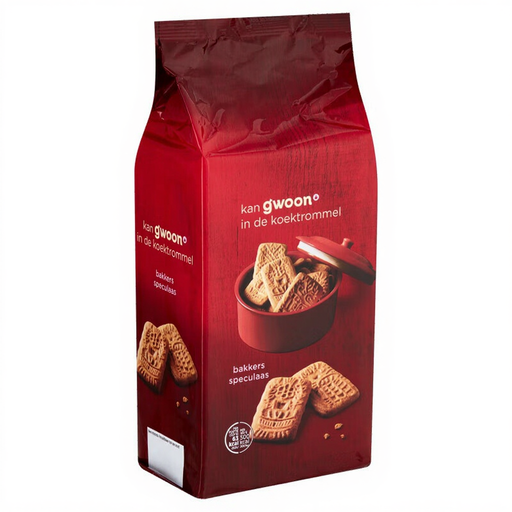
Traditional baker’s speculaas for anyone who wants to serve individual biscuits. The pack contains 600 g; if you’re catering for guests with allergies, check the current allergen information.
 No image available
Individual speculoos biscuits to enjoy with coffee or tea. According to the product information, the 250 g pack contains around 32 biscuits and is labelled vegan; if you have allergies, check the current packaging for the listed wheat and soya.
 No image available
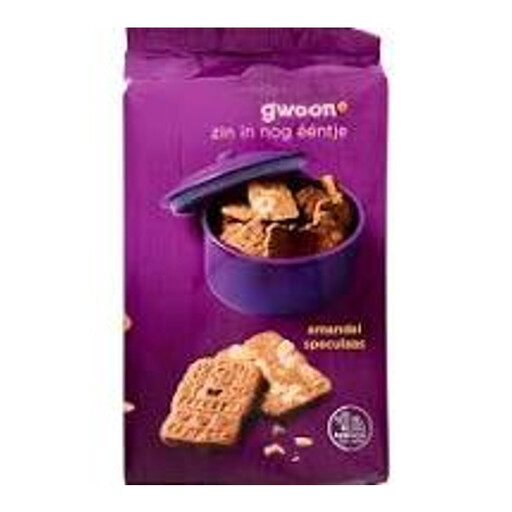
A 400 g pack of almond biscuits to serve individually. If you’re specifically looking for filled speculaas with almond paste, check the product description and ingredients. Also check the current allergen information for your guests.
Compare the nutritional values per 100 g, then consider how much you’d like to serve. An individual biscuit and a piece of filled speculaas often have different serving sizes. The Netherlands Nutrition Centre says that comparing labels per 100 g gives you a consistent basis.
Not on the basis of that label alone. According to the product information, the standard Lotus Biscoff biscuit reviewed here contains wheat and soya. Check the ingredients and warnings on the current packaging for the specific allergy.
It depends on the variety you choose: the products reviewed here include ingredients such as wheat, soya, almond, egg and milk. Read the ingredients list and any warnings on the exact pack you’re serving. The Netherlands Food and Consumer Product Safety Authority explains how allergens are listed on labels for packaged foods.
Keep the biscuits dry and seal the pack or biscuit tin properly after opening. Also follow the storage advice on the packaging of the product you choose.