
If you’re putting biscuits out for a group
For visitors, a staff room or a shared snack cupboard, packs of 450–600 g are a good place to start. Then compare the number of biscuits, if stated, with the number of people sharing them.


If you’re serving speculaas to a group, start with a 450–600 g pack; for a smaller gathering, a 250 g pack may be a better fit. Individually wrapped portions are handy when you want to hand them out one per person, but they’re no substitute for a large pack everyone can help themselves to. Whichever you choose, check the allergens on the exact pack and compare the nutritional information per 100 g.
For visitors, a staff room or a shared snack cupboard, packs of 450–600 g are a good place to start. Then compare the number of biscuits, if stated, with the number of people sharing them.
If not everyone will be taking biscuits from the same pack at once, individually wrapped portions are an alternative to loose biscuits. Jumbo lists Lotus Biscoff XL as a pack of ten sachets, each containing two biscuits.
When checking allergens or comparing sugars, salt and saturated fat, the information for the specific variety you choose is what counts. Compare nutritional information per 100 g and read the allergen statement on the current pack.
First, decide how you’ll share the biscuits: from a plate for everyone to help themselves, or individually, one portion per person. Then use the pack weight, number of biscuits and label to compare suitable options.
| What to consider | What to check when buying | Most relevant for |
|---|---|---|
| Enough for everyone | Compare the weight and, if stated, the number of biscuits with the size of your group. | If several people will be sharing at once, you’ll want enough biscuits to put out without opening several packs. Around 36% of consumers prioritise having enough for a group. |
| Amount per pack | Compare the weight of similar products and consider whether you’ll use up a 375, 450 or 600 g pack, for example. | When several pack sizes could suit my group, I mainly want to know how much speculaas I’ll be taking home. For around 29% of consumers, the amount per pack is the first thing they consider. |
| Loose biscuits or portion sachets | Check the pack type and, for individually wrapped biscuits, count how many portions it contains. | For handing out on the go or at work, I don’t want to open all the biscuits at once. Individual portions are the most important factor for around 21% of consumers. |
| Ingredients and nutritional information | Read the allergen information and any ‘may contain’ statements on the exact pack; compare sugars, saturated fat and salt per 100 g. | If ingredients or nutritional values determine which speculaas I can choose, I check the label before considering the pack size. For around 14% of consumers, this check is the top priority. |
A statement about suitability for vegans tells you nothing about whether a product contains wheat or soya. Jumbo lists these allergens for the Lotus Biscoff varieties reviewed.
If you have an allergy, read the allergen information on the exact pack, including any relevant ‘may contain’ statements.
A large pack of loose biscuits is suited to a different kind of sharing occasion than a pack of individually wrapped portions. According to Jumbo, Lotus Biscoff XL contains ten sachets, each with two biscuits.
First decide whether everyone will help themselves from a plate or whether you want to hand out the biscuits individually.
Almond speculaas, speculaas chunks and plain speculaas biscuits can have different ingredients and nutritional values. The specific variety you choose matters, even within the same brand.
Always check the ingredients, allergens and nutritional information per 100 g on the pack you’re buying.
Worth considering if you’re choosing between a regular pack of loose speculoos biscuits and individually wrapped XL biscuits.
An own-label option to consider if the number of biscuits for a group is your main concern.
Jumbo lists several types of speculaas, including 400 g almond speculaas and 375 g speculaas chunks.
Albert Heijn lists several products in its speculaas range, including 600 g AH Bakkers speculaas.
These products include 400 g and 450 g packs for sharing, plus a 250 g pack for a smaller gathering. Choose between plain bakers’ speculaas, almond speculaas and Lotus Biscoff based on the variety you want and the label.
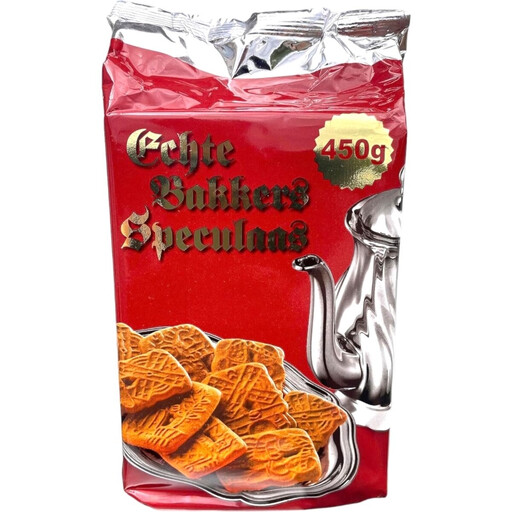 Image unavailable
A 450 g pack to put out for everyone to share. If you want to work out the number per person in advance, check how many biscuits are in the pack, and read the current label for allergen information.
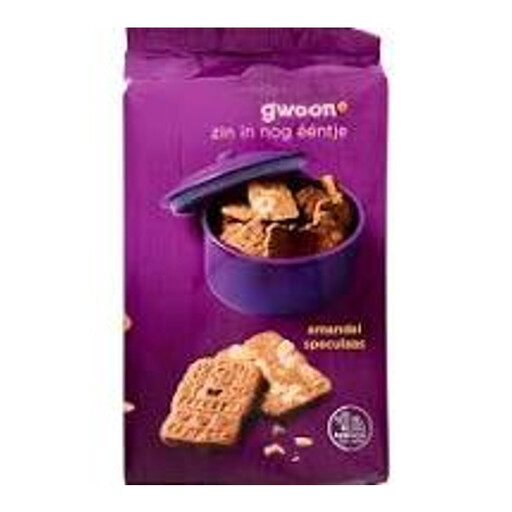 Image unavailable
A 400 g almond variety for anyone who wants to share this type of biscuit. Before buying, check the ingredients and allergens on the current pack, especially if soya is relevant to your group.
 Image unavailable
A smaller pack for coffee with a small group. Jumbo lists around 32 biscuits in this 250 g variety and names wheat and soya as allergens; check the current label.
Start with a 450–600 g pack if several people will be helping themselves at once; 250 g may be enough for a smaller gathering. ALDI Netherlands lists 48 biscuits in its 600 g Biscotto pack, while Jumbo lists around 32 biscuits in the 250 g Lotus Biscoff pack. Choose a size to suit the number of people eating.
Individual sachets work well when handing out biscuits one per person or when you don’t want to open them all at once. Jumbo lists Lotus Biscoff XL as ten sachets of two biscuits each; for a plate that everyone can help themselves to, a pack of loose biscuits offers a different way to share.
No. The Lotus Biscoff product information reviewed states that the biscuits are suitable for vegans, but also lists wheat and soya. If you have an allergy, always check the information on the exact pack.
Compare the nutritional information for similar products per 100 g, then consider how much you’ll actually serve. The Netherlands Nutrition Centre recommends comparing products per 100 g; don’t use the values for plain speculaas biscuits for almond speculaas or chunks.