
If you’re filling a biscuit tin for guests
You’re looking for classic speculaas to share over several cups of coffee or tea. A 600 g pack is a suitable size; seal the biscuits well after opening.


If you’re expecting several guests for coffee or tea, a large pack of classic baker’s speculaas is a sensible choice. If you’re after a caramelised biscuit, look for Biscoff speculoos; filled speculaas is ideal if you want to serve almond and pastry filling. For every variety, check the latest allergen information: the search term ‘digestive’ says nothing about any effect on digestion.
You’re looking for classic speculaas to share over several cups of coffee or tea. A 600 g pack is a suitable size; seal the biscuits well after opening.
You want to check the ingredients and allergens on each pack, perhaps because of wheat, soya, almonds or nuts. To compare nutritional values, figures per 100 g and per serving are useful, provided both are clearly shown on the label.
You might prefer caramelised speculoos with your coffee, or filled speculaas with almond and pastry filling. These varieties serve a different purpose from a tin of plain baker’s speculaas.
First decide whether you mainly want classic biscuits to share, a particular flavour or something that meets a dietary requirement. Then check the packaging of the variety you’re considering.
| What to consider | What to check when buying | Who it matters to |
|---|---|---|
| Enough biscuits to share | Check the weight and storage advice after opening. Albert Heijn, Jumbo and ALDI each list a standard 600 g pack of baker’s speculaas. | If several guests are coming over, I want enough classic biscuits to serve without having to open another pack. Around 40% of consumers give sharing classic speculaas top priority. |
| Ingredients and nutritional values | Read the ingredients and allergen information on the latest packaging. Compare sugars and saturates per 100 g and, if listed, per serving. | If I need to take an allergen into account or compare nutritional values, the label determines which biscuits I can choose. For around 30% of consumers, this check comes first. |
| Flavour and product type | Choose between plain baker’s speculaas, caramelised speculoos and filled speculaas. For a filled variety, check whether it contains almonds. | For a celebration, I’d rather have a distinctly caramelised biscuit or a filled variety than plain biscuits for the tin. For around 30% of consumers, flavour and type are the main considerations. |
A search term or biscuit name doesn’t show that speculaas aids digestion. The Netherlands Food and Consumer Product Safety Authority states that medical claims about food are prohibited.
Use the term to search for a type of biscuit, not as a reason to expect an effect on digestion. Choose based on the product information and when you plan to serve it.
The 250 g Lotus Biscoff variety is described as suitable for vegans, but Joybuy’s product information also lists wheat and soya. Albert Heijn and Jumbo list wheat in their plain baker’s speculaas and warn that it may contain almonds or nuts.
If you have an allergy, check the ingredients and allergen information on the latest packaging of the exact variety you plan to serve.
Product information can change. An ingredients list you read previously is therefore no substitute for checking the pack you actually buy.
Check the latest label before choosing speculaas for someone with an allergy or another specific dietary requirement.
Lotus Bakeries describes Biscoff as a crunchy speculoos biscuit with a caramelised flavour, to enjoy with a drink or use as an ingredient.
Albert Heijn stocks products including 600 g packs of AH Baker’s Speculaas, as well as other types such as mini, almond and filled speculaas.
Jumbo Baker’s Speculaas is a classic 600 g pack for enjoying with coffee or tea.
ALDI lists 600 g packs of Biscotto Baker’s Speculaas as a classic variety, as well as filled speculaas with almond and pastry filling.
Lidl describes its 600 g pack of Baker’s Speculaas as crisp speculaas biscuits available in store.
This selection includes classic speculaas to share, a smaller pack of speculaas, caramelised Biscoff speculoos and almond speculaas. First choose the type that suits your King’s Day plans, then check the label of the variety you’ve chosen.
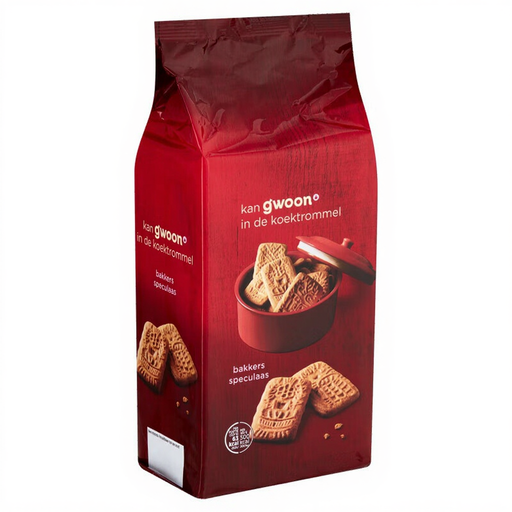 No image available
A classic pack of speculaas to share with others over coffee or tea.
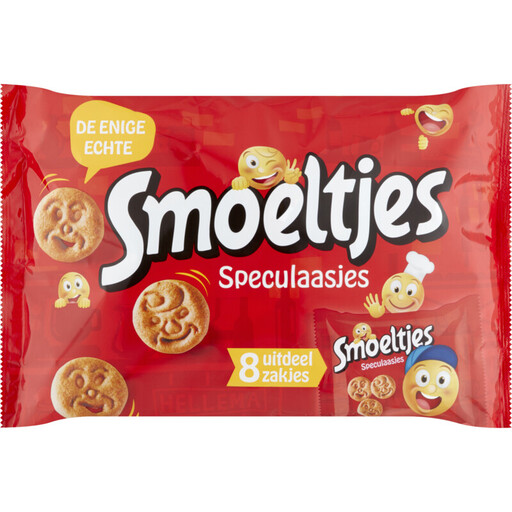 No image available
For anyone who wants to serve speculaas with coffee or tea in a smaller pack than the classic 600 g sizes.
 No image available
For anyone specifically looking for caramelised speculoos with their coffee instead of plain baker’s speculaas.
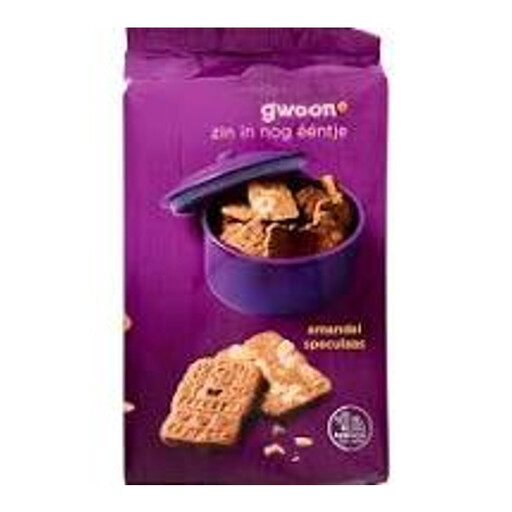 No image available
For anyone who’d prefer an almond variety with coffee or tea instead of classic baker’s speculaas.
The term ‘digestive’ isn’t proof that speculaas aids digestion. Treat it here as a search term or a description of a type of biscuit, not as a claim about its effects; the Netherlands Food and Consumer Product Safety Authority states that medical claims about food are prohibited.
Start with the allergen information on the latest packaging of the specific product. Albert Heijn and Jumbo list wheat and gluten in their plain baker’s speculaas and warn that it may contain almonds or nuts; soya may also be relevant in other varieties.
Not necessarily: vegan doesn’t mean allergen-free. Joybuy’s product information describes the 250 g Lotus Biscoff variety as suitable for vegans, but also lists wheat and soya. So, if you need to avoid either ingredient, read the latest packaging.
Seal speculaas well after opening and follow the storage advice on the packaging. For AH Baker’s Speculaas, Albert Heijn recommends storing it in a closed tin after opening; both Albert Heijn and Jumbo advise keeping it in a dry place.