
Gamers looking to compare fibre content
You’re looking for a biscuit to enjoy while you play and want to take its fibre content into account. Compare the figure per 100 g on the label, rather than relying on the term ‘digestive’.


Choose small plain speculaas biscuits if you want a snack that’s easy to portion out before you start gaming. If fibre is your main priority, compare the nutritional information per 100 g for the exact products you’re considering. A higher fibre figure doesn’t automatically make a biscuit a solution for digestive problems. Filled speculaas calls for a different portion size from a small speculaas biscuit.
You’re looking for a biscuit to enjoy while you play and want to take its fibre content into account. Compare the figure per 100 g on the label, rather than relying on the term ‘digestive’.
You want something crunchy within easy reach, without mindlessly eating your way through a packet. A small speculaas biscuit and a large piece of filled speculaas call for different portion sizes.
If you avoid an allergen or ingredient, the information on the exact packet is what matters. Plain, multigrain and other speculaas varieties don’t necessarily have the same ingredients.
Decide which type of biscuit suits your snack break, then compare the portions, nutritional information and ingredients of the products you’re considering.
A good fit for: a crunchy biscuit you can take a few of before you start.
The trade-off: their small size makes portioning easier, but says nothing by itself about the fibre content of the variety you choose.
A good fit for: consumers who put fibre first and compare products per 100 g.
The trade-off: check the rest of the nutritional information and the ingredients too. A higher fibre content doesn’t determine how a biscuit affects your digestion.
A good fit for: a moment when you’re deliberately choosing a larger piece of filled biscuit.
The trade-off: compare portion weights before comparing the nutritional information with that of a small speculaas biscuit.
| What to consider | What to check when buying | Who it matters to |
|---|---|---|
| Fibre content | Compare dietary fibre per 100 g and read the ingredients for the exact variety. | If fibre is my main reason for choosing between biscuits, I want to be able to see the difference on the label. Around 31% of consumers put this need first. |
| Portion size and nutritional information | Check the weight per portion and the figures per 100 g, especially for filled speculaas. | During a long gaming session, I want to decide how much to serve in advance so the portion stays manageable. This matters most to around 31% of consumers. |
| Allergens and ingredients | Read the current allergen information, including details of possible traces. | If I need to avoid an ingredient, I want to know what’s in this particular packet. This check is the top priority for around 23% of consumers. |
| Biscuit shape and storage | Check how the portions are divided and follow the storage advice after opening. | I want to be able to take a few biscuits and put the rest away after playing. Around 15% of consumers prioritise this convenience. |
A product name or phrase on the front of the packet doesn’t tell you how much fibre the biscuit contains. The Netherlands Nutrition Centre gives an average speculaas biscuit weighing 7 g as containing just 0.2 g of fibre.
Compare dietary fibre per 100 g and consider the biscuit as part of your overall diet, not as a remedy for digestive problems.
The portions used in the Netherlands Nutrition Centre’s figures weigh 40 g for filled speculaas and 7 g for a speculaas biscuit. So, figures per piece aren’t necessarily comparisons between equal quantities.
Compare products per 100 g and consider how much you actually want to eat. You could set your portion aside before you start gaming.
Ingredients and allergens can vary between products, and product information can change. This is especially important if you need to avoid an ingredient.
Check the ingredients, allergens and nutritional information on the packet you’re buying.
Albert Heijn’s product pages list 2 g of fibre per 100 g for the Hellema multigrain variety mentioned, compared with 1.5 g for AH Bakkers speculaas and 6.4 g for the Céréal speculaas mentioned. The biscuit type on the label doesn’t replace those figures.
Compare the same nutritional value per 100 g for the varieties available to buy, and check their ingredients too.
Lotus Bakeries describes Biscoff speculoos biscuits as crunchy and caramelised.
AH Bakkers speculaas is a plain speculaas variety for which Albert Heijn provides nutritional information per 100 g.
The Céréal speculaas described on Albert Heijn’s product page is a variety you can compare for fibre content.
The Hellema Speculaas Delftsblauw listed by Albert Heijn is a multigrain variety. The information applies to that variety, not every Hellema biscuit.
Jumbo has product pages for Bakkers Speculaas and Speculaasbrokken: two different biscuit shapes to consider when choosing your portion.
These biscuits and baker’s speculaas are worth considering if you’re looking for plain speculaas or speculoos to snack on while gaming. Always check the current packet for fibre and allergen information; product names and pack weights alone aren’t enough.
 Image unavailable
An option if you want to set aside a few speculaas biscuits before you start gaming.
Check the nutritional information per 100 g and the allergens on the packet before choosing this variety for its fibre content or ingredients.
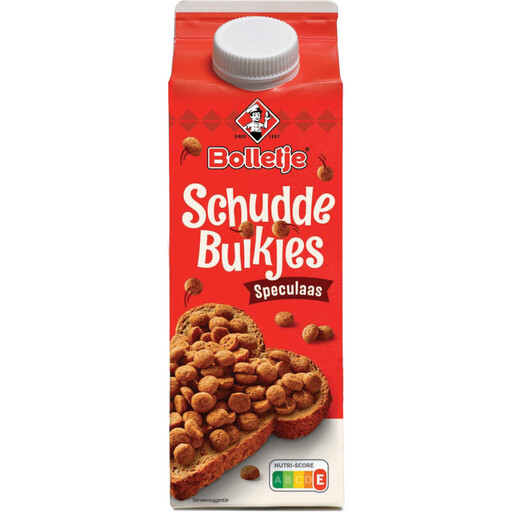 Image unavailable
A speculaas option if you want to serve yourself a portion of biscuits for your gaming session.
Check the packet for your portion weight, the nutritional information per 100 g and the allergen information.
 Image unavailable
For anyone looking for Biscoff speculoos biscuits as a snack and wanting to choose a portion in advance.
Check the current ingredients and allergen information on the packet, especially if you need to avoid soya.
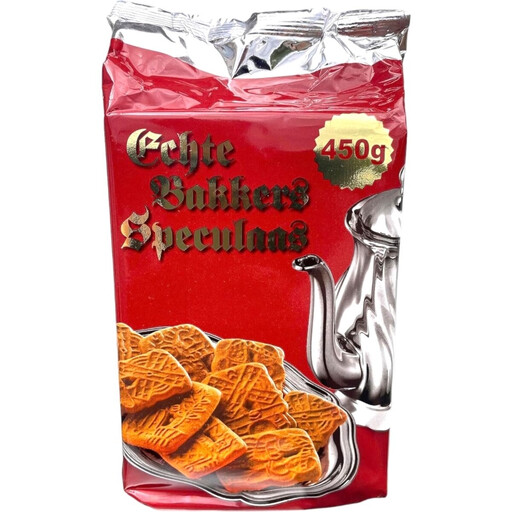 Image unavailable
A baker’s speculaas for anyone looking for a plain variety and wanting to decide how much to have.
Only compare fibre figures when it’s clear they’re given per 100 g. If you have an allergy, read the current packet too.
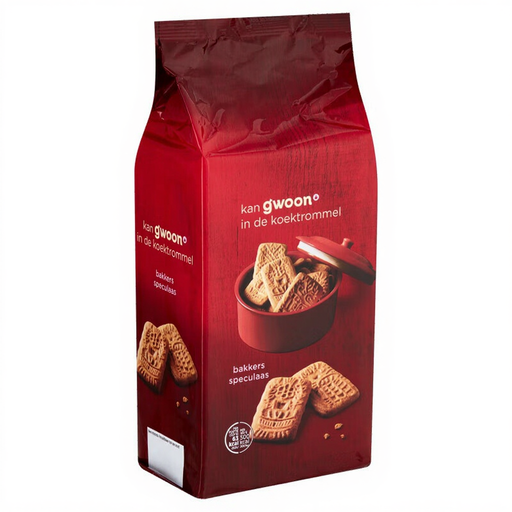 Image unavailable
A plain baker’s speculaas to consider if you want to set aside a portion before you start playing.
Use the nutritional information per 100 g to compare products and check the allergens on the packet.
No. The term doesn’t tell you how much fibre a biscuit contains or how it affects your digestion. The Netherlands Nutrition Centre lists 0.2 g of fibre for an average speculaas biscuit weighing 7 g. Compare other varieties using their nutritional information per 100 g.
It’s easier to set aside small plain speculaas biscuits one at a time, whereas with filled speculaas you’ll often choose a larger piece. The Netherlands Nutrition Centre uses 7 g for an average speculaas biscuit and 40 g for a large piece of filled speculaas. Compare nutritional information on the same weight basis.
Yes. If you have an allergy or need to avoid an ingredient, check the exact packet. According to the Netherlands Food and Consumer Product Safety Authority, allergen information for pre-packed foods must appear on the label. Ingredients vary between speculaas varieties.
Follow the storage advice on the packet you bought. Albert Heijn recommends keeping AH Bakkers speculaas in a cool, dark and dry place and storing it in a sealed tin after opening. Instructions may vary by product.
Use a product page to help you make your choice, but check the packet of the exact variety when you buy it. Albert Heijn notes that ingredients, nutritional values and allergen information can change when products are updated.