
People organising a coffee break
You’re looking for a biscuit to serve with coffee or tea and want to choose between the distinctive flavour of speculaas or speculoos and a milder digestive.


Choose speculaas if you want a spiced or caramelised biscuit to go with your coffee. Consider a plain or wholemeal digestive if you’re mainly comparing fibre and sugar per 100 g; values vary by product. For a mixed group, check the allergens and how the biscuits are packaged on the product you choose.
You’re looking for a biscuit to serve with coffee or tea and want to choose between the distinctive flavour of speculaas or speculoos and a milder digestive.
You organise meetings regularly and want to compare wholemeal flour, fibre and sugar per 100 g. Compare the specific products rather than relying on the biscuit names alone.
You’re putting out biscuits for colleagues with different dietary requirements. The ingredients and allergen information on each product you choose matters, including for products labelled gluten-free.
First, decide which flavour and serving format will suit the meeting. Then compare the nutritional values of the specific biscuits and check the allergens for each variety before serving.
| What to consider | What to check when buying | Who should give this more weight? |
|---|---|---|
| Flavour with coffee or tea | Choose between spiced speculaas, caramelised speculoos and plain digestive biscuits; also check whether you’re picking a chocolate-coated variety. | I want to serve a biscuit with a distinctive flavour alongside coffee. For around 27% of consumers, flavour preference is the deciding factor. |
| Nutritional values | Compare fibre and sugar per 100 g on the products you’ve chosen; for a wholemeal variety, check the ingredients too. | I want to compare the nutritional values of the biscuits at a regular meeting. Around 33% of consumers put this comparison first. |
| Quantity and serving | Check the pack weight, number of biscuits or portions, and whether individually wrapped portions are preferred. | When buying for several colleagues, I want to know how many I can put out and how to serve them. For around 27% of consumers, this is the first consideration. |
| Allergens and dietary requirements | Read the current ingredients and allergen information; check the gluten-free claim on the specific product. | I need to be able to identify a suitable option for anyone with a known dietary requirement or allergy. For around 13% of consumers, suitability comes first. |
Product information shows why the variety matters. Albert Heijn lists 1.5 g of fibre and 33 g of sugar per 100 g for AH Bakkers speculaas, compared with 3.2 g of fibre and 16 g of sugar per 100 g for AH Digestive. For AH Digestive wholemeal, Albert Heijn lists 6 g of fibre per 100 g and 37% wholemeal wheat flour. These figures apply to these products, not to all speculaas or digestive biscuits.
The standard digestive biscuits reviewed contain wheat or may list other cereals containing gluten. A digestive labelled gluten-free may still contain other allergens: Albert Heijn lists soya for Schär Digestive Landtaler and notes that it may contain egg and lupin.
Check which ingredients each person needs to avoid, and read the current packaging for the option you’ve chosen before serving.
Plain digestive biscuits, wholemeal digestives and speculaas contain different amounts of fibre and sugar in the examples reviewed. If you choose a chocolate variety, compare the whole product again.
Put the nutritional information for the products you’re considering side by side and compare the same values per 100 g.
Pack weight and portion size are not the same. Individually wrapped portions also affect how you can serve the biscuits during the meeting.
Decide how many biscuits you want to offer, then check the number of biscuits or portions on the pack.
Ingredients and allergen information may change between batches or packs. This is especially important when your choice depends on a specific dietary requirement or allergy.
Check the physical packaging again just before putting the biscuits out.
The AH range includes examples of speculaas, plain digestive biscuits and wholemeal digestives that you can compare by ingredients and nutritional values.
A speculoos option if you’re looking for a caramelised flavour to enjoy with coffee.
A brand to consider if you want to compare plain digestive biscuits with other options for your meeting.
The Digestive Landtaler reviewed is a separate option if you need a biscuit explicitly labelled gluten-free.
These Joybuy products include speculoos, plain digestive biscuits and two chocolate digestives. For a basic comparison, focus on the speculoos and plain digestive; with the chocolate varieties, compare the whole biscuit, including its chocolate coating.
 Image unavailable
For a coffee break where you want to serve speculoos with a caramelised flavour.
250 g pack. If you’re planning portions, check the number of biscuits and how they’re packaged; also read the current ingredients and allergen information.
 Image unavailable
A plain digestive for anyone who doesn’t want to include a chocolate variety in the basic comparison.
400 g pack. Check the number of biscuits for your meeting and read the current nutritional and allergen information on the pack.
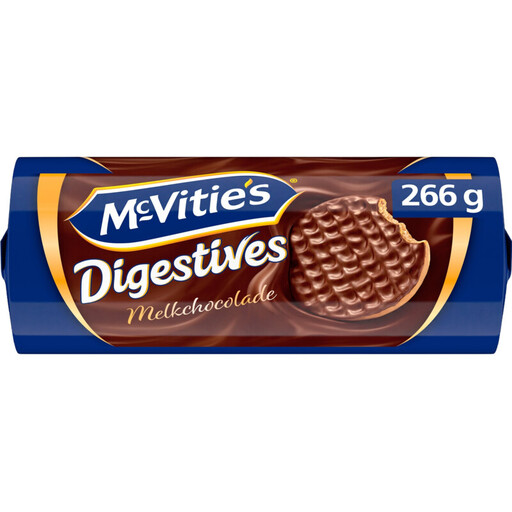 Image unavailable
For a meeting where you’d like to offer a digestive covered in milk chocolate rather than a plain biscuit.
266 g pack. Don’t compare the nutritional values of this chocolate variety as if they were those of a plain digestive; also check the number of biscuits and the allergens on the pack.
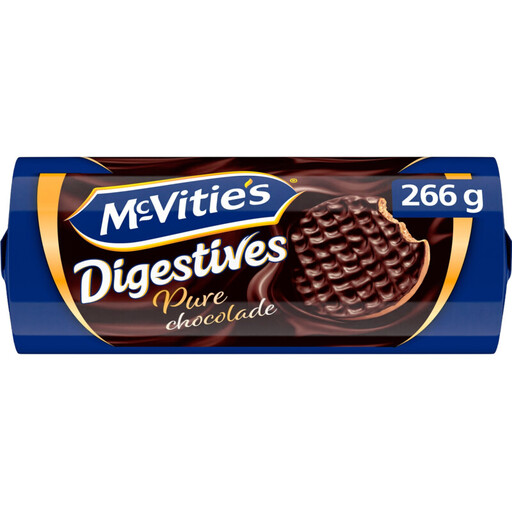 Image unavailable
For anyone who wants to serve a digestive covered in dark chocolate at their meeting.
266 g pack. The nutritional values for this variety are not the same as those for a plain digestive; check the portion and allergen information on the pack before serving.
Values vary by product and variety, so the biscuit’s name alone doesn’t tell you everything. Albert Heijn lists 6 g of fibre per 100 g for AH Digestive wholemeal, compared with 1.5 g for AH Bakkers speculaas. According to Albert Heijn, plain AH Digestive contains 16 g of sugar per 100 g, compared with 33 g for that speculaas. Compare the current nutritional information on the packs you plan to buy.
Don’t choose based on the name speculaas or digestive. Check whether the specific pack is labelled gluten-free and whether the other ingredients are suitable. The standard products reviewed contain wheat or may list other cereals containing gluten. Albert Heijn labels Schär Digestive Landtaler gluten-free, but also lists soya and notes that it may contain egg and lupin.
Follow the storage instructions on the pack you’ve chosen and reseal any opened biscuits afterwards. For the AH speculaas and digestives reviewed, Albert Heijn recommends storing them in a cool, dark and dry place and keeping them in a sealed tin once opened. For the McVitie's product reviewed, it recommends storing it in a dry and preferably cool place.
At the very least, check the ingredients, allergens, net quantity and nutritional values on the pack you’ve chosen. Your Europe states that prepacked foods in the EU must include details such as this information and a best-before or use-by date; allergens must be highlighted in the ingredients list. Also check any storage instructions if you’re buying the biscuits in advance.