Choose speculaas if you want to serve a familiar, spiced biscuit alongside oliebollen. A wholemeal digestive is another option if you’re comparing ingredients and fibre; the name doesn’t mean it has a beneficial effect on digestion. If you’d also like to offer a gluten-free option, check for other allergens and consider how you’ll serve the biscuits. For loose biscuits or crumbs, allergen information must be available before purchase, according to the Netherlands Food and Consumer Product Safety Authority (NVWA).
Which option is right for you?
For stallholders looking for a classic biscuit
You want to offer a spiced biscuit alongside oliebollen, without having to prepare it first. Check the size, packaging and allergens of the specific product. Albert Heijn describes its bakers’ speculaas as a biscuit flavoured with speculaas spices; Lotus Bakeries describes Biscoff as a caramelised biscuit.
For stallholders comparing the fibre content of digestives
You’re looking for a wheat biscuit made with wholemeal ingredients and want to compare the nutritional information. Check the fibre per 100 g and the ingredients list, but don’t take the name digestive as a promise about digestion.
For stallholders who want to offer a gluten-free option
You want to be able to offer a separate option to customers who specifically ask for a gluten-free product. Also check the other allergens on the current packaging, and consider how you’ll manage cross-contamination and customer information when serving loose biscuits.
What should you look for when buying?
First decide which type of biscuit you want to serve. Then compare the nutritional information and allergens of specific products, and only then choose packaging that suits the way you’ll serve them.
| What to consider |
What should you check? |
Who is this important for? |
| Speculaas flavour |
Check the product type, spices and size of the biscuit you’ll be serving. |
I want to serve a familiar, spiced biscuit alongside oliebollen. For around 31% of consumers, this classic biscuit choice is the deciding factor. |
| Fibre in digestives |
Compare the ingredients and fibre per 100 g on the same basis; don’t treat digestive as a claim about digestion. |
If I’m offering a biscuit instead of speculaas, I want to be able to compare the nutritional information. Around 31% of consumers prioritise this focus on fibre. |
| Gluten-free option |
Check the gluten-free label, other allergens and your process for serving loose biscuits. |
I want to offer a separate option to customers asking for gluten-free products, without overlooking other allergens. This is a priority for around 23% of consumers. |
| Packaging and serving |
Compare the pack weight and portion sizes; decide whether you’ll offer the biscuits sealed or unpackaged. |
I want to keep stock and serving biscuits straightforward, especially if I open the packs. For around 15% of consumers, this practical consideration matters most. |
Pitfalls when choosing and serving
-
Presenting digestive as a claim about digestion
The product name doesn’t prove that it affects digestion. Jumbo states that McVitie’s Digestives Pure Chocolade contains no ingredients that aid digestion.
Describe the product you choose based on its own ingredients, nutritional information and allergens, not on a promise about digestion.
-
Confusing gluten-free with allergen-free
Jumbo states that Schär Digestive Landtaler contains soya and may contain lupin and eggs. The gluten-free label doesn’t change that.
Check the current packaging for each product and, when serving loose biscuits, also take care to prevent cross-contamination with other biscuits.
-
Opening biscuits without a plan for allergen information
Loose biscuits and crumbs used as a topping are covered by the information requirements for unpackaged food. According to the NVWA, information about any allergens present must be available before purchase.
Keep the latest information for each product you use and make sure customers can access it before they buy.
Brands to use as a guide
These examples show the differences between speculaas, standard digestives and a gluten-free option. Check the current packaging of the product you’ll actually be serving.
Lotus Biscoff
Lotus Bakeries describes Biscoff as a crunchy biscuit with a caramelised flavour, often enjoyed with coffee.
- A different flavour profile from speculaas with its distinctive speculaas spices.
- For use at your stall, check the allergens and size on the pack you choose.
Albert Heijn
AH Bakkers speculaas is an example of classic speculaas flavoured with speculaas spices, in a 600 g pack.
- A specific product you can use as a benchmark for a spiced speculaas option.
- According to the product information, it contains wheat and may contain almonds; check the current label.
Jumbo
According to Jumbo, Jumbo Digestive Volkoren contains wholemeal wheat flour, wheat flour and wheat flakes. The nutritional information lists 5.8 g of fibre per 100 g.
- The ingredients and fibre content give you specific points to compare.
- The product contains wheat and gluten; also check the other allergen information.
McVitie’s
McVitie’s Digestives Original is a 400 g wheat biscuit. The Dutch product information at Jumbo lists 16% wholemeal wheat flour and 3.7 g of fibre per 100 g.
- A specific example for checking the ingredients and nutritional information of a standard digestive.
- The Original contains wheat and may contain milk. The name digestive doesn’t prove that it aids digestion.
Schär
Jumbo describes Schär Digestive Landtaler as a gluten-free product, in a pack of 3 × 50 g.
- A separate option if you want to offer a gluten-free biscuit.
- The product contains soya and may contain lupin and eggs; gluten-free doesn’t mean free from all allergens.
Biscuits for different preferences
These products offer a choice of classic speculaas and a standard digestive. For the speculaas options, pay particular attention to the size, pack weight and flavour; for a gluten-free option, you’ll need to assess a separate suitable product.
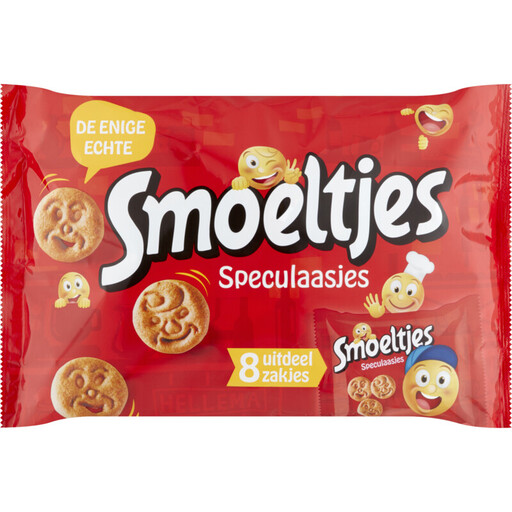 Image unavailable
Hellema Smoeltjes Speculaas, 8 stuks, 200 g
A speculaas option if you want to serve a smaller biscuit alongside oliebollen.
The product name lists 8 biscuits and a pack weight of 200 g. Check the current allergen information for the way you plan to serve them.
View at Joybuy
 Image unavailable
McVities Digestive Original, 400 g
A standard digestive if you want to offer a wheat biscuit alongside speculaas.
For McVitie’s Digestives Original, Jumbo lists 16% wholemeal wheat flour and 3.7 g of fibre per 100 g. The product contains wheat and may contain milk; check the label on the pack you’re using.
View at Joybuy
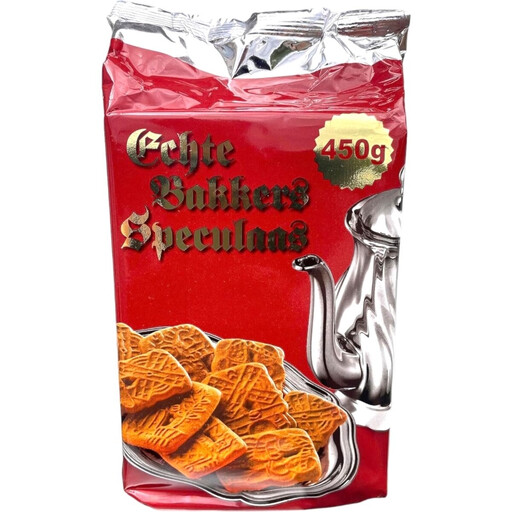 Image unavailable
De Ruiter Bakers Speculaas, 450 g
A bakers’ speculaas to consider if you want to serve a classic speculaas option.
The product name lists a pack size of 450 g. Check the size of the biscuits and the current allergen information before serving them loose.
View at Joybuy
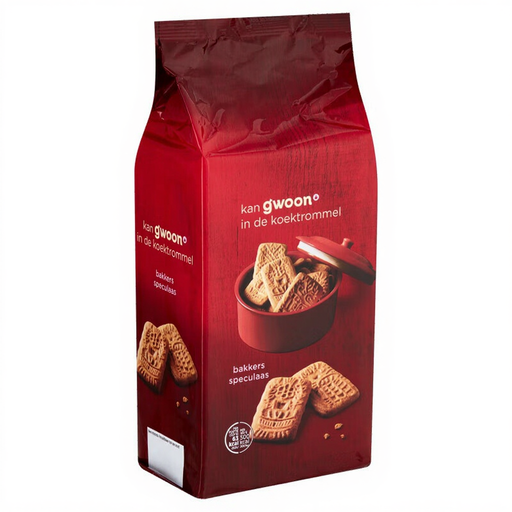 Image unavailable
g’woon Bakers Speculaas, 600 g
A bakers’ speculaas if you’re looking for a 600 g pack for a classic biscuit option.
Compare the pack and biscuit size with the way you plan to serve them. If selling them loose, keep the allergen information for the product you’re using available.
View at Joybuy
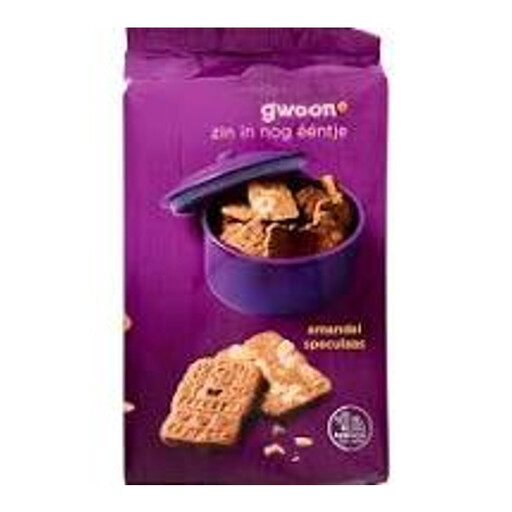 Image unavailable
g’woon Almond Speculaas, 400 g
A separate speculaas option to consider if you’d like to offer an almond variety as well as standard speculaas.
The product name lists almonds and a pack size of 400 g. Check the full allergen information on the current label, and make it clear which variety you’re serving if offering them loose.
View at Joybuy
Frequently asked questions
Do I need to provide allergen information for loose biscuits or biscuit crumbs?
Yes. According to the NVWA, information about any allergens present in unpackaged food must be available before purchase. Use the current information for every biscuit product you serve loose or add as a topping; for cereals containing gluten and nuts, the specific type also matters.
Does digestive mean that a biscuit aids digestion?
No, you can’t draw that conclusion from the name. Jumbo explicitly states that McVitie’s Digestives Pure Chocolade contains no ingredients that aid digestion. Compare digestives based on the ingredients, nutritional information and allergens of the variety you plan to buy.
Is a gluten-free digestive also free from other allergens?
Not automatically. Jumbo’s product information for Schär Digestive Landtaler lists soya and the possible presence of lupin and eggs. Check the current packaging, and make sure the information for this biscuit isn’t confused with that for other biscuits at your stall.
Do food safety rules also apply to ready-made biscuits you’ve bought in?
Yes. The NVWA requires market and event sellers to store and sell food safely and hygienically. So think about how you’ll store the packs and serve the biscuits; if you’re serving them unpackaged, allergen information must also be available to customers.


