
Anyone hosting guests at Christmas
You may want to serve speculaas with coffee or tea and decide in advance how many biscuits to put out. A sharing platter and individually prepared portions call for different types of packaging.


When choosing speculaas for Christmas, start with how you plan to serve it: a large pack is ideal for a sharing platter, while smaller packs make it easier to prepare individual portions in advance. Then compare the nutritional information per 100 g and check the allergens on the exact pack. Baking your own gives you control over the recipe and portion size, but it doesn’t automatically change the biscuits’ nutritional profile.
You may want to serve speculaas with coffee or tea and decide in advance how many biscuits to put out. A sharing platter and individually prepared portions call for different types of packaging.
You may want to compare sugars, saturated fat, salt and fibre on a like-for-like basis. The Netherlands Nutrition Centre recommends using the values per 100 g, rather than relying on a product name or wording on the pack alone.
You need to know which ingredients and allergens are in the variety you choose. The speculaas products described here differ in their declarations for soya, almonds and nuts, among other things, so always check the packaging of the product you’re serving.
First decide whether you want to fill a sharing platter, prepare smaller portions or bake your own. Then use the label or, when baking at home, the recipe to assess the ingredients and whether the biscuits are suitable for your guests.
Ideal for: a sharing platter for visitors, such as the AH and Jumbo Bakers’ Speculaas packs described here.
Bear in mind: you’ll need to portion the biscuits yourself and follow the storage instructions once the pack is open.
Ideal for: biscuits you want to set out in advance for each coffee break or guest; Lotus Biscoff lists various smaller pack sizes.
Bear in mind: a smaller pack doesn’t change the nutritional values per 100 g of the biscuits you choose.
Ideal for: a baking session where you choose the recipe and the size of each piece.
Bear in mind: ingredients and portion size still matter. A recipe made with butter and sugar isn’t automatically lower in sugar or saturated fat.
| What to consider | What to check when buying | Who is this most important for? |
|---|---|---|
| Nutritional value and portions | Compare sugars, saturated fat, salt and fibre per 100 g; also consider how much you plan to serve. | If I’m watching what’s in my food, I don’t want to rely only on the word ‘digestive’ or the size of a biscuit. For around 38% of consumers, nutritional value and portion size are the top priorities. |
| Allergens and dietary requirements | Read the ingredients and the ‘contains’ and ‘may contain’ declarations on the exact pack. | If a guest needs to avoid something, I need to know whether this particular speculaas is suitable to serve. For around 25% of consumers, checking this comes first. |
| Quantity and storage | Check the net weight, best-before date and storage instructions once opened. | For a Christmas visit, I want to have enough biscuits without losing track of an opened pack. For around 25% of consumers, stock and storage are the highest priority. |
| Serving style and taste | Choose the biscuit shape and packaging you prefer; when comparing nutritional value, compare similar varieties. | With coffee or on a Christmas table, I mainly want to choose a shape that’s easy to serve. For around 12% of consumers, how the biscuits are served is the main consideration. |
A name or description doesn’t tell you how much sugar, saturated fat or fibre the speculaas you’ve chosen contains. The Netherlands Nutrition Centre recommends comparing products per 100 g.
Compare the nutritional tables for similar varieties of speculaas, then decide separately how large your portions will be.
A label such as vegan or lactose-free doesn’t automatically mean a product is free from wheat, soya, almonds or other nuts. Information can also vary between varieties.
For every guest with a relevant allergy, check the ingredients and allergen declarations on the pack you’ll actually be serving.
A large pack can be handy when you have visitors, but storage conditions and the printed best-before date may no longer apply in the same way once it’s opened. The Netherlands Nutrition Centre points out that a best-before date often doesn’t continue to apply unchanged after opening.
Choose an amount that suits your serving plans and follow the storage instructions for an opened pack.
The details below apply to the varieties listed, not to every biscuit from these brands. When buying, always compare the nutritional information and allergens on the exact pack.
Lotus Biscoff offers Original Speculoos in a range of formats, including smaller packs and multipacks for individual servings.
AH Bakers’ Speculaas is a classic variety in a 600 g pack, ideal for a sharing platter or biscuit tin.
Jumbo Bakers’ Speculaas comes in a 600 g pack to share with coffee or tea.
These Joybuy products are speculaas in a range of pack sizes, from a pack of eight biscuits to larger packs for sharing with coffee or tea. Choose a shape to suit your serving plans and, to compare nutritional values, check the information per 100 g on the packaging.
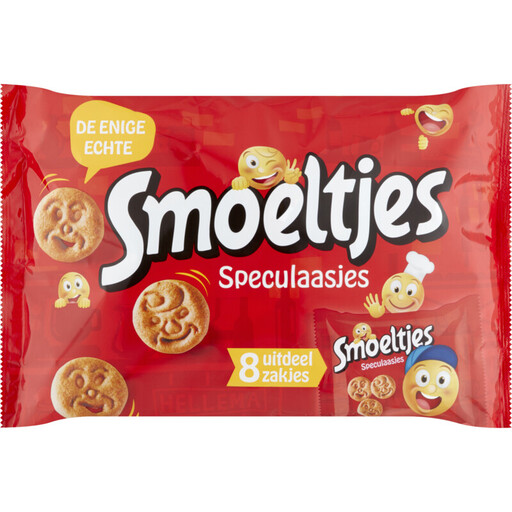 Image unavailable
A pack of biscuits to set out for a coffee or tea break.
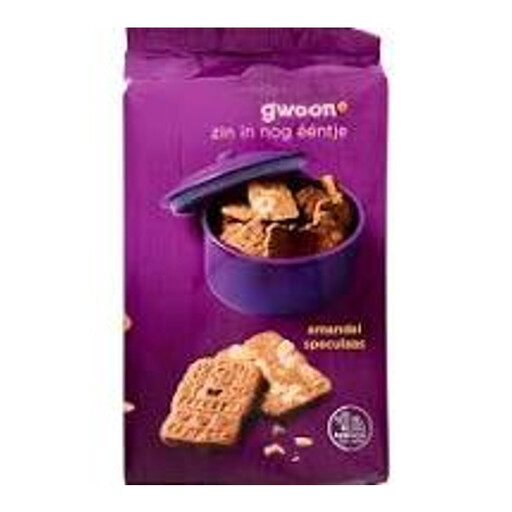 Image unavailable
An almond variety to consider if you’d like to share speculaas with coffee or tea.
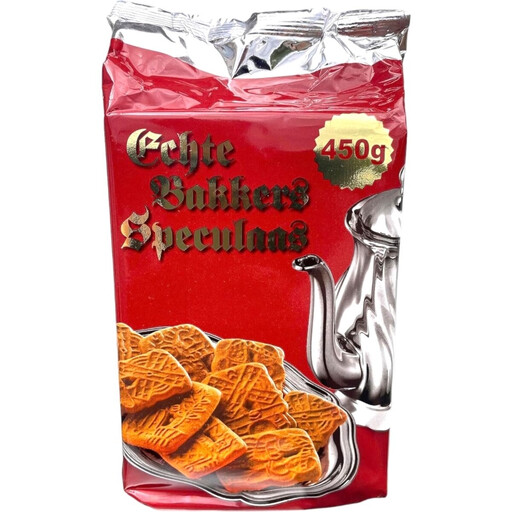 Image unavailable
A pack of bakers’ speculaas to consider for a sharing platter with coffee or tea.
No. The name or the way it’s served doesn’t, by itself, tell you anything about a fibre claim or its effect on digestion. The Netherlands Nutrition Centre lists 0,2 g of fibre for a 7 g speculaas biscuit. For another variety, read the nutritional information on its own packaging and compare per 100 g.
Check the ingredients and allergens on the exact pack you’re serving. Lotus Biscoff Original Speculoos lists gluten and soya; the AH and Jumbo varieties described here list wheat and gluten and may contain almonds or nuts. Don’t rely on a label such as vegan or lactose-free alone.
Follow the storage instructions on the pack you’ve opened. For the Bakers’ Speculaas described here, Albert Heijn recommends storing it in a sealed tin after opening; Jumbo recommends keeping its variety in a cool, dry place. According to the Netherlands Nutrition Centre, the printed best-before date often no longer applies in the same way once a pack is opened.