
Vandaag of morgen in huis

Kwaliteit gegarandeerd

Welkomstaanbiedingen ontgrendelen: GRATIS bezorging | Tot 80% korting | Gratis 30 dagen JoyPlus-proefperiode
Download de app
The soda aisle isn't what it used to be. Alongside the familiar brands, you'll increasingly find a world of specialty sodas from every corner of the globe. From Japanese Ramune to Mexican cola, the selection is vast. But when you order soda online, you risk disappointment. An exotic label doesn't guarantee a unique taste, and the fine print can hide unexpected details.
As a Joybuy Product Recommendation Officer, I'm here to help you see through the marketing hype. We'll look at the pitfalls that cost you money and the specifications that truly matter. This way, you can find the international soda that will genuinely delight your taste buds, with no unpleasant surprises.
Before you fill your digital shopping cart, it's wise to be aware of a few common mistakes.
To avoid these pitfalls, it's smart to pay attention to a few key details. These specifications will help you make an informed choice.
The ingredients list is your most important tool. Look beyond the marketing terms on the front label.
Not every soda is just sweet and fizzy. The world of international sodas features diverse flavor profiles:
The packaging is sometimes part of the experience itself. A famous example is Japanese soda like Ramune. Opening these bottles by pushing the glass marble down is a ritual in itself. This is more than a gimmick; it's an authentic piece of Japanese culture. When buying Ramune, pay attention to the instructions, as it requires a specific technique. Glass bottles are often associated with better flavor preservation than plastic.
To get you started, we've highlighted a few popular choices that suit different preferences.
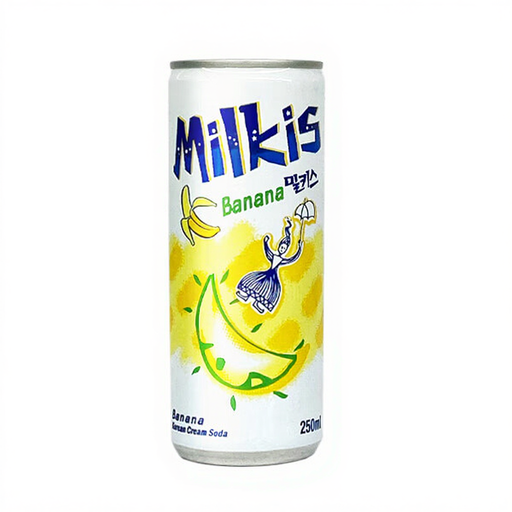
Why This Fits Their Persona: Perfect for those who want something truly different from a standard soda. The combination of a creamy milk base, carbonation, and banana flavor is a unique Korean sensation you won't easily find in your local supermarket.
This isn't a standard fruit flavor with a trendy label. The ingredients, including skim milk powder and soybean polysaccharides, confirm the unique, creamy texture it promises.
Unique combination of creamy and carbonated. An authentically popular drink from South Korea.
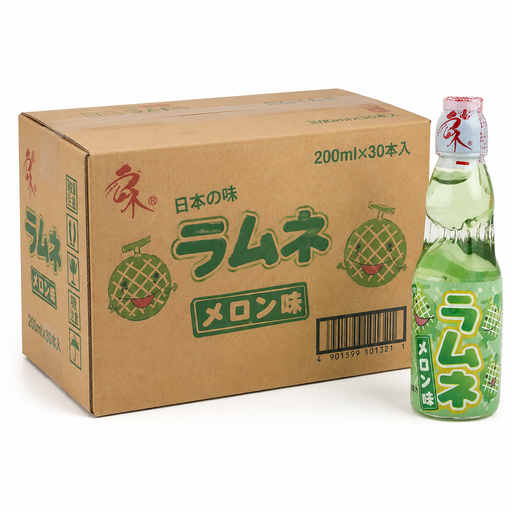
Why This Fits Their Persona: For anyone fascinated by Japan, Ramune is a must-try. The iconic marble-stoppered bottle, often seen in anime and manga, makes drinking it a fun experience. The melon flavor is a classic in Japan.
The unique Codd-neck bottle isn't a marketing gimmick but an integral part of the authentic Ramune experience. You're not just buying a drink, but a piece of Japanese culture.
Iconic glass bottle with a marble stopper. Refreshing and popular melon flavor.
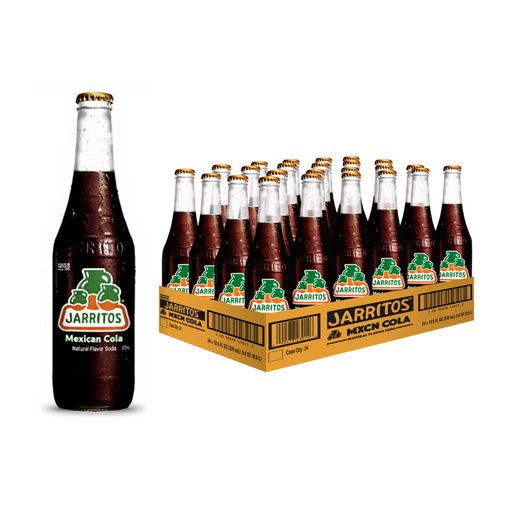
Why This Fits Their Persona: For the cola lover looking for a more authentic taste. Jarritos is made with cane sugar instead of the high-fructose corn syrup used in many other sodas, resulting in a richer, less sharp flavor.
This product is transparent about its key differentiator. The ingredients list explicitly mentions "cane sugar", so you know exactly why you're buying a different type of cola.
Sweetened with 100% natural cane sugar. Served in a classic glass bottle for optimal flavor preservation.
We've compiled a complete, up-to-date list of products that meet these selection criteria and comply with current regulations.
Opening a Ramune bottle is easy if you follow the steps. First, remove the plastic seal from the cap. Inside the cap, you'll find a plastic plunger. Place it on top of the glass marble and press down firmly and steadily until the marble drops into the bottle. Hold on for a moment, as the pressure might cause the soda to fizz over.
While there's a lot of variety, there are some general differences. Japanese sodas often focus on subtle, natural flavors like melon, lychee, and yuzu, with an emphasis on the overall experience (as with Ramune). Korean sodas can be more experimental, featuring unique combinations like the creamy, carbonated Milkis line or drinks with aloe vera pulp.
Yes, in many cases, it is. If you've found a favorite flavor or are planning a party, buying a tray or case (a bulk pack) is often cheaper per bottle or can. Many of the specialty sodas available online come in bulk packaging, which is convenient for stocking up.
