
Vandaag of morgen in huis

Kwaliteit gegarandeerd

Welkomstaanbiedingen ontgrendelen: GRATIS bezorging | Tot 80% korting | Gratis 30 dagen JoyPlus-proefperiode
Download de app
Are you looking for specialty chocolate that you won't find at your local supermarket? The online selection is vast, from Japanese KitKats to bars with surprising flavours. But how do you know if you're getting your money's worth? Many foodies and snack lovers fall into the same traps: paying a high price for a bar that isn't unique, or an exotic flavour that turns out to be mostly artificial and sweet.
As a Joybuy Product Recommendation Officer, I'll help you see past the marketing fluff. We'll discuss the common pitfalls and give you practical tools to make the right choice when you're planning to order specialty chocolate or other international sweets online.
Before you fill your shopping cart, it's wise to be aware of a few common disappointments.
You don't need to be a chocolate connoisseur to avoid these traps. By paying attention to a few objective specifications, you can make much better choices.
The ingredient list is your most important tool. The order is crucial: whatever is listed first is the most prominent ingredient.
Specialty chocolate is more than just a bar. The world of buying snacks is broad and full of variety. Consider:
By looking beyond standard chocolate bars, you'll often discover the most unique chocolate flavours and experiences.
To get you started, we've matched some popular choices to different preferences. These products were selected based on their product specifications and what they have to offer.
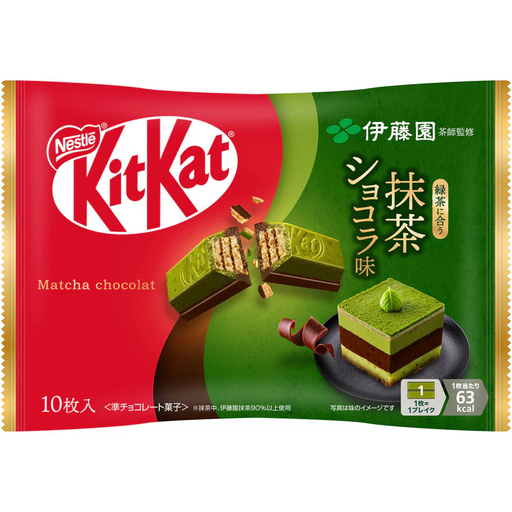
Why This Fits Their Persona: Perfect for those who want to experience the authentic taste of Japanese KitKat. This version combines the famous crispy wafer with white chocolate and real matcha, delivering a subtle, slightly bitter tea flavour that isn't overly sweet.
This product avoids the 'disappointing flavour' trap. The ingredient list explicitly mentions matcha powder, ensuring an authentic taste rather than a vague aroma.
The balance between sweet white chocolate and the earthy flavour of matcha. The individual packaging makes it ideal for sharing or as a quick snack.
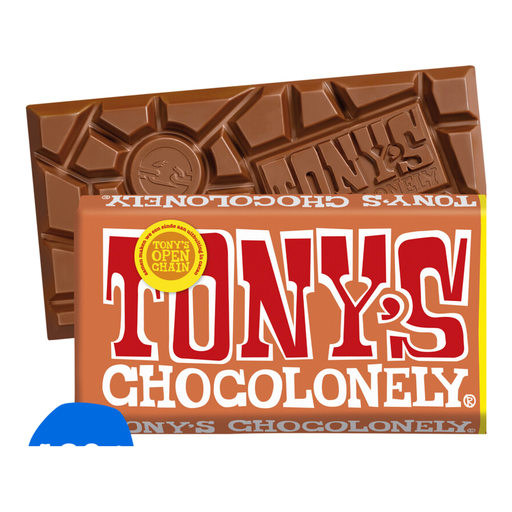
Why This Fits Their Persona: For those who love a classic but perfectly executed flavour combination and care about sourcing. The Tony's Chocolonely caramel sea salt is a well-known favourite with a clear mission.
This brand avoids the 'premium illusion'. They don't use vague marketing terms but are transparent about their ingredients and their mission for slave-free chocolate.
A reliable and beloved flavour: creamy milk chocolate, crunchy caramel, and a hint of sea salt. The unevenly divided blocks remind you of their mission with every bite.
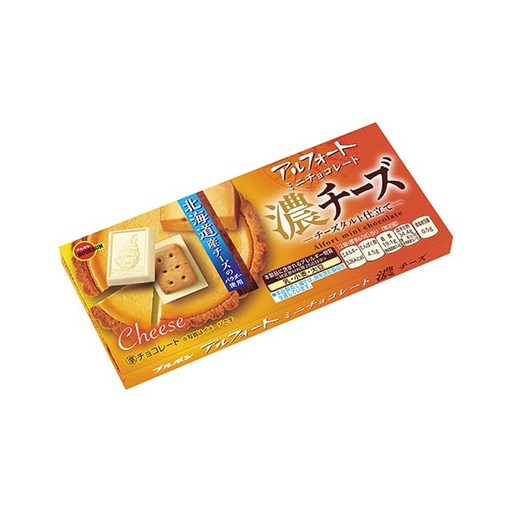
Why This Fits Their Persona: For the snack lover who thinks they've tried it all. These Japanese biscuits combine a whole-wheat biscuit with a layer of rich, cheese-flavoured chocolate. A bold, yet surprisingly delicious combination of sweet and savoury.
This is not a gimmick. The combination of chocolate and cheese is unusual in the West, but it's a popular snack in Japan. The flavour is balanced and not artificial.
A truly unique chocolate flavour. The savoury, salty taste of the cheese cream cuts through the sweetness of the chocolate, creating a complex and satisfying snack.
We've compiled a complete, up-to-date list of products that meet these selection criteria. Discover even more unique flavours and surprising chocolates.
Most chocolate is best stored in a cool, dry, and dark place, ideally between 15 and 18 degrees Celsius (60-65°F). Do not store it in the refrigerator; the humidity can cause a white film (sugar or fat bloom), and the chocolate can absorb odours from other products. A pantry is often a perfect spot.
The biggest difference lies in the variety and flavours. In Japan, KitKat is a platform for endless flavour experiments, often based on local specialties like matcha, sake, sweet potato, or wasabi. Western versions are generally limited to the classic milk, dark, and white chocolate. The texture and sweetness can also differ, with Japanese varieties often being more subtle in flavour.
Not necessarily. A high price is no guarantee of quality. As mentioned earlier, it's more important to look at the ingredient list and cacao percentage than to rely blindly on the price or fancy packaging. For example, a bar from a brand like Tony's Chocolonely offers a great balance of price, quality, and an ethical mission, whereas an unknown "luxury" brand can sometimes be a letdown. Use the specifications as your guide, not the price tag.
