
Vandaag of morgen in huis

Kwaliteit gegarandeerd

Welkomstaanbiedingen ontgrendelen: GRATIS bezorging | Tot 80% korting | Gratis 30 dagen JoyPlus-proefperiode
Download de app
Buying speciality beer may seem straightforward, but the wide range of options can make comparing products difficult. Are you looking for a powerful tripel beer, a refreshing Belgian beer, a fruity kriek or perhaps an alcohol-free option? Attractive labels and well-known brewery names are not enough. Alcohol content, volume, packaging and allergens all help determine whether a beer is right for your needs.
In this buying guide, Joybuy Product Recommendation Officer outlines the key points to consider. This will help you compare more effectively and discover abbey beer, blond beer, brown beer, fruit beer, IPA beer and alcohol-free beer, among other options.
A tripel, blond beer or IPA tells you something about the style, but not everything about the exact flavour. For example, two tripels can differ considerably in alcohol content, sweetness, bitterness and fruity notes. Always check the product description and alcohol content.
For example, Hertog Jan Tripel contains 8.5% alcohol, while the product information provided for Affligem Tripel states 9% alcohol. This difference is relevant if you are buying several bottles or want to serve a beer with a meal.
A beer offer may seem good value when the total price is low. However, an individual 300 ml bottle may work out more or less expensive than a clip-pack or multipack. Calculate the price per bottle or per litre.
Also pay attention to the difference between, for example, 4 x 250 ml, 6 x 300 ml and 6 x 330 ml. A beer pack or multipack is practical for a tasting session, but check in advance whether you are actually getting different flavours or several bottles of the same variety.
Speciality beer often has a higher alcohol content than lager. Check the alcohol content before ordering. If you want to avoid alcohol, you can choose alcohol-free beer, such as Heineken 0.0, which has a stated alcohol content of 0.0%.
Many beers contain malted barley, wheat or other cereals containing gluten. Always read the allergen information on the product page and check the label again when your order arrives. Product information can change; the packaging is the definitive source.
Use the alcohol content as a practical point of comparison:
A high alcohol content does not automatically mean that a beer will taste heavier or more bitter. Also consider the flavour description: malty, sweet, fruity, spicy or hoppy.
Compare the net volume, not just the number of bottles. A Lindemans Framboise clip-pack contains 4 x 25 cl, while a Leffe Tripel multipack contains 4 x 330 ml. A multipack can be more convenient for a gift, gathering or tasting session. If you are trying a new flavour, a smaller pack is a more cautious choice financially.
Also check whether the product page refers to an individual bottle, a set or a complete beer pack. This prevents you from accidentally ordering more or less than intended.
The ingredients list helps you understand the style and potential allergens. Malted barley, wheat, hops, herbs, fruit concentrate and yeast are commonly found in speciality beer. For example, Lindemans Kriek lists at least 10% sour cherry concentrate in its ingredients. Lindemans Framboise states an alcohol content of 2.5% and recommends storage at 10 to 15 °C.
Store beer according to the label, away from direct sunlight and large temperature fluctuations. Check the seal and best-before information on the packaging when your order arrives.
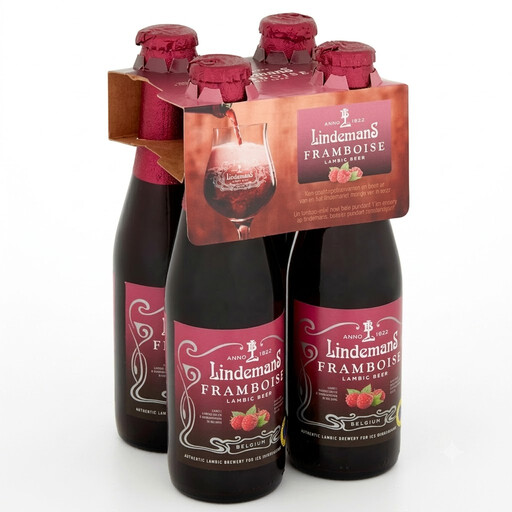
Why this suits the profile: The set contains four small 25 cl bottles and, according to the product information, has an alcohol content of 2.5%. This makes it easier to try fruit beer than buying a large multipack straight away.
The compact format makes the contents and total quantity clear. Do check the current ingredients list, however; the product information states that it contains gluten from malt.
4 x 25 cl, fruit beer with raspberry as the main flavour profile and 2.5% ABV according to the product description.
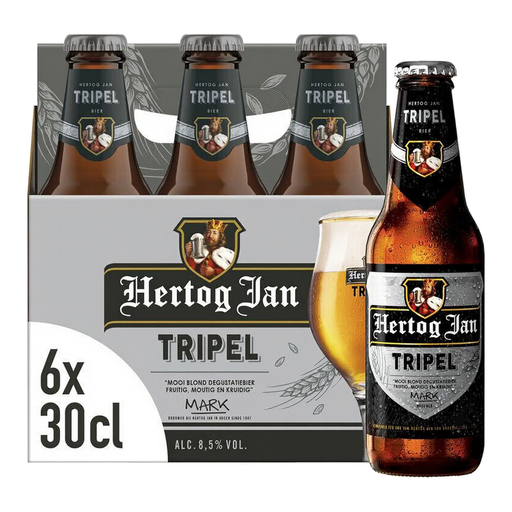
Why this suits the profile: If you are looking for a consistent selection for dinner or a weekend occasion, you get six bottles of the same Dutch tripel beer. The product description states that it has a blond colour, malty sweetness and 8.5% alcohol.
The alcohol content and packaging are clearly stated. This allows you to judge in advance whether six 300 ml bottles are suitable for your drinking occasion.
6 x 300 ml, 8.5% ABV, second fermentation in the bottle according to the product description, and produced in the Netherlands.
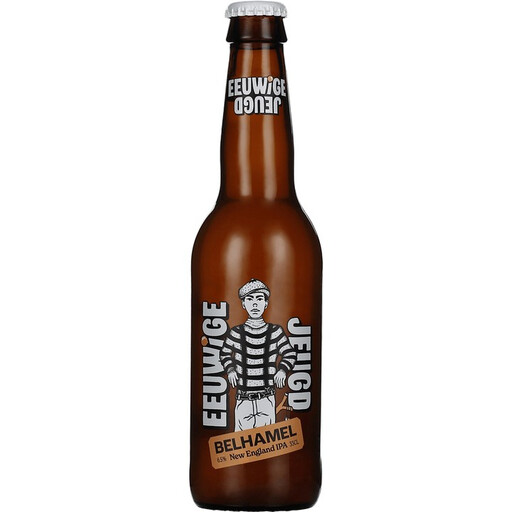
Why this suits the profile: For anyone deliberately looking for an IPA beer with a pronounced hop character. The product information states 6.5% alcohol and ingredients including hops, malted barley and wheat malt.
The style, volume and ABV are clearly stated. This means you do not have to rely solely on atmospheric images or general flavour claims.
330 ml, IPA style, 6.5% ABV and an ingredients list containing hops, barley, wheat malt and yeast.
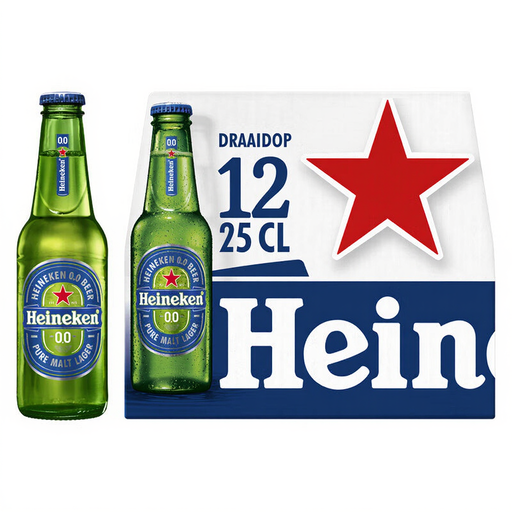
Why this suits the profile: This multipack is designed for occasions when you do not want to drink alcohol. According to the product description, the beer has 0.0% alcohol and a lightly bitter finish.
The set states both the number of bottles and the 250 ml format. For specific situations, always check the current labelling and ingredients.
12 x 250 ml, 0.0% alcohol according to the product information and suitable for keeping in stock.
We have put together a complete, up-to-date list of products that fully meet these strict selection criteria and the applicable European safety regulations.
Follow these steps before completing your purchase:
If you want to compare Belgian beer, you can choose Leffe Bruin, Affligem Blond, Leffe Tripel or Delirium Tremens as well as fruit beer. For a Dutch option, Hertog Jan Tripel, Texels Springtij and Eeuwige Jeugd Rascal IPA are available in various formats.
Pay particular attention to alcohol content, bottle size, total volume, ingredients, allergens and storage instructions. Also check whether you are buying a single bottle or a multipack. If the details differ, the current product page and packaging are the definitive sources.
That depends on the price per litre and the number of bottles. Divide the total price by the total volume to compare offers fairly. A pack can also be useful when you want to try several flavours, but a multipack of one variety may be better value if you already know what you like.
Store speciality beer in a cool, dry place away from direct sunlight. Avoid significant temperature fluctuations and follow the manufacturer's storage instructions. Before drinking, check the seal, best-before information and allergens on the packaging.
