
Vandaag of morgen in huis

Kwaliteit gegarandeerd

Welkomstaanbiedingen ontgrendelen: GRATIS bezorging | Tot 80% korting | Gratis 30 dagen JoyPlus-proefperiode
Download de app
Buying speciality beer may seem straightforward, but the range varies considerably in terms of beer style, ABV, volume and origin. An eye-catching label or well-known brewery does not always say anything about your personal taste. If you choose based solely on the name or a discount, you could end up with a large beer pack that barely gets drunk.
The main pitfalls:
Decide in advance which flavour profile you are looking for. This makes comparing products easier than relying on marketing terms.
A flavour description is partly subjective. Terms such as “fruity”, “creamy” or “full-bodied” do not guarantee that everyone will experience the flavour in the same way. Use them as a guide and compare them with the ingredients, style and ABV.
The alcohol content is usually shown as ABV or alcohol percentage. Also check the volume:
When ordering beer online, do not just compare the total price. Check the price per bottle and per litre as well. A 300 ml bottle cannot be compared directly with a 500 ml bottle. Also pay attention to packaging information and any deposit requirements.
Beer often contains water, malt, hops and yeast. Many products explicitly state that they contain barley or wheat. This is relevant for people who need to avoid gluten-containing grains. Check the current product packaging before buying, as online information may change.
Store bottles according to the product instructions: usually in a cool, dry place away from direct sunlight. Avoid large fluctuations in temperature. Once opened, it is best not to reseal a bottle for storage over a longer period; check the label for precise instructions.
The selection below is based on verifiable information such as style, ABV, volume, origin and packaging. Flavour descriptions have been taken from the product information provided. Brand claims about brewing tradition or exceptional quality have not been independently verified.
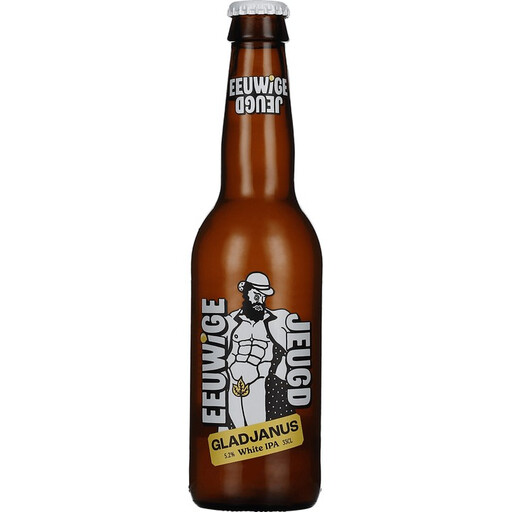
Why it suits this profile: A single 330 ml bottle and an ABV of 5.2% make this an approachable introduction to Dutch speciality beer.
You do not buy a large value pack before knowing whether the style and flavour description suit you.
330 ml, 5.2% ABV, made in the Netherlands, with an ingredients list containing barley and wheat malt.
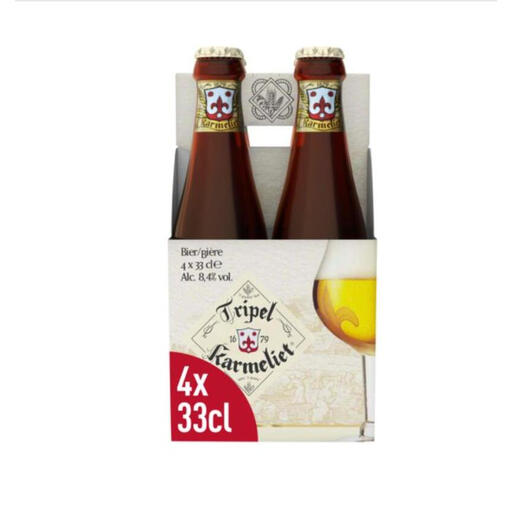
Why it suits this profile: If you are looking for a Belgian speciality beer for dinner or as a gift, you get four 330 ml bottles with a stated ABV of 8.4%.
The product page lists style characteristics, volume, ABV, ingredients and allergens, so you do not have to rely on the label alone.
4 x 330 ml, 8.4% ABV and a recipe containing barley, wheat, oats and spices.
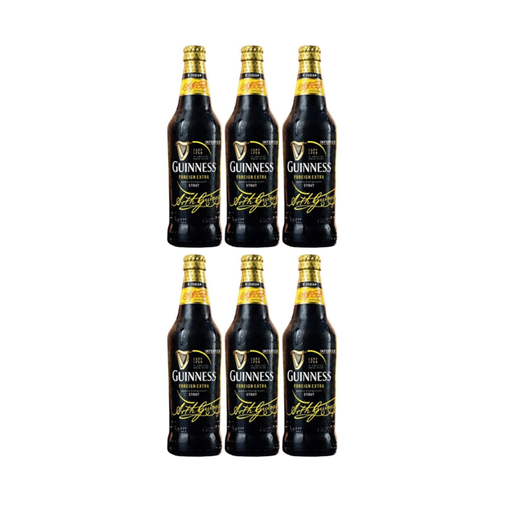
Why it suits this profile: A six-pack of stout is practical for several drinking occasions, a dinner or a gathering where a dark beer is preferred.
The packaging states that it contains six 325 ml bottles and has an ABV of 7.5%. This makes the total quantity clear in advance.
6 x 325 ml, 7.5% ABV and a stout profile with roasted malt, coffee and chocolate-like notes according to the product description.
A beer pack is useful if you want to try different styles or have guests with varied preferences. However, pay attention to the selection: a pack containing only tripels or strong beers may be less suitable for a long evening than a mix of blonde beer, IPA and dark beer.
Individual 330 ml beer bottles give you more control over the quantity. For a gift, you may wish to consider the origin, bottle size and presentation. For dinner, the intensity of the flavour should complement the dish: according to the product information, Delirium Tremens is recommended with salads and marinated salmon, while stout is more often paired with savoury dishes or desserts. These combinations are suggestions, not fixed rules.
If you want to order speciality beer online, it is worth checking the following:
We have put together a complete, up-to-date list of products that fully meet these strict selection criteria and the applicable European safety regulations.
A blonde beer of around 5% to 6.5% is often a practical starting point, as its ABV and flavour intensity are usually less pronounced than those of a tripel or strong blonde beer. A single bottle, such as the 330 ml Eeuwige Jeugd Smooth Operator, means you do not have to buy a large pack straight away.
Store beer in a cool, dry place away from direct sunlight. Check the instructions on the label and avoid significant temperature fluctuations. The recommended serving temperature varies by style: Delirium Tremens, for example, states 3–6 °C, while Texels Stormbock is said to be best served at around 10 °C according to the product information.
That depends on the price per bottle and per litre. Divide the total price by the number of bottles, then check the volume of each bottle. A 24-pack of 330 ml lager can be practical for a party, while a smaller pack of tripels or abbey beers may be more suitable when you want to taste different flavours at your leisure. Alcohol is intended only for adults of the legal drinking age; drink responsibly and not during pregnancy.
