
Vandaag of morgen in huis

Kwaliteit gegarandeerd

Welkomstaanbiedingen ontgrendelen: GRATIS bezorging | Tot 80% korting | Gratis 30 dagen JoyPlus-proefperiode
Download de app
Specialist dog food can seem easy to choose at first. The packaging features terms such as grain-free, hypoallergenic, digestive or skin & coat. But seeing one of these terms doesn’t automatically mean the food is right for your dog. The right choice depends on your dog’s age, size, ingredients, nutritional values and any guidance from your vet.
This guide will help you distinguish marketing claims from verifiable product information, so you can choose the right specialist dog food for puppies, adult dogs and dogs with specific dietary needs.
Grain-free dog food contains no grains, but may still include other ingredients that your dog is sensitive to. For example, the product description for Eukanuba Grain Free food lists peas and gluten-free sweet potato as sources of carbohydrates. The product is also chicken-free, but that doesn’t mean every dog will automatically tolerate it well.
If you suspect a food intolerance, the full ingredients list matters more than a single prominent term on the packaging.
Words such as sensitive, digestive or skin & coat are no substitute for checking the ingredients. Look at the protein source, fat content, fibre and any prebiotics. For example, dog food for sensitive stomachs may contain ingredients such as inulin, fructo-oligosaccharides or psyllium, but every dog reacts differently.
According to the product information for Farmina N&D Quinoa Digestion, it includes fennel, mint, artichoke and prebiotics. This describes the ingredients; it’s no guarantee of a particular result.
Veterinary dog food for kidney problems, heart problems, urinary tract problems or an elimination diet has a specific nutritional purpose. Reduced levels of protein, calcium, phosphorus or sodium may be relevant in certain situations, but every dog has different needs.
So consult your vet before using diet food for a diagnosed condition. Also check the recommended duration of use and feeding instructions on the packaging.
A puppy has different nutritional needs from an adult dog. According to the product description, Eukanuba Grain Free puppy food for small and medium-sized dogs is intended for puppies aged 1 to 12 months. The adult version is aimed at small and medium-sized dogs aged 1 to 7 years.
Also consider the size of the kibble. Dog food for small and large dogs often differs in kibble size, nutritional density and recommended portion. Always use the feeding guide on the packaging and adjust the amount to suit your dog’s weight, activity level and body condition.
First, make a note of the animal proteins your dog already eats. For an elimination diet, a limited, clearly stated protein source can be useful. Farmina Vet Life Ultra-Hypoallergenic Formula lists hydrolysed fish protein as its protein source and rice starch as its carbohydrate source. According to the product information, the food is intended to help reduce ingredient and nutrient intolerances.
Hydrolysed protein or an unusual protein source isn’t a universal solution. It’s best to use this type of product as part of a plan recommended by your vet.
Compare at least the following:
When choosing dog food to support digestion, the ingredient itself isn’t the only thing that matters. Consider the overall composition and how your dog responds during a gradual changeover.
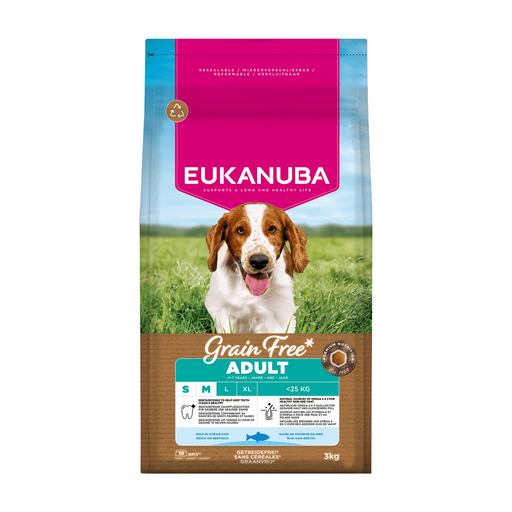
Why it suits this profile: A complete option for adult small and medium-sized dogs if you’re looking for a chicken-free, grain-free recipe with fish.
The product description clearly lists the protein source, carbohydrate sources and additives, rather than relying on the term “sensitive”.
Ocean fish as the animal protein source, FOS and beet pulp, plus stated omega 3 and omega 6 fatty acids.
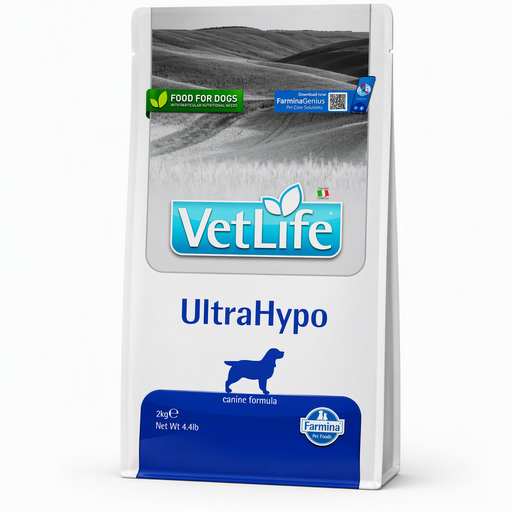
Why it suits this profile: Aimed at dog owners who want to check the ingredients and analytical values carefully when an intolerance is suspected.
The ingredients list specifically names hydrolysed fish protein and rice starch. Use as directed in the product information and consult your vet beforehand.
18% crude protein, 15% crude fat, and stated EPA, DHA and omega 3 levels.
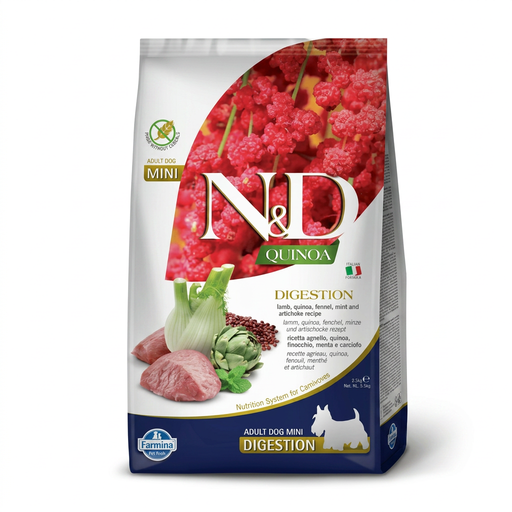
Why it suits this profile: For small adult dogs if you’re specifically looking for food to support digestion, with lamb, quinoa and prebiotic ingredients.
The recipe lists lamb, quinoa, inulin, fructo-oligosaccharides and psyllium, so you can base your choice on specific ingredients.
25% crude protein, 12% crude fat, and stated additions of glucosamine and chondroitin sulphate.
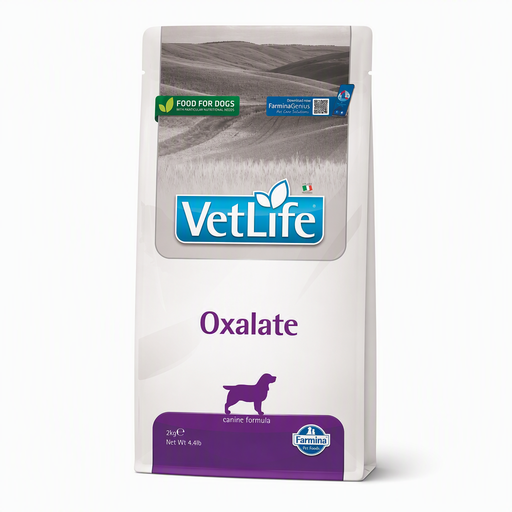
Why it suits this profile: Intended for dog owners looking for veterinary food for oxalate stones or certain kidney-related dietary needs.
The product description lists reduced levels of calcium, phosphorus, vitamin D3, copper and protein. Ask your vet whether it’s suitable.
The recipe is tailored to a specific dietary purpose and lists potassium citrate and a lower mineral profile.
We’ve put together a complete, up-to-date list of products that meet these strict selection criteria and current European safety regulations.
Gradually mix the new food with your dog’s current food, for example over 7 to 10 days. Keep track of their stools, appetite, weight and skin condition. Don’t introduce several new treats or supplements at the same time; otherwise, it can be difficult to work out what your dog is reacting to.
Store dry food in a cool, dry place and seal the bag tightly. Always make sure your dog has fresh drinking water. If symptoms persist, your dog loses weight, drinks a lot or has recurring digestive problems, it’s a good idea to book an appointment with your vet.
Hypoallergenic dog food may be worth considering if you suspect a food intolerance, but there could be another cause for your dog’s symptoms. Ask your vet to guide you through an elimination diet and follow it consistently.
No. Grain-free dog food simply contains no grains; it isn’t automatically hypoallergenic or necessary for every dog. Check the full ingredients list and choose according to your dog’s individual nutritional needs.
It depends on the product and its purpose. Some diets are intended for a limited period, while others can be used for longer under professional guidance. Follow the duration stated on the label and your vet’s advice.
