
Vandaag of morgen in huis

Kwaliteit gegarandeerd

Welkomstaanbiedingen ontgrendelen: GRATIS bezorging | Tot 80% korting | Gratis 30 dagen JoyPlus-proefperiode
Download de app
Buying a new speaker seems simple until you have to choose between a Bluetooth speaker, wireless speaker, computer speakers or a soundbar. Manufacturers often focus on wattage, surround technology and colourful features. However, these terms do not always tell you how well a product will suit your living room, desk or outdoor use.
The most common disappointing purchases result from three pitfalls:
The right choice therefore starts with how you plan to use the speaker and which specifications matter for that situation.
Compact computer speakers are practical for a desk. Consider the available space, power supply and connections. USB power is convenient with a laptop or desktop computer, while a 3.5mm AUX connection is suitable for devices without Bluetooth. Gaming speakers with RGB lighting can complement your setup, but lighting has no effect on audio quality.
A portable speaker should above all be easy to carry. Check its weight, battery life and charging port. For the beach, campsite or pool, water and dust protection are relevant. IP67 means complete protection against dust and temporary immersion according to the test conditions. IPX7 describes water resistance but says nothing about dust.
A soundbar takes up less space than separate home cinema speakers. For clearer dialogue, a model with a dedicated centre channel or a suitable voice mode may be worth considering. A soundbar with subwoofer generally adds more bass, but it also requires extra space and a power socket.
If you are looking for immersive sound, consider a Dolby Atmos soundbar or a system with additional surround speakers. Dolby Atmos support on the soundbar alone does not guarantee that every film will produce a convincing height effect. The source, positioning and room acoustics also play a part.
First, check which devices you want to connect:
Bluetooth versions such as Bluetooth 5.2 or 5.3 provide technical information about the connection, but range also depends on walls, interference and the connected device.
Do not look at wattage alone. Check whether the figure refers to RMS power or peak power, and how many speaker channels are included. A 2.0 system has two channels, while a 2.1 system adds a dedicated subwoofer. A 5.1.2 system uses additional channels and height information to create immersive effects.
A soundbar with built-in subwoofers saves space. A separate wireless subwoofer can make the bass sound more powerful, but it takes up additional floor space.
For an outdoor speaker, the IP rating, battery life and weight are more important than decorative features. A stated playback time, such as 12 or 20 hours, can vary depending on volume, lighting and audio content.
Also check the dimensions. A compact speaker fits easily into a bag, but often has less physical space for low frequencies than a larger model. For a desk, measure the space beside your monitor in advance and check where the cables will run.
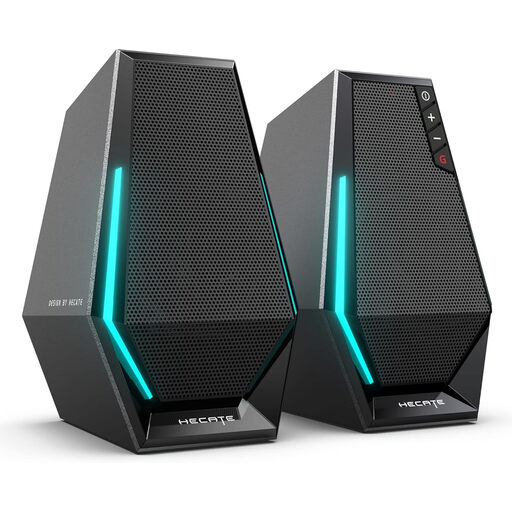
Why it suits this profile: This compact system is designed for a desk and supports Bluetooth 5.3, USB and 3.5mm AUX. You can connect a computer, laptop or mobile device.
The connections are clearly listed, so you do not have to judge it solely by its RGB lighting or stated peak power.
Two 2.5-inch drivers, 10 watts of peak power, three input options and selectable modes for gaming, music and films.
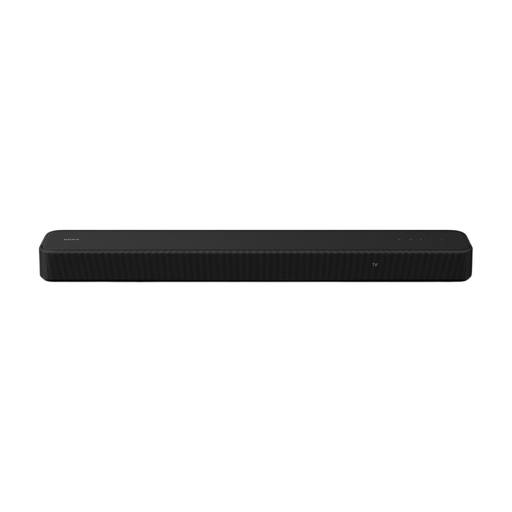
Why it suits this profile: This 3.1 soundbar is suitable if you want to improve your TV sound without placing multiple separate speakers around the room.
The configuration specifies three channels and built-in dual subwoofers. You can therefore see which components are included, rather than relying on a general surround-sound claim.
HDMI eARC/ARC, optical input, Bluetooth 5.2 and Dolby Atmos support. According to the product description, you can add a separate subwoofer and rear speakers.
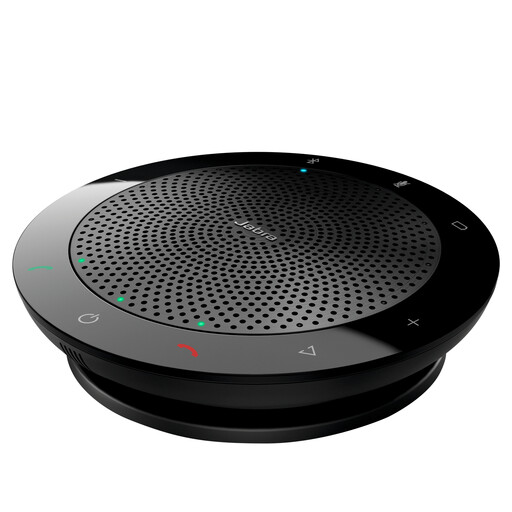
Why it suits this profile: For online meetings, a dedicated conference speaker makes more sense than a standard Bluetooth speaker. This model is compact and works via USB or Bluetooth.
Its features are designed for conversations and plug-and-play use. The model is also listed for indoor use, so it is not intended for patios or pools.
USB 2.0, Bluetooth 3.0, a stated battery life of up to 15 hours and certification for several UC platforms, according to the product information.

Why it suits this profile: The T7 combines a portable design with IPX7 water protection and a stated battery life of up to 12 hours when the LED lighting is switched off.
The IPX7 rating, Type-C charging port and battery conditions are clearly specified. This allows you to compare the speaker based on usage time rather than relying solely on a marketing term such as “outdoor”.
30 watts of output power, 360-degree sound according to the product description, Bluetooth 5.3, TWS pairing and a range of up to 18 metres in open space.
We have put together a complete, up-to-date list of products that fully meet these strict selection criteria and the applicable European safety regulations.
Where possible, use HDMI ARC or eARC if your TV and soundbar support it. This often allows you to control the volume with a single remote. An optical cable is an alternative. For a portable Bluetooth speaker, check whether your television supports Bluetooth audio and whether there is any noticeable delay.
Its lifespan depends on battery use, charging habits, storage and exposure to heat or moisture. Charge the speaker with the appropriate cable, do not leave it empty for extended periods and follow the safety instructions. The stated playback time is a usage indication, not a fixed guarantee.
A soundbar uses more power during playback than in standby. A model with a separate subwoofer has several active components. Enable automatic standby when this function is available and switch the system off if you will not be using it for an extended period. For a precise comparison, check the stated energy consumption in the product documentation.
