What should you look for when buying?
First decide who will control the music and how much control over the volume you need. Then compare the placement, power supply and protection with how the speaker will be used day to day.
| What to consider |
What to look for when buying |
Who will find this more important? |
| Manageable volume |
Check whether the volume is easy to turn down and whether the exact model supports an adjustable limit. Agree on who will control it. |
When children and adults share a space, I want to avoid the volume rising unnoticed. Around 31% of consumers put volume control first. |
| Easy to use |
Decide who will start the music from a phone or tablet and how another adult can take over the controls. |
When different adults play music, I want it to be easy to start and hand over control. Around 25% of consumers prioritise shared controls. |
| Moving it around and power |
Compare the weight, charging method and stated battery life with the locations and listening sessions you’ll use the speaker for. |
If the speaker moves between seating and play areas, I want to be able to move it easily and use it without constantly needing a power socket. Around 19% of consumers prioritise portability and power. |
| Protection |
Read the IP rating and the associated test conditions for the exact model. Consider charging cables when deciding where to place it. |
If dust or spilled drinks are a concern on a shared table, I want to know what protection the chosen model actually claims to offer. Around 13% of consumers name protection as their main concern. |
| Cost and after-sales support |
Weigh the features you’ll actually use against the total purchase cost, and check who to contact if something goes wrong after purchase. |
If I don’t need extra features, I don’t want to pay for them without getting any use out of them; after-sales support matters too. Around 12% of consumers prioritise cost and after-sales support. |
Joybuy products
These Joybuy products are intended for wireless music playback in a shared lounge, with options for moving them around and placing them in different ways.
 No image available
TRIBIT StormBox Mini Plus BTS33, green
A portable Bluetooth speaker for playing music from a phone and using in different locations.
Follow the charging port warning: close the cover before contact with water and dry the port before charging the speaker.
View at Joybuy
 No image available
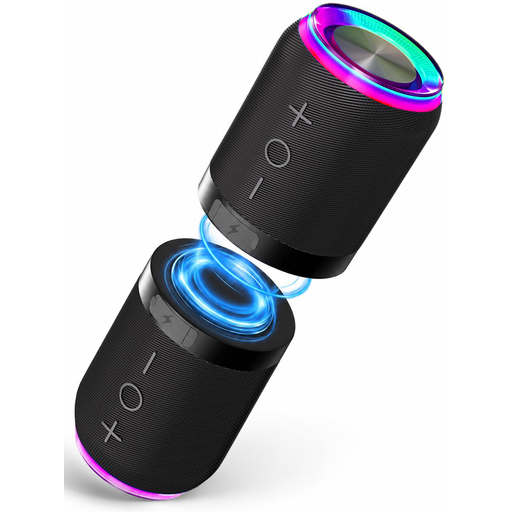
Bluetooth speaker set with magnetic attachment, IPX6, two units
An option if you want to adjust the speakers’ positioning to suit the shared space.
The product title describes two magnetically connectable units that can be separated, and lists IPX6.
View at Joybuy
 No image available
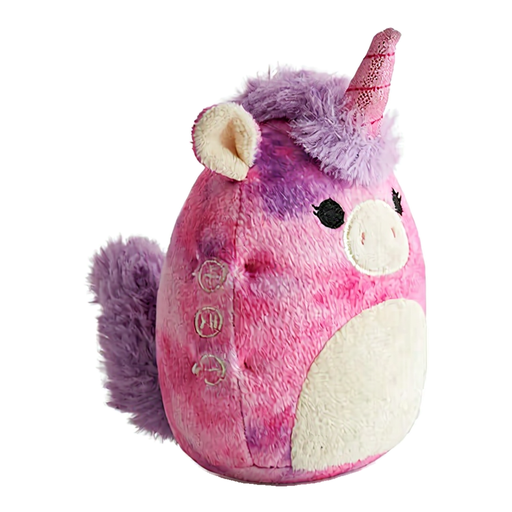
Squishmallows Lola Bluetooth speaker
A Bluetooth option for playing music from a phone.
View at Joybuy
 No image available
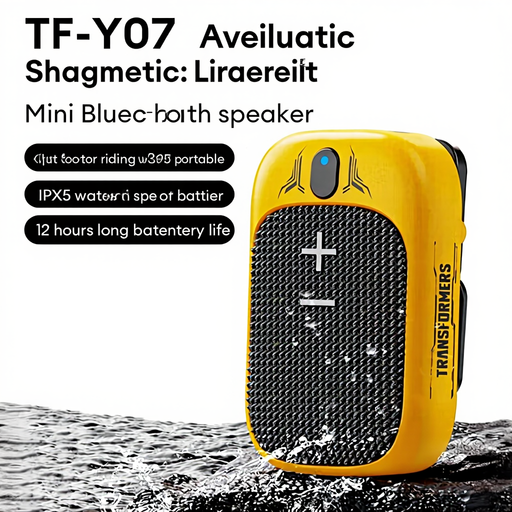
Transformers TF-Y07 mini wireless speaker, yellow
A mini wireless speaker for anyone looking for a compact option to play music in the lounge.
View at Joybuy
 No image available
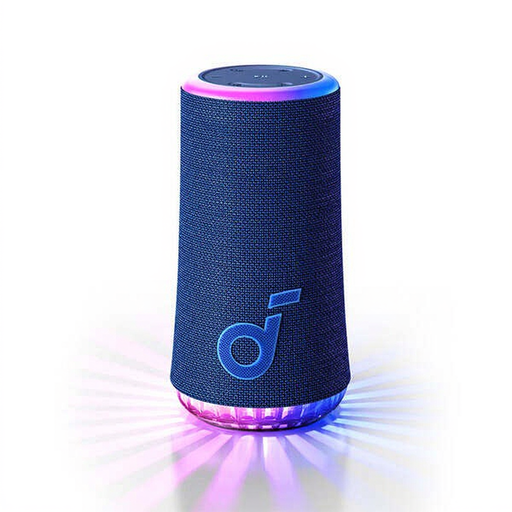
soundcore Glow-Blue
A Bluetooth option for playing music from a phone or tablet.
View at Joybuy
Frequently asked questions
Is a volume limit on the speaker enough to make listening safe for children?
No. A set limit does not tell you how much sound a child hears where they are listening. For supported products, Sonos describes a maximum on a scale of 0–100, not a measured sound level in decibels. Also pay attention to the actual volume, the distance and the listening time.
Does the Sonos Roam 2 need to be set up over Wi-Fi first?
For the additional Sonos app features, Sonos describes a connection to your home network. If you only want to use Bluetooth, follow the pairing instructions for that feature and don’t assume both connection modes offer the same features.
What if the speaker breaks sooner than expected?
In the Netherlands, the retailer is responsible for the statutory guarantee if a product does not meet what you could reasonably expect under normal use. ACM ConsuWijzer explains that a stated manufacturer’s guarantee does not replace these statutory rights.
Can you play children’s songs in any shared lounge without restrictions?
It depends on the type of space and how it is used. BumaStemra describes the need for permission to play music in public; the Dutch Government distinguishes between private use and making music available to the public. Establish whether the lounge is a private setting or a space for public use, and check the rules that apply there.
Is there a single national volume setting or cut-off time for music in a shared living space?
Don’t assume there is one fixed setting or cut-off time for every shared living space. Agree arrangements with the other people who use it and, if necessary, check the rules set by the landlord or owners’ association. If noise is disturbing the neighbours, the Dutch Government advises talking it over with each other first.


