
Vandaag of morgen in huis

Kwaliteit gegarandeerd

Welkomstaanbiedingen ontgrendelen: GRATIS bezorging | Tot 80% korting | Gratis 30 dagen JoyPlus-proefperiode
Download de app
Sparkling water goes well with a meal, is handy when you’re out and about, or can be an alternative to ordinary soft drinks. However, the range available online is not always easy to compare. One bottle may contain pure carbonated mineral water, while another is primarily a flavoured, sugar-free soft drink. Pack sizes also vary considerably, from small 200 ml bottles to 1.5-litre bottles of sparkling water and large multipacks.
So don’t just look for words such as “natural”, “refreshing” or “light”. Pay particular attention to the ingredients, nutritional values, volume and pack format.
The term sparkling mineral water generally refers to mineral water with added carbon dioxide. Sparkling water with a fruit flavour may also contain fruit juice, flavourings, sweeteners or food acids. This does not automatically make the product less suitable, but it is a different type of drink.
That is why you should check the ingredients list. Charlie’s Sparkling Water Lemon, for example, contains 97% carbonated water, 3% organic lemon juice and natural lemon flavouring. Crystal Clear Lemon contains, among other ingredients, sweeteners and a small amount of lemon juice from concentrate.
A product containing 0 grams of sugar may still contain sweeteners. This is important if you are looking for a neutral drink or want to limit the ingredients in your diet. Crystal Clear Lemon, for example, lists sucralose and acesulfame K. According to the product information, G’woon Blueberry, on the other hand, contains carbonated natural mineral water and natural blueberry flavouring, with 0 grams of sugar and 0 kcal per 100 ml.
So compare both the nutritional information table and the full ingredients list. This will help you avoid relying solely on the front of the packaging.
A sparkling water multipack may seem practical, but check how much you are actually getting. A pack containing 5 bottles of 1.5 litres is suitable for use at home, while 330 ml cans are more convenient for lunch, a picnic or drinking on the go. Small bottles take up less space during transport, but may work out more expensive per litre.
For sugar-free sparkling water, check:
Pure sparkling mineral water usually contains water and carbon dioxide. Sourcy Red, for example, lists natural mineral water and added carbon dioxide. According to the label, San Pellegrino Mineral Sparkling Water contains natural mineral water and carbon dioxide, with 0 kcal per 100 ml.
For natural mineral water products, the source can affect the taste. Some labels also provide values for calcium, magnesium, sodium and bicarbonates. Sourcy Red lists, among other values, 49 mg of calcium, 6 mg of magnesium and 10 mg of sodium per stated quantity.
Use these figures mainly to compare taste and composition. They are not a reason to regard a product as a health product.
Choose the volume based on how you intend to use it:
Once opened, sparkling water should be stored in the fridge and used within the stated period, according to the product information. Also check that the cap or seal is intact before opening a pack.
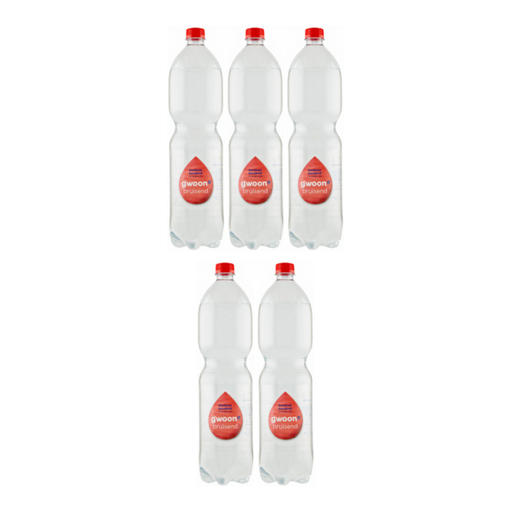
Why it suits this profile: The five 1.5-litre bottles are practical for everyday use at home, with meals and when serving several people.
The product information lists spring water, carbon dioxide, 0 grams of sugar and 0 kcal per 100 ml. This makes the composition easy to check.
1.5 litres per bottle, five bottles per pack, with no sugar and no calories according to the product details.
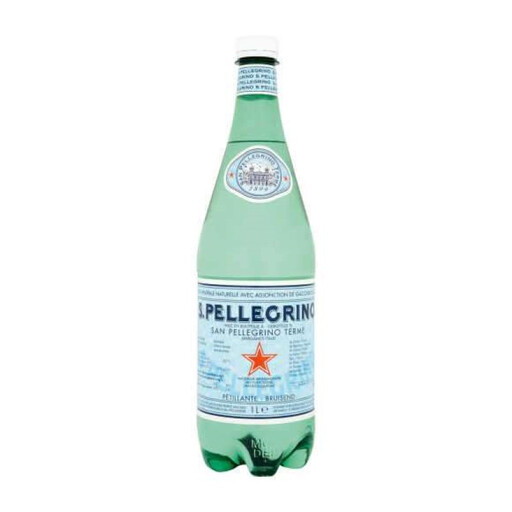
Why it suits this profile: The one-litre glass bottle is designed for serving with meals and contains natural mineral water with a distinctive Italian origin.
According to the ingredients list, the product consists of natural mineral water and carbon dioxide, with no fruit juice or sweeteners.
1-litre volume, made in Italy, 0 kcal and a composition containing only natural mineral water and carbon dioxide according to the label.
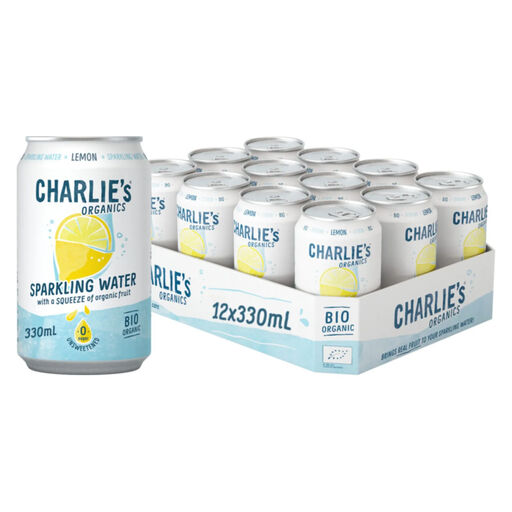
Why it suits this profile: The 330 ml cans are easy to chill, take with you or use as a mixer.
The product details state 0 grams of sugar and 1 kcal per 100 ml. The ingredients include lemon juice and natural lemon flavouring, so you know it is not pure mineral water.
Twelve 330 ml cans, lemon flavour, 0 grams of sugar and suitable for drinking neat or using as the base for a mixed drink.
We have put together a complete, up-to-date list of products that fully meet these strict selection criteria and the applicable European safety regulations.
If you are looking for a small pack size, consider Beypazari Limonlu Soda in 200 ml. The product information lists mineral water, carbon dioxide and natural lemon flavouring. Do check the nutritional values, though: this product contains 6.5 grams of sugar per 100 ml.
For sugar-free fruity flavours, there are also options such as g’woon Blueberry Sparkling Mineral Water in 1.5 litres and Charlie’s Sparkling Water Passionfruit. Charlie’s Passionfruit contains 5% organic juice and lists 0 grams of sugar per 100 ml. The flavour therefore does not come exclusively from mineral water.
No, not always. Fizzy mineral water consists of mineral water with carbon dioxide. Flavoured sparkling water may also contain fruit juice, flavourings, sweeteners or food acids. So check the ingredients list and the product name.
According to the product information, store an opened bottle in the fridge and use it within the stated period. Close the bottle securely. The fizz may gradually fade, even if the product is still within its best-before period.
It can be an option for consumers who want to drink less sugar. However, check whether the product contains sweeteners and how many calories it contains per 100 ml. Pure sparkling mineral water generally contains no sugar, while sugar-free sparkling water with fruit flavour may still contain flavourings, fruit juice or sweeteners.
