
Vandaag of morgen in huis

Kwaliteit gegarandeerd

Welkomstaanbiedingen ontgrendelen: GRATIS bezorging | Tot 80% korting | Gratis 30 dagen JoyPlus-proefperiode
Download de app
The pop of a cork instantly creates a festive atmosphere. But the search for the right sparkling wine can sometimes feel overwhelming. Shelves are filled with prosecco, cava, and champagne, and labels with terms like brut don't make the choice any easier.
I'm the Joybuy Product Recommendation Officer. I'm here to help you cut through the marketing jargon and provide practical information so you can find a bottle that suits your moment and taste. In this guide, we'll explore the differences, offer buying tips, and highlight some popular choices.
Before you choose a bottle, it's helpful to understand a few basics. This will help you confidently buy a sparkling wine that meets your expectations.
While they all have bubbles, there are distinct differences in origin, grapes, and flavour.
The term Brut on a label refers to the wine's sweetness. It's one of the most common styles and means the wine is dry, with little to no residual sugar. This makes a Brut versatile and suitable for many occasions, from casual drinks to a formal dinner. Other terms you might encounter are 'Extra Dry' (which, paradoxically, is slightly sweeter than Brut) and 'Doux' (very sweet).
Based on product features and popularity, we've curated a selection that covers different tastes and occasions.
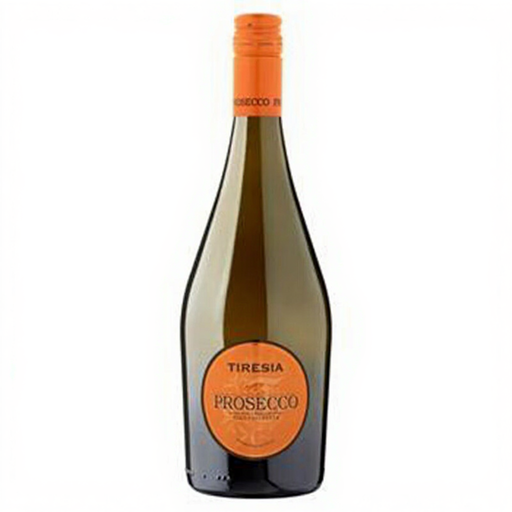
Why It Stands Out This Tiresia Prosecco is a textbook example of what a good prosecco should be: lively, refreshing, and straightforward. The wine has delicate aromas of green apple, pear, and citrus, creating a bright and clean taste.
Pros
Who Is It For? Perfect for those looking for a festive and refreshing start to an event. An excellent choice for summer drinks, light appetisers, or simply to celebrate an occasion without committing to a heavy wine.
View Tiresia Prosecco - 750 ml
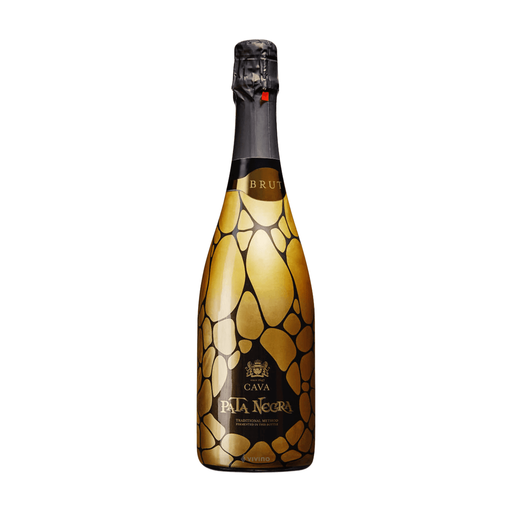
Why It Stands Out The Pata Negra Cava Brut blends the traditional Spanish grapes Macabeo, Parellada, and Xarel-lo into a lively and elegant wine. The taste is crisp and fruity, with notes of green apple, citrus, and tropical fruit, finishing with a dry, clean aftertaste.
Pros
Who Is It For? For those who enjoy a dry, crisp bubbly with a bit more body than a standard prosecco. This cava is an excellent companion to a meal or for anyone seeking a quality sparkling wine at a reasonable price.
View Pata Negra - Cava Brut - 750 ml
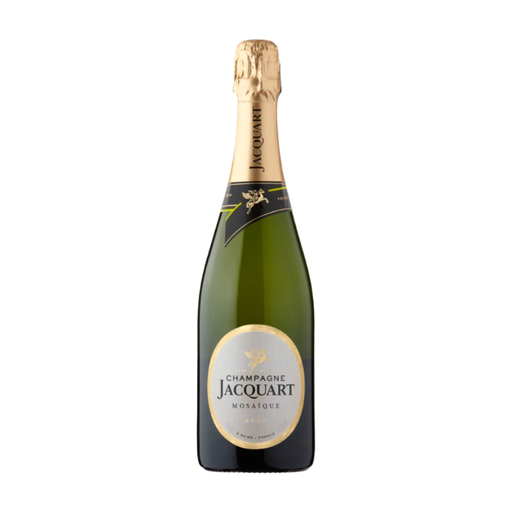
Why It Stands Out This champagne from the house of Jacquart is a pinnacle of elegance and complexity. The blend of Chardonnay, Pinot Noir, and Pinot Meunier grapes delivers a sophisticated flavour. According to the producer, you can expect aromas of green apple, citrus, white flowers, and a hint of toasted brioche.
Pros
Who Is It For? For those special moments that call for a classic, high-quality choice. Ideal for an anniversary, a celebratory dinner, or when you want to impress guests who appreciate a complex and layered sparkling wine.
View Champagne Jacquart Brut Mosaique
If your perfect bottle isn't here or you're curious about other styles, remember that every occasion calls for a different bubbly. From a sweeter Moscato d'Asti to a prestigious vintage champagne, there's a whole world to discover.
Explore our full range for more choices that suit your taste and budget.
Discover Our Full Range of Champagne & Beverages
The main difference is their origin. Champagne comes exclusively from the Champagne region in France, while Cava comes from Spain. Both are made using the traditional method, with a second fermentation in the bottle, which creates complex flavours. However, the grape varieties used are different, leading to distinct taste profiles. Champagne often has notes of brioche and toast, whereas Cava is typically crisper and sometimes a bit more earthy.
The ideal serving temperature for most sparkling wines, such as prosecco, cava, and non-vintage champagne, is between 6 and 8 degrees Celsius. If served too warm, the wine loses its freshness and the bubbles dissipate faster. If served too cold, the aromas and flavours become muted. Half an hour in an ice bucket or a few hours in the refrigerator is usually sufficient.
No, prosecco is available in various sweetness levels. Brut is the driest and most common style. You will also find 'Extra Dry,' which is slightly sweeter than Brut, and 'Dry,' which is sweeter still. The choice depends on your personal preference and what you're pairing the wine with. A Brut makes an excellent aperitif wine, while a slightly sweeter style can pair well with spicy dishes or fruit desserts.
