
Vandaag of morgen in huis

Kwaliteit gegarandeerd

Welkomstaanbiedingen ontgrendelen: GRATIS bezorging | Tot 80% korting | Gratis 30 dagen JoyPlus-proefperiode
Download de app
Opening a bottle of sparkling wine always feels festive. The search for the perfect one, however, is often less enjoyable. The shelf is lined with terms like Brut, Crémant, and Prosecco, and the price differences are vast. It's easy to overpay for a disappointing bottle or choose a wine that doesn't suit the occasion at all.
Before you make a choice, it's helpful to understand a few common pitfalls. This will prevent you from wasting money and ensure you come home with the right bottle.
You don't need to be a wine connoisseur to choose the right sparkling wine. By focusing on three key points, you can make a much better choice that aligns with your preferences.
The bubbles in your glass don't just appear by magic. The origin and method largely determine the taste and character.
The amount of residual sugar determines how dry or sweet a sparkling wine tastes. This scale will help you find the right bottle for your palate.
Beyond origin and sweetness, there are other choices you can make.
Based on objective product features, we have selected a few sparkling wines that suit different preferences and situations.
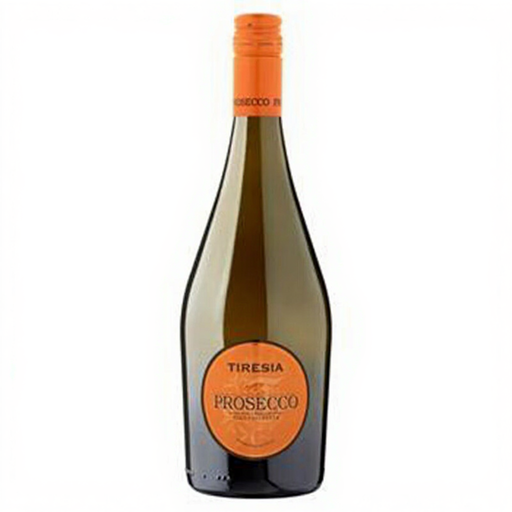
Why This Fits Their Persona: This is an uncomplicated and refreshing Italian bubbly that's perfect for a spontaneous get-together or a party. Approachable, fruity, and always a crowd-pleaser.
This Prosecco sidesteps the pitfall that more expensive means better. It offers a classic, fresh taste experience without the high price tag of a Champagne, for example.
Bright aromas of green apple and pear; a light and refreshing finish that is ideal as an aperitif.
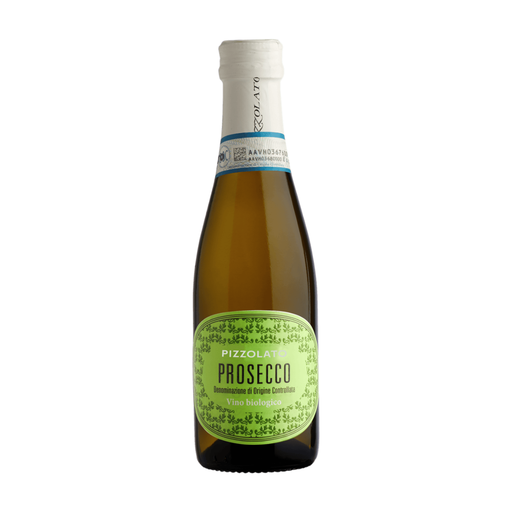
Why This Fits Their Persona: For those who choose mindfully and want to avoid waste. This small bottle of organic and vegan Prosecco is perfect for a personal moment, without having to open a large bottle.
This product proves that you don't have to compromise on quality or principles. It offers a certified organic and vegan option in a practical format.
Organic prosecco and vegan certified. The 200 ml format is ideal as small bottles of bubbly for a single serving.
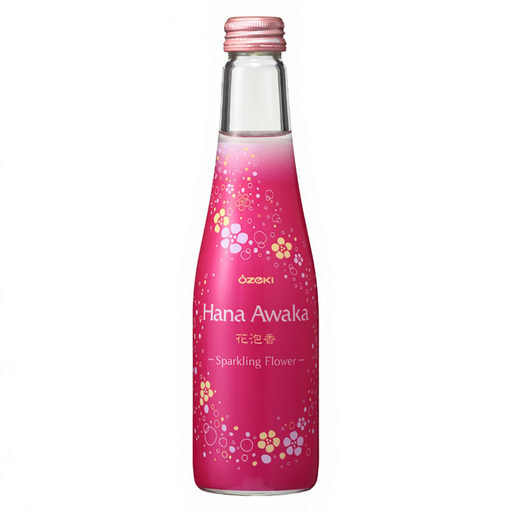
Why This Fits Their Persona: For those who want to try something completely different from standard European bubbles. This Japanese sparkling sake is light, slightly sweet, and fruity—a surprising and refreshing choice.
This product completely shatters the "Champagne myth" by showing that festive bubbles can also come from Japan, with a completely different flavour profile.
Unique and innovative flavour profile. Its low alcohol content makes it a light and approachable drink for light dishes or as an aperitif.
We have compiled a complete, up-to-date list of products that fully meet these strict selection criteria and current regulations.
1. What is the difference between Champagne, Prosecco, and Cava? The main difference lies in their origin and production method. Champagne comes from the eponymous French region and gets its bubbles via a second fermentation in the bottle (méthode traditionnelle), which creates complex, yeasty flavours. Cava from Spain uses the same method but with different grapes. Prosecco from Italy is typically made using the tank method, resulting in a fresher, fruitier wine.
2. How long can I store an opened bottle of sparkling wine? An opened bottle of sparkling wine quickly loses its carbonation. With a special champagne stopper, you can keep the bottle in the refrigerator for another 1 to 2 days. Without a stopper, most of the bubbles will be gone within a few hours. The wine will still be drinkable, but the festive experience is lost.
3. What does 'Brut' mean on a bottle of bubbly? 'Brut' is a French term indicating that the wine is dry. It is the most popular style for sparkling wines like Champagne, Cava, and Crémant. Although it means 'dry', a Brut wine often has enough fruitiness to balance the acidity, making it very suitable as an aperitif. It is drier than an 'Extra Dry' and much drier than a 'Demi-Sec'.
