
Vandaag of morgen in huis

Kwaliteit gegarandeerd

Welkomstaanbiedingen ontgrendelen: GRATIS bezorging | Tot 80% korting | Gratis 30 dagen JoyPlus-proefperiode
Download de app
Popping a bottle of bubbly always feels festive. But the search for the right bottle can quickly become overwhelming. The shelves are filled with terms like Brut, Prosecco, Cava, and Champagne. How can you be sure you're getting value for your money and not falling into a clever marketing trap?
As a Product Recommendation Officer at Joybuy, I see people struggle with this choice every day. Common mistakes lead to disappointment and unnecessary expense. Let's look at the two most frequent pitfalls so you can avoid them.
You don't need to be a wine expert to make a great choice. By paying attention to a few objective specifications, you can easily filter the options and find the bottle that's right for you.
The name on the bottle tells you a lot about its contents. It's not just marketing; it's an indication of origin and production method, which directly impacts taste and price.
The amount of residual sugar determines how dry or sweet the wine tastes. Don't be misled by the terms; use this objective guide instead:
Below is a selection of sparkling wines, matched to specific situations and preferences.
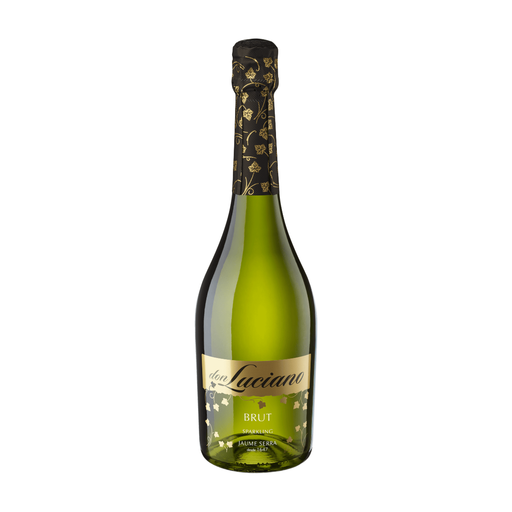
Why This Fits Their Persona: Perfect for those seeking an affordable yet flavourful bubbly for a spontaneous get-together or a party. No fuss, just a delicious, fresh Spanish sparkling wine.
This wine bypasses the 'Champagne fallacy' by offering excellent value for money. The Brut designation clearly indicates it's a dry wine, ideal for tapas or as an aperitif.
Fresh and fruity character with aromas of citrus and green apple. Made from Macabeo & Airén grapes, which provides an accessible flavour profile.
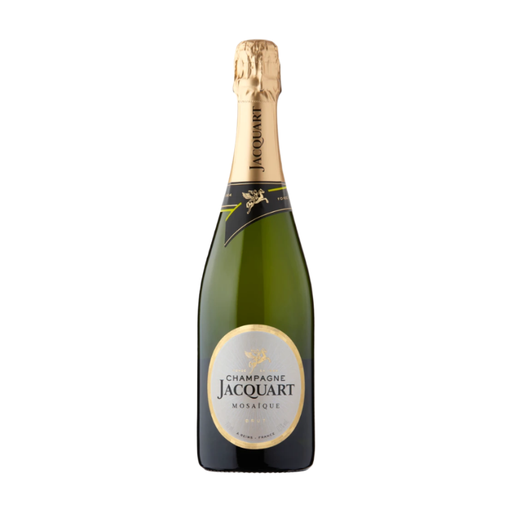
Why This Fits Their Persona: For that special occasion where only true Champagne will do. This bottle offers the complexity and refinement you need to celebrate a milestone.
This is an authentic Champagne, so you're paying for guaranteed origin and production methods. The Brut style is the classic, dry choice that best showcases the wine's complex flavours.
Made from a blend of Chardonnay, Pinot Noir, and Pinot Meunier. Offers complex aromas of green apple, citrus, and toasted brioche.
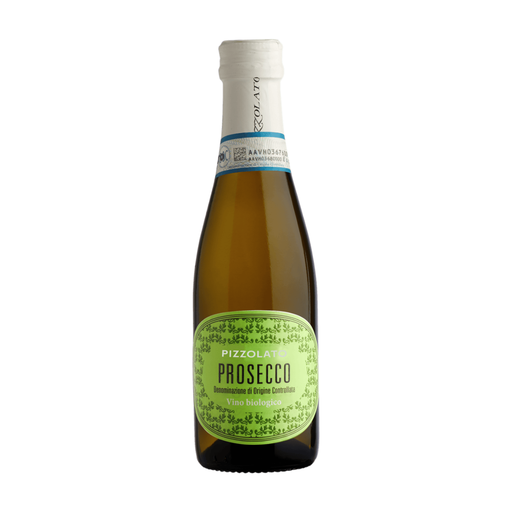
Why This Fits Their Persona: Ideal for someone who just wants a single glass, is planning a picnic, or celebrating a small personal win. These small bottles of bubbly prevent waste.
This bottle solves the 'one size fits all' problem. You don't have to open a large bottle. Furthermore, the DOC status of this Prosecco guarantees controlled origin and quality from the Treviso region.
Convenient 200 ml size. According to the producer, this wine is organic and vegan, with a fresh, delicate taste of white flowers and pear.
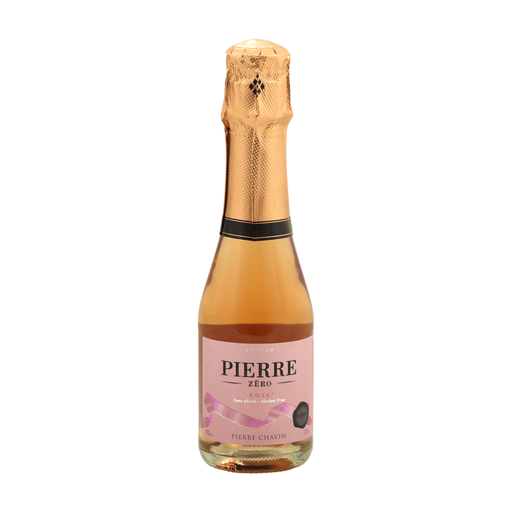
Why This Fits Their Persona: For anyone who wants to join the toast without drinking alcohol. This non-alcoholic sparkling wine offers a festive and flavourful alternative.
This product provides a specific solution for a clear need, avoiding the assumption that every celebratory drink must contain alcohol. It's a fully-fledged sparkling rosé, but with 0.0% alcohol.
Completely alcohol-free (0.0%). According to the producer, the product is vegan and has fruity aromas of berries and raspberry. The 200 ml size is convenient for a single serving.
We've compiled a complete, up-to-date list of products that fully meet these strict selection criteria and regulations.
1. How long can you store an opened bottle of sparkling wine? Once opened, the bubbles begin to dissipate quickly. With a special champagne stopper, you can keep a bottle in the refrigerator for another 1 to 3 days. However, the taste will change. Prosecco loses its bubbles faster than a Champagne or Cava due to its production method.
2. What's the difference between a flute and a coupe for champagne glasses? The flute is a tall, narrow glass designed to preserve the bubbles for as long as possible and direct the aromas to the nose. The coupe is a wide, shallow glass that looks festive but allows the bubbles and aromas to escape quickly. For the best taste experience, a flute or a tulip-shaped wine glass is a better choice. Sets like the Alpina Champagne Glass Set are a great place to start.
3. Is more expensive sparkling wine always better? Not necessarily. A higher price is often linked to the origin (Champagne), a labour-intensive production method, the reputation of the house, or a long aging period. This often results in more complexity. Whether that's 'better' depends on your personal taste and the occasion. A light, fruity, and affordable Prosecco might taste better on a sunny patio than a heavy, complex vintage Champagne.
