
Vandaag of morgen in huis

Kwaliteit gegarandeerd

Welkomstaanbiedingen ontgrendelen: GRATIS bezorging | Tot 80% korting | Gratis 30 dagen JoyPlus-proefperiode
Download de app
Sparkling water comes in many varieties: from unflavoured sparkling mineral water to fruit-flavoured sparkling water, lemon sparkling water and sparkling water in cans. At first glance, the differences may seem minor. However, ingredients, nutritional values, packaging and serving sizes can vary considerably.
Pay particular attention to three common pitfalls:
With the right comparison, it is easier to find a drink that suits your taste, household and everyday needs.
Always compare the nutritional value per 100 ml. This makes products in different pack sizes easier to compare. The range includes several options with 0 kcal per 100 ml, such as g’woon Mineral Water Sparkling Light and g’woon Sparkling Mineral Water Raspberry.
Crystal Clear Sparkling Lemon Flavoured Water lists 1 kcal per 100 ml and 0 grams of sugar. According to the product information, this drink is sweetened with sucralose and acesulfame-K. So, if you want to avoid sugar, you can also check the ingredients list to decide whether sweeteners suit your preferences.
Fruit-flavoured varieties may have a different composition. According to the product information, Charlie’s Sparkling Water Grapefruit contains 93% carbonated water and 7% organic juice. Its nutritional value is 3 kcal per 100 ml. That is still low in calories, but it is not the same as a variety with 0 kcal.
Sparkling mineral water usually consists of natural mineral water and added carbon dioxide. Its flavour is then mainly determined by the mineral composition and the amount of carbonation. For example, g’woon Mineral Water Sparkling Light lists sodium, potassium and calcium on the label.
Flavoured sparkling water contains added natural flavourings, fruit juice or sweeteners. According to the product description, g’woon Sparkling Mineral Water Blueberry contains carbonated natural mineral water and natural blueberry flavouring. Its nutritional value is 0 kcal and 0 grams of sugar per 100 ml.
Also pay attention to the product name. A fruit-flavoured product does not necessarily contain a large amount of fruit. For example, Crystal Clear Lemon lists 0.01% lemon juice from concentrate, alongside natural flavourings and sweeteners. This does not make the product any less suitable, but it does make it different from fruity mineral water with a higher juice content.
For home use, a 1.5-litre bottle can be convenient. You need fewer individual packs and can serve the sparkling water with several meals. Once opened, the bottle should be stored in the refrigerator according to the product information and used within the stated period.
For work, train journeys, picnics or social occasions, 330 ml cans and bottles are more practical. Sourcy Red Sparkling Mineral Water comes in cans of 24 × 330 ml. Charlie’s Sparkling Water is available in packs of 12 × 330 ml. When buying a multipack, always check the total contents and work out the price per litre if necessary.
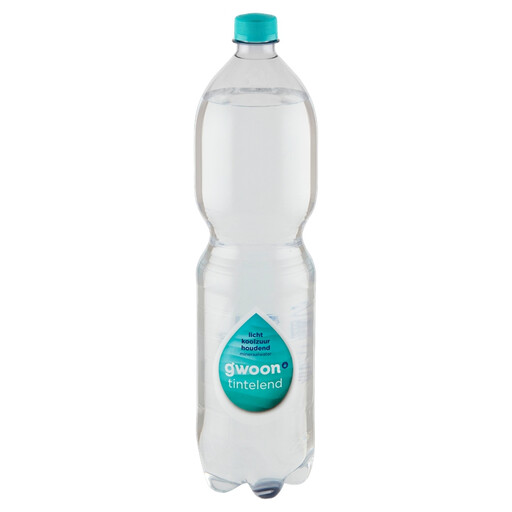
Why it suits this profile: A 1.5-litre bottle is suitable for everyday use at home. Its neutral flavour pairs well with meals and personal additions such as lemon or mint.
The ingredients list contains only natural mineral water and carbon dioxide. No flavourings, sugar or sweeteners have been added.
0 kcal and 0 grams of sugar per 100 ml; minerals such as calcium, potassium and sodium are listed.
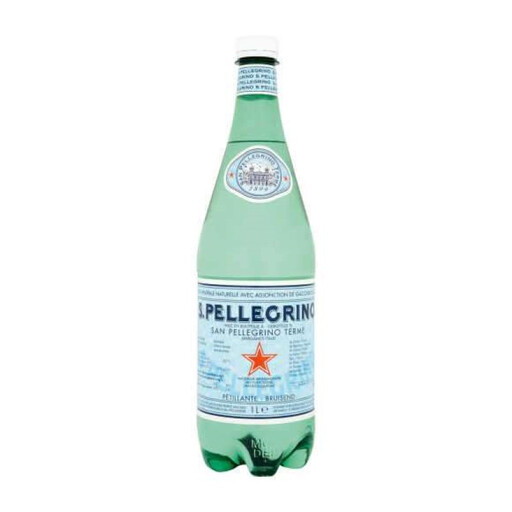
Why it suits this profile: The 1-litre bottle is suitable for a laid table and occasions when the flavour of pure mineral water takes centre stage.
The ingredients are limited to natural mineral water and carbon dioxide. There is no fruit flavour or hidden sugar content.
0 kcal per 100 ml; the product information lists a natural mineral composition and origin in Italy.
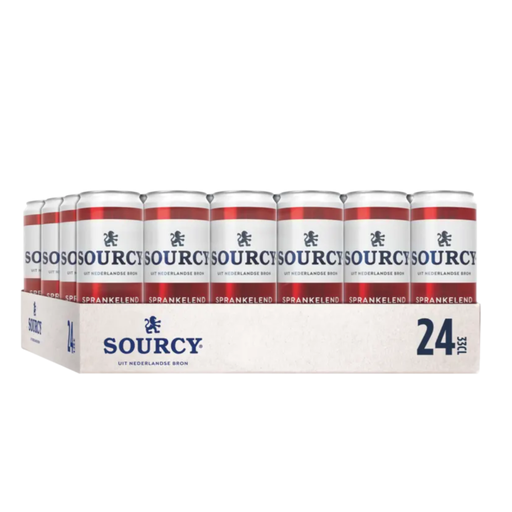
Why it suits this profile: A multipack of cans works well for the office, events, car journeys and keeping a supply at home.
The serving size is pre-portioned, so there is no need to reseal and chill a large bottle after opening it.
24 cans of 330 ml; natural mineral water with added carbon dioxide and no listed allergens.
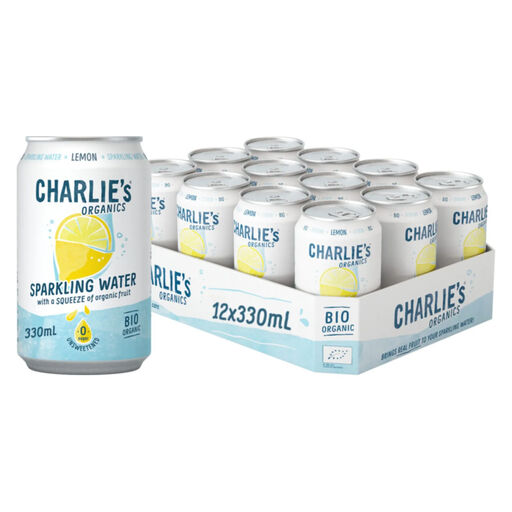
Why it suits this profile: The lemon flavour adds more variety than plain sparkling water, while the cans are suitable for drinking on the go or using as a mixer.
The label lists 3% organic lemon juice and natural lemon flavouring. This makes it clear that it is flavoured sparkling water with a limited juice content.
1 kcal per 100 ml; 12 cans of 330 ml; no sugar or sweeteners listed in the ingredients list.
We have put together a complete, up-to-date list of products that fully meet these strict selection criteria and the applicable European safety regulations.
Not always, but many sugar-free varieties contain few calories. Check the nutritional table per 100 ml. Some products use sweeteners, while others contain only water, carbon dioxide and natural flavourings. A product containing fruit juice may contain a few calories per 100 ml, even if no sugar has been added.
Store an opened bottle according to the instructions on the packaging, usually sealed in the refrigerator. The fizz gradually decreases over time. Check the label of your chosen product for the exact period in which it should be used, and do not use a bottle if the seal was already damaged when you bought it.
That depends on the price per pack, the total contents and how you use it. A 1.5-litre bottle can be practical for use at home and with meals. 330 ml cans are easier to portion and take with you. So compare the price per litre, but also consider storage space, chilling and packaging convenience.
