
Vandaag of morgen in huis

Kwaliteit gegarandeerd

Welkomstaanbiedingen ontgrendelen: GRATIS bezorging | Tot 80% korting | Gratis 30 dagen JoyPlus-proefperiode
Download de app
Sparkling water may seem like a simple product, but the options vary considerably in taste, carbonation level, pack size and ingredients. Looking for natural mineral water to serve with a meal, a multipack for the office or sugar-free flavoured sparkling water? Checking the front of the pack alone won’t tell you everything you need to know.
Many shoppers come up against the same pitfalls:
By checking the right things, it’s easier to find sparkling water that suits your household, taste and the occasion.
Pure sparkling water usually lists just two ingredients: water and carbon dioxide. That’s the case, for example, with g’woon Sparkling Mineral Water, whose product listing names spring water and carbon dioxide. Its nutritional information shows 0 kcal and 0 grams of sugar per 100 ml.
Flavoured sparkling water is different. According to the product information, Charlie’s Sparkling Water Lemon contains 97% carbonated water, 3% organic lemon juice and natural lemon flavouring. It has 1 kcal per 100 ml and 0 grams of sugar. It’s not the same as completely unflavoured mineral water, but it may appeal if you’re looking to swap fizzy drinks for something with a fruity flavour.
When choosing sugar-free sparkling water, always check for:
So a low-calorie product isn’t automatically the same as pure water. For example, according to the product information, Volvic Touch of Fruit Strawberry contains sweeteners and a preservative, despite its low energy content.
The amount of carbon dioxide affects the drinking experience. Lightly sparkling water generally has smaller or less noticeable bubbles, making it a good choice if you prefer a gentle fizz. SPA Finesse Light Sparkling is described in the product information as lightly sparkling natural mineral water.
For a more noticeable fizz, choose strongly sparkling water. SPA Intense Sparkling is described as intensely sparkling and is available in, among other sizes, 500 ml and 1 litre bottles, as well as a multipack of 6 x 1.5 litres.
Using sparkling water as a mixer for cocktails or mocktails? A higher level of carbonation may stay noticeable for longer. For sipping over a meal, lightly sparkling water may be more enjoyable. As these terms can vary between brands, the specific product description is more useful than the name alone.
For everyday use in a family, 1.5-litre mineral water is a practical option. A large bottle fits in the fridge and is ideal for sharing at dinner. According to the product information, an opened bottle should be kept chilled and used within the stated period.
Smaller packs are more convenient for on-the-go drinking, lunch or events:
Check the packaging material too. Bar-le-Duc, for example, lists a bottle made from 100% recycled plastic. Sourcy Red is available in 24 cans of 330 ml, which may be handy if you don’t want to store opened bottles. Check the current packaging and pack size on each product page.
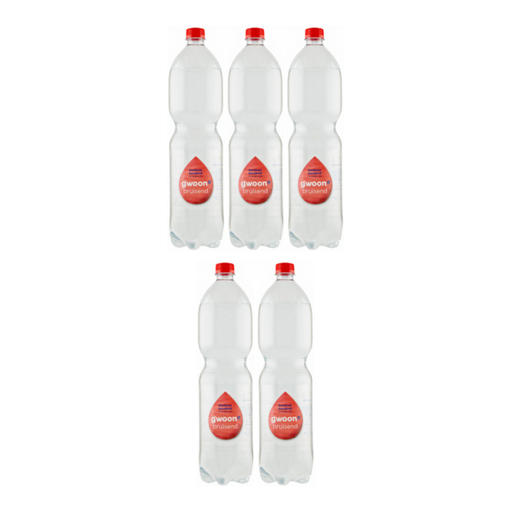
Why it suits this shopper: The pack of five 1.5-litre bottles is ideal for everyday use and sharing at mealtimes.
The ingredients list names spring water and carbon dioxide, with no sugar or calories. So you know exactly what you’re buying.
1.5 litres per bottle, 0 kcal and 0 grams of sugar per 100 ml; suitable for vegetarians and vegans according to the product information.
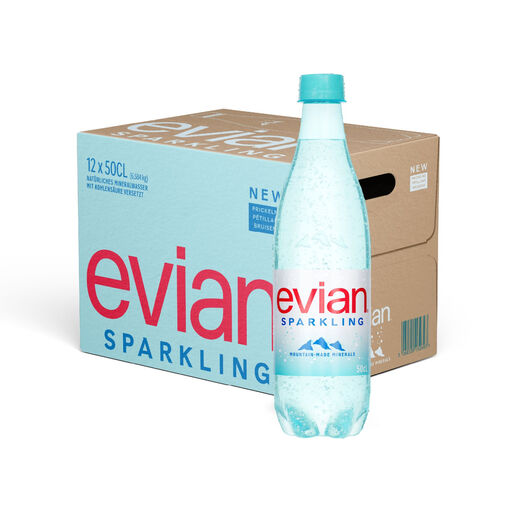
Why it suits this shopper: The 500 ml portions are ideal for serving chilled, taking on the go or offering at a business meeting.
The product information lists the mineral content per litre, so you don’t have to rely on the brand name or packaging alone.
12 bottles of 500 ml; the listed composition includes 80 mg of calcium and 6.5 mg of sodium per litre.
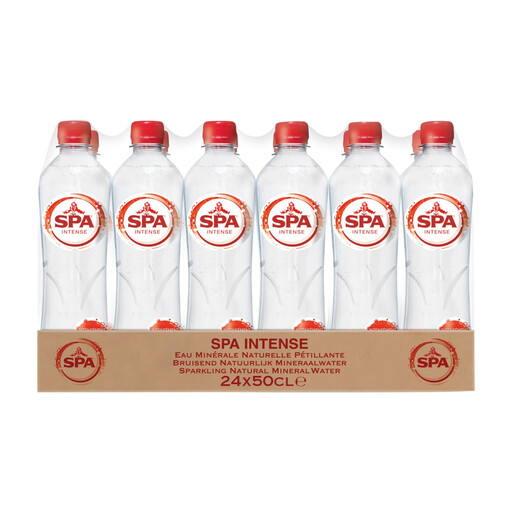
Why it suits this shopper: A large multipack of individual bottles is a practical choice for offices, events and households that get through a lot of sparkling water.
The carbonation level is clearly described as intense. That means you can choose based on the drinking experience, not just the label.
24 bottles of 500 ml; low in minerals and contains 5 mg of sodium per litre according to the product information.
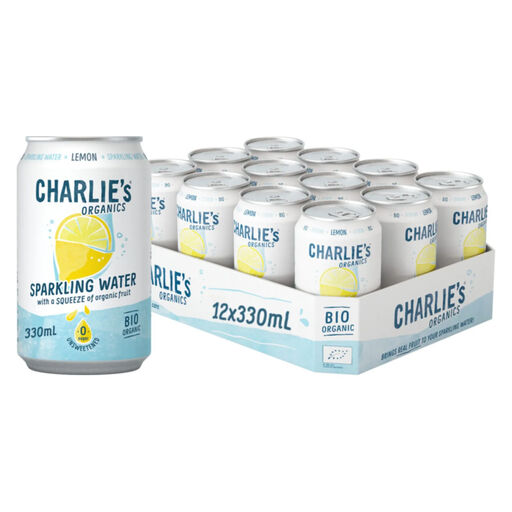
Why it suits this shopper: The small cans or bottles with lemon flavour are a handy alternative to fizzy drinks or a good base for cocktails.
The ingredients and nutritional information are clearly listed: 0 grams of sugar and 1 kcal per 100 ml, with organic lemon juice.
12 x 330 ml; lemon flavour, organic lemon juice and no sugar according to the product description.
We’ve put together a full, up-to-date list of products that meet these strict selection criteria and the applicable European safety regulations.
Pure sparkling water made with water and carbon dioxide typically contains 0 kcal and 0 grams of sugar per 100 ml. Flavoured versions may also be low in calories, but can contain sweeteners, fruit juice or preservatives. Always check the nutritional information and ingredients list.
Keep an opened bottle chilled and make sure the cap is tightly closed. The exact time it can be kept after opening varies by product and is stated on the packaging. The water will gradually lose its fizz over time, even if it’s still within its best-before date.
Yes, sparkling water can be used as a mixer. An unflavoured variety lets the other flavours shine, while lemon, grapefruit or berry flavours add extra aroma. Choose a multipack if you’re making several drinks, and check beforehand whether the product contains sugar, sweeteners or fruit juice.
