
Vandaag of morgen in huis

Kwaliteit gegarandeerd

Welkomstaanbiedingen ontgrendelen: GRATIS bezorging | Tot 80% korting | Gratis 30 dagen JoyPlus-proefperiode
Download de app
Sparkling water may seem simple to choose. But bottles and cans can differ considerably in taste, size, ingredients and convenience. If you only look at an eye-catching label or a low promotional price, you could end up with a multipack that doesn’t suit your everyday needs.
When comparing products, look out for these three common pitfalls:
Check the ingredients list before making your choice. Carbonated water may consist of natural mineral water and added carbon dioxide, while flavoured varieties often contain fruit juice or natural flavourings too.
If you’re looking for sugar-free sparkling water, don’t rely on words such as “light” or “zero”. Check the nutrition table per 100 ml. For example, Charlie’s Sparkling Water Lemon lists 1 kcal per 100 ml and 0 grams of sugar. The Orange & Mandarin variety lists 2 kcal and 0 grams of sugar per 100 ml, with 4.5% organic juice. These figures can be checked against the product information.
Also look out for sweeteners. A drink can contain 0 grams of sugar and still list sweeteners. For example, Genki Forest White Peach lists erythritol and steviol glycosides. If you want to avoid a sweet taste, it’s worth reading the full ingredients list.
If you’re looking for plain sparkling water, you can choose naturally sparkling mineral water. Its taste is influenced in part by its mineral content and the amount of carbon dioxide. SPA Intense Sparkling lists calcium, magnesium, sodium and bicarbonates, among other minerals. Evian Sparkling Mineral Water also lists its mineral profile, including 80 mg of calcium and 360 mg of bicarbonates per litre.
These figures are product specifications; they don’t mean that everyone will find the product tastes the same. If you prefer a softer taste, you can compare the mineral values. For example, Sourcy Red Sparkling Mineral Water lists 49 mg of calcium and 180 mg of bicarbonates, according to the product information.
A multipack of sparkling water isn’t automatically better value. Work out the total volume and compare it with the price. A pack of 12 x 330 ml contains 3.96 litres. A pack of 6 x 500 ml contains 3 litres. A larger number of cans can be handy if you drink a lot of sparkling water, but it does take up more space.
Also consider the packaging:
After opening, product information generally recommends keeping sparkling water chilled and using it within the stated period. Always check the packaging label for the latest storage guidance.
The following choices are based on size, ingredients, taste and the nutritional information listed for each product. Brand descriptions of refreshment or taste aren’t independent claims about a product’s effects; the facts mentioned come from the available product information.
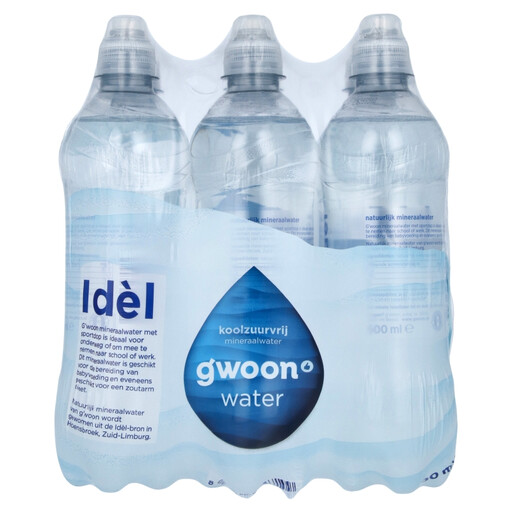
Why it suits this profile: A straightforward choice if you’re after plain sparkling water with no flavour. The 500 ml bottle is handy at home and on the go.
The ingredients list states natural mineral water, and the nutrition information lists 0 kcal and 0 grams of sugar.
6 x 500 ml bottles; unsweetened according to the stated ingredients list.
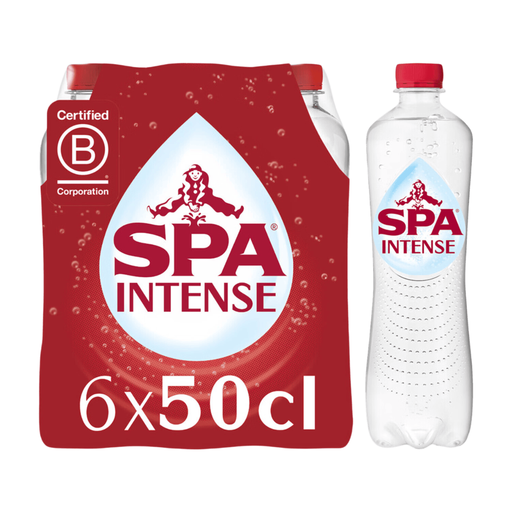
Why it suits this profile: A good choice if you’re looking for natural mineral water with a pronounced fizz and a specified mineral content.
The product information lists natural mineral water and carbon dioxide, with no added flavourings or sugar.
6 x 500 ml bottles; mineral values are specified for the product.
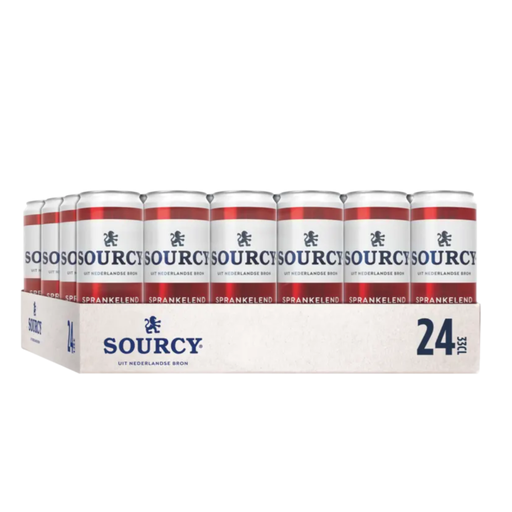
Why it suits this profile: A bulk pack for offices, visitors or households that often drink sparkling water from cans.
The pack size is clearly specified: 24 cans of 330 ml. This makes it easy to work out the total volume in advance.
24 cans; natural mineral water with added carbon dioxide, according to the product information.
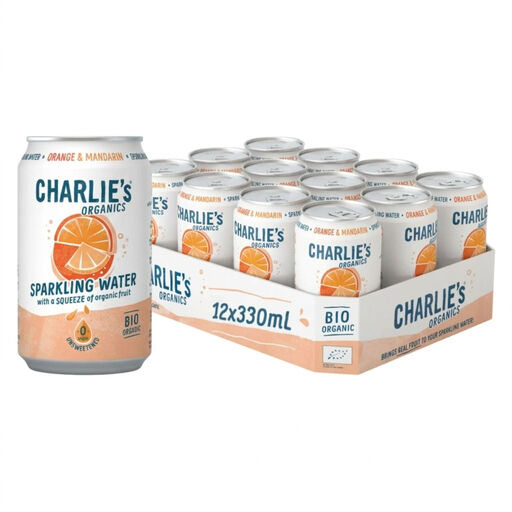
Why it suits this profile: A fruity option if you find plain sparkling water too neutral, but still want to keep an eye on the nutritional values.
The ingredients list includes 4.5% organic juice, and the nutrition information lists 0 grams of sugar per 100 ml.
12 cans of 330 ml; orange and mandarin flavour with 2 kcal per 100 ml.
We’ve put together a complete, up-to-date list of products that meet these strict selection criteria and the applicable European safety regulations.
Not always. Sparkling water is a broad term for water with carbon dioxide. Sparkling mineral water is natural mineral water to which carbon dioxide has been added, or which naturally contains carbon dioxide. Flavoured sparkling water may also contain fruit juice, flavourings or sweeteners.
That depends on the packaging, temperature and how tightly the bottle is sealed. Keep an opened bottle chilled and close the cap firmly. Check the label for the recommended period after opening. A can can’t be resealed once opened, so it’s best suited to a single serving.
It depends on the offer and pack size. Compare the price per litre, not just the price of the whole pack. Also consider whether you’ll use all the cans or bottles in time. A multipack of 24 small containers can be practical, but it won’t necessarily be better value than two smaller packs.
