
Vandaag of morgen in huis

Kwaliteit gegarandeerd

Welkomstaanbiedingen ontgrendelen: GRATIS bezorging | Tot 80% korting | Gratis 30 dagen JoyPlus-proefperiode
Download de app
Sparkling water may seem like a straightforward purchase, but the range varies considerably. Are you looking for a bottle for the fridge, a multipack for when you’re out and about, or a sugar-free flavoured option? Then it’s not just the brand and price that matter. The ingredients, nutritional values, packaging and shelf life all determine whether a product suits the way you intend to use it.
The biggest pitfall is that the name on the front does not always tell the whole story. “Sparkling water”, for example, could be carbonated natural mineral water, but it could also be a fizzy soft drink containing sweeteners. Always check the label and product information.
A flavour such as lemon, peach or blueberry does not automatically mean that the product contains a lot of fruit. Some products consist mainly of water, carbon dioxide and flavourings. According to the product information, Crystal Clear Sparkling Peach Flavoured Water contains natural flavourings, sweeteners and just 0.01% peach juice from concentrate.
Charlie’s has a different composition. According to the product information, Charlie’s Sparkling Water Lemon contains 97% carbonated water and 3% organic lemon juice. So check the ingredients list if you specifically want sparkling water with fruit flavour or a product containing fruit juice.
Sugar-free sparkling water can contain sweeteners. Crystal Clear Sparkling Lemon, for example, lists sucralose and acesulfame-K, while g’woon Sparkling Mineral Water consists of spring water and carbon dioxide and, according to the stated nutritional values, contains 0 grams of sugar and 0 kcal per 100 ml.
If you want a neutral drink without a sweet taste, choose sparkling mineral water without flavourings. If you’re looking for a refreshing alternative to soft drinks, a flavoured and low-calorie sparkling water option may be a better fit.
A large bottle often seems economical, but once opened, the amount of carbonation gradually decreases. For a household, 1.5-litre sparkling water is practical with a meal or in the fridge. For the office, visitors or when you’re out and about, sparkling water cans of 330 ml may be more convenient, as you open one per serving.
So compare the price per litre as well as the amount you’re likely to use in practice. With a sparkling water multipack, it’s also worth considering the total volume, number of packs and storage space.
Check these points before ordering:
A product description is useful for guidance, but the packaging remains the definitive source for ingredients, nutritional values and shelf life. Brands may describe taste or freshness differently. Phrases such as “extra refreshing” or “smooth taste” are not measurable quality standards.
The packaging determines how well sparkling water fits into your routine:
Pay close attention to compatibility. According to the product information, the SodaStream Glass Bottle DUO 1L 2-Pack is only suitable for the SodaStream DUO sparkling water maker. The bottles are dishwasher-safe according to the stated specifications, but they will not automatically fit other models.
With sparkling mineral water, the composition may vary from one source to another. Sourcy Red Sparkling Mineral Water lists, among other values, 49 mg of calcium, 6 mg of magnesium and 10 mg of sodium per litre. Evian Sparkling Mineral Water lists 80 mg of calcium, 26 mg of magnesium and 6.5 mg of sodium per litre. According to the product information, Spa Intense has a much lower calcium content of 5.5 mg per litre.
These values tell you something about the composition, but they do not determine everyone’s taste preferences in the same way. If you prefer a softer taste, you can compare different mineral profiles. For everyday use, the most important thing is that you enjoy the taste and can store the packaging conveniently.
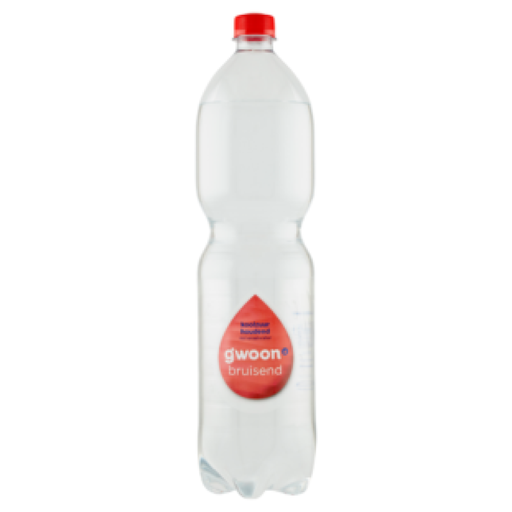
Why it suits this profile: A simple choice for use at home, with meals or in the fridge. The bottle contains 1.5 litres, making it suitable for sharing.
The product information lists only spring water and carbon dioxide, with no sugar, flavourings or sweeteners. This makes the composition easy to understand.
1.5-litre capacity; according to the product information, 0 kcal and 0 grams of sugar per 100 ml.
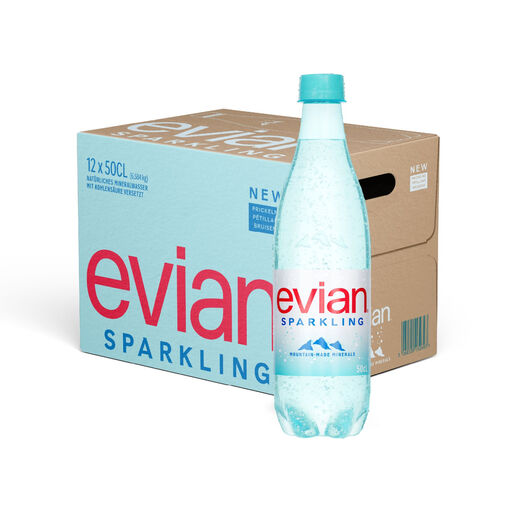
Why it suits this profile: A multipack of 500 ml servings for guests, lunch or use away from home.
The product information describes natural mineral water without flavourings or sugar. The mineral profile is clearly stated per litre.
12 bottles of 500 ml; calcium 80 mg/l and magnesium 26 mg/l according to the product description.
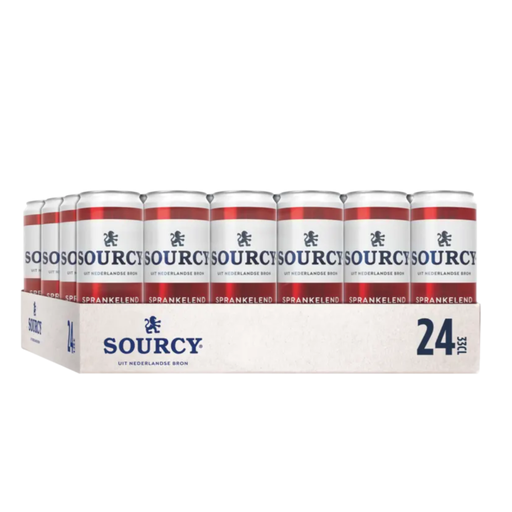
Why it suits this profile: A box of cans is practical for events, workplaces and situations where storing an opened bottle is less convenient.
Each serving is individually packaged, so you don’t need to open a large bottle and keep it chilled afterwards.
24 cans of 330 ml; ingredients according to the product information: natural mineral water and added carbon dioxide.
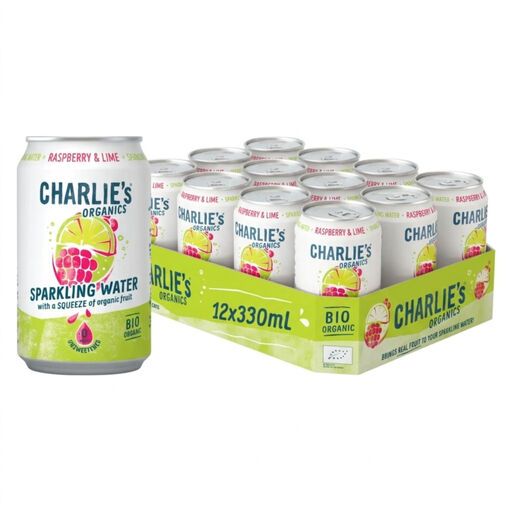
Why it suits this profile: A compact pack with a fruity flavour, ideal to enjoy on its own or as the basis for a mixed drink.
The product information clearly states 4.5% organic raspberry purée and 1.5% organic lime juice. It also lists 2 kcal per 100 ml.
12 cans of 330 ml; 0 grams of sugar per 100 ml according to the nutritional information provided.
We’ve put together a complete, up-to-date list of products that fully meet these strict selection criteria and the applicable European safety regulations.
No, not always. Carbonated mineral water is water with a specific origin and mineral composition. Sparkling water may also be spring water or water with added carbon dioxide. Flavoured options may additionally fall into the category of carbonated soft drinks. So check the product name and ingredients list.
Store an opened bottle according to the instructions on the label, usually tightly closed in the fridge. Direct sunlight and heat can affect the quality. The fizz generally lasts longer if you open the bottle as little as possible and close it carefully afterwards. Check the packaging for the stated period after opening.
That depends on the price per litre, packaging and any offer available. A multipack can be cost-effective if you use sparkling water regularly, but cans and small bottles often contain more packaging material per litre. So compare the total volume and price per litre before you buy sparkling water.
