
Vandaag of morgen in huis

Kwaliteit gegarandeerd

Welkomstaanbiedingen ontgrendelen: GRATIS bezorging | Tot 80% korting | Gratis 30 dagen JoyPlus-proefperiode
Download de app
Buying sparkling water seems simple, until you’re faced with a shelf or online selection full of dozens of options. Are you looking for sugar-free sparkling water, sparkling mineral water to serve with a meal, or flavoured sparkling water as an alternative to soft drinks? The differences aren’t just about taste. Ingredients, serving size, packaging and the quantity in a multipack can all affect how practical a purchase is.
As a Joybuy Product Recommendation Officer, I look for verifiable product information to narrow down the options. That way, you can avoid choosing based only on eye-catching packaging or broad marketing claims.
A product can be sugar-free but still contain sweeteners. According to the product information, Crystal Clear Sparkling Peach Flavoured Water contains 0 grams of sugar and 1 kcal per 100 ml. The ingredients list includes sucralose and acesulfame K, among other ingredients. It gives you a sweet peach flavour without sugar, but it isn’t the same as plain carbonated water.
So, always check:
A 1.5-litre bottle of sparkling water is handy for families, meals and keeping in the fridge. Once opened, the product information says to keep the bottle chilled and use it within the specified period. If you usually drink on your own or take sparkling water with you, cans or 330 ml bottles may be more practical. That way, you’re less likely to leave an open bottle sitting around.
When comparing a sparkling water multipack, don’t just look at the total price. Check the price per litre and consider the risk of waste, too.
Natural mineral water with added carbon dioxide contains water and carbon dioxide. Flavoured sparkling water may also contain fruit juice, natural flavourings, acids or sweeteners. One example is Charlie’s Sparkling Water Lemon, which the product specifications say is made up of 97% carbonated water, 3% organic lemon juice and natural lemon flavouring.
If you’re looking for a neutral taste, sparkling mineral water is a better choice. If you want an alternative to soft drinks, try a lemon, passion fruit, grapefruit or other fruit flavour.
Choose a size to suit how you’ll use it:
For a product such as g’woon Sparkling Mineral Water, check whether you’re buying a single bottle or a pack of five. The product information lists both a 1.5-litre option and a pack of 5 x 1.5-litre bottles.
Plain carbonated water usually contains very few ingredients. For example, the g’woon option lists spring water and carbon dioxide, and the product specifications show 0 kcal and 0 grams of sugar per 100 ml.
Values vary for fruit-flavoured sparkling water. Charlie’s Sparkling Water Lemon lists 1 kcal per 100 ml, while Charlie’s Passionfruit and Grapefruit contain 3 kcal per 100 ml. Raspberry & Lime contains 2 kcal per 100 ml. According to the product information, these varieties contain organic juice and list no sugar in the nutritional information.
Always check the current packaging. Product ingredients can change, so the label on the product is the definitive source.
Cans are easy to take with you and don’t need to be resealed once opened. 1.5-litre bottles are more efficient for home use, but take up more space and gradually lose their fizz after opening.
If you’d like to make your own sparkling water, a reusable bottle could be an alternative. The SodaStream JET Twin Bottle Set contains two 1-litre bottles. According to the product information, these bottles are compatible with various SodaStream machines for home use, but not with DUO, E-DUO or CRYSTAL machines. So, check that your machine is compatible first.
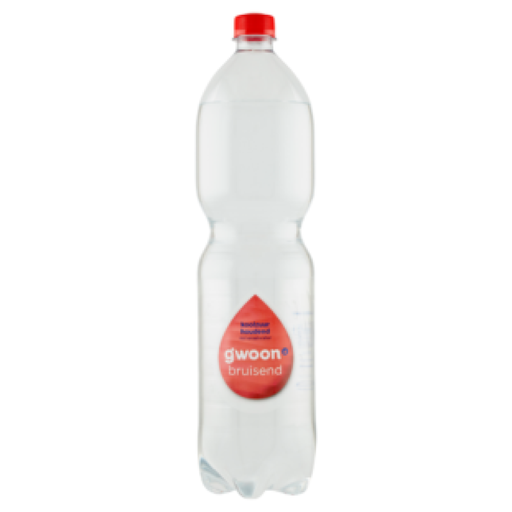
Why it suits this shopper: A straightforward choice for everyday use at home, with meals or as a mixer. The 1.5-litre bottle is ideal for pouring several glasses.
The product information lists only spring water and carbon dioxide, with no sugar or calories. That makes the ingredients easy to understand.
1.5-litre bottle, with 0 kcal and 0 grams of sugar per 100 ml according to the product specifications.
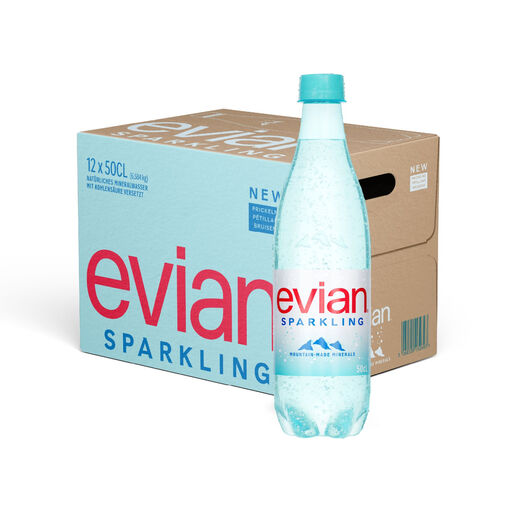
Why it suits this shopper: A good option if you want natural mineral water in individual portions to take out and about, enjoy at the office or have with lunch.
This is natural mineral water with added carbon dioxide, not flavoured sparkling water with sweeteners.
12 x 500 ml bottles, with a listed mineral composition that includes calcium, magnesium and bicarbonates.
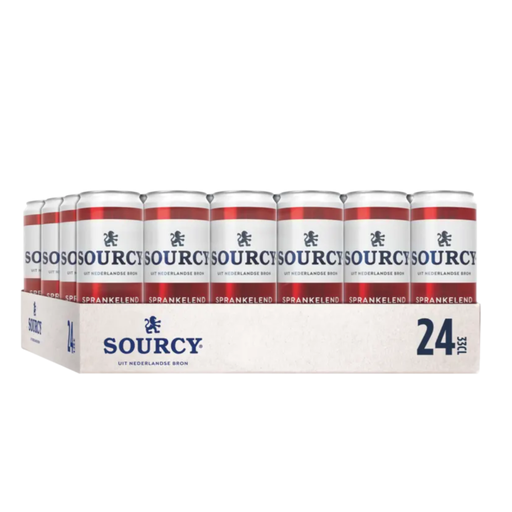
Why it suits this shopper: A multipack for households, hospitality settings, parties or anyone who often needs a small serving of sparkling water.
The 330 ml servings mean fewer opened packs need to be put back in the fridge.
24 x 330 ml cans, made with natural mineral water and added carbon dioxide, according to the product information.
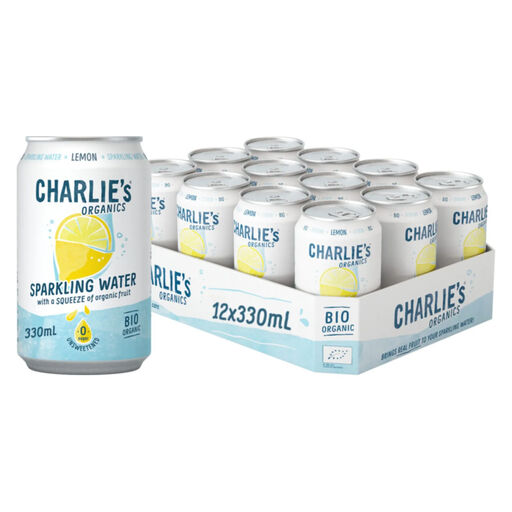
Why it suits this shopper: A refreshing citrus flavour for enjoying at home, as an alternative to soft drinks or as a cocktail mixer.
The product information gives the exact proportions: 97% carbonated water and 3% organic lemon juice.
12 x 330 ml bottles, with 1 kcal and 0 grams of sugar per 100 ml according to the product specifications.
We’ve put together a complete, up-to-date list of products that meet these strict selection criteria and current European safety regulations.
Not always. According to the product specifications, plain sparkling mineral water often contains 0 kcal, but flavoured varieties may contain fruit juice or sweeteners. So, check the nutritional information per 100 ml. A product with sweeteners can be sugar-free and still contain a small number of calories.
A 1.5-litre bottle is better suited to families, meals and keeping in the fridge. Sparkling water cans, such as 330 ml cans, are handier for taking out and about, having visitors or enjoying as a single serving. Also consider your available storage space and the price per litre.
Keep an opened bottle chilled, screw the cap on tightly and follow the instructions on the packaging. Direct sunlight and heat can affect the quality. A smaller bottle or a can is a practical choice if you don’t want to keep an opened bottle in the fridge.
