
Vandaag of morgen in huis

Kwaliteit gegarandeerd

Welkomstaanbiedingen ontgrendelen: GRATIS bezorging | Tot 80% korting | Gratis 30 dagen JoyPlus-proefperiode
Download de app
When you shop for sparkling water online, you'll quickly come across dozens of options: from fizzy mineral water in 1.5-litre bottles to small bottles for on the go and flavoured sparkling water for parties. The differences aren't just about brand or price. Size, ingredients, sugar content, packaging and carbonation level all determine whether a product suits your household, office or hospitality venue.
Carbonated water can be natural mineral water with added carbon dioxide, spring water, or a flavoured soft drink. Always check the ingredients list. A simple version will only list water and carbon dioxide. With sparkling water that contains fruit, there may also be sugar, fruit juice or flavouring added.
So a product with a fruit name isn’t automatically sugar-free sparkling water. The nutritional information per 100 ml will quickly clarify that.
A 1.5-litre bottle of sparkling water is practical for families and mealtimes, but once opened, the fizz gradually fades. For individual use or an office, bottles of 200, 300 or 500 ml can be more convenient. When comparing a bulk pack of sparkling water, don’t just look at the total price – also consider:
A pack of 24 bottles of sparkling water is handy for an event, but may be unnecessarily large for a small household.
“Fruity”, “light” or “natural” on its own tells you nothing about the sugar level. Always check the carbohydrates, of which sugars per 100 ml. For example, g'woon Carbonated Mineral Water Raspberry shows 0 kcal and 0 grams of sugar per 100 ml according to the product information. The Hope version with hawthorn, on the other hand, contains 9 grams of sugar per 100 ml. These are different product types, even though both are carbonated.
If you want pure mineral water with fizz, choose a product whose ingredients list is limited to natural mineral water and carbon dioxide. Examples include Spa Intense, San Pellegrino, Bar Le Duc and various g'woon options.
Flavoured sparkling water may contain fruit juice, fruit concentrate, natural flavourings or herbal extracts. If you have allergies, always check the label on the packaging you receive. The online product information is useful for an initial selection, but the packaging remains definitive.
Choose the volume based on how you’ll use it:
A pack of 24 x 300 ml contains 7.2 litres in total. A pack of 24 x 500 ml contains 12 litres. This calculation helps you compare the price per litre fairly.
For unsweetened sparkling water, you’ll typically see 0 kcal and 0 grams of sugar per 100 ml. Flavoured versions can contain energy and sugar. When choosing between sugar-free sparkling water and sparkling water with fruit juice, the nutrition table is therefore more important than the front of the pack.
The intensity of the fizz also varies. Spa Intense is described in the product information as intensely sparkling, while g'woon Mineral Water Sparkling Light has a lighter fizz. The texture you prefer is personal: intense carbonation suits those who want plenty of fizz, while a lighter sparkle can be more pleasant with a meal or as a mixer.
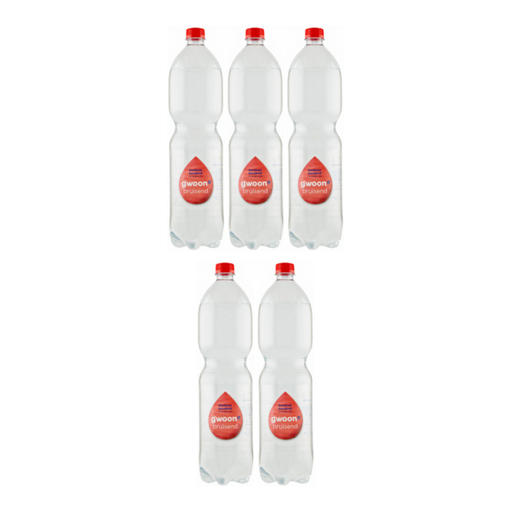
Why this fits the profile: The set contains five 1.5-litre bottles, making it straightforward for daily use, meals and filling glasses or carafes.
The product information lists spring water and carbon dioxide as ingredients, with 0 kcal and 0 grams of sugar per 100 ml. This makes the difference from sweetened flavoured sparkling water clear.
1.5 litres per bottle, five per pack, with no sugar and no calories according to the product listing.
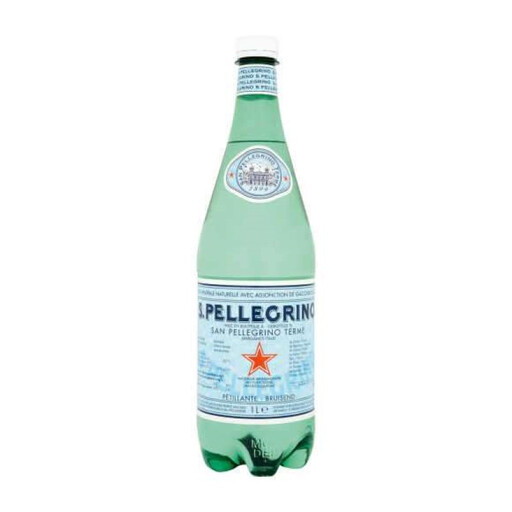
Why this fits the profile: The 1-litre bottle is ideal for serving at the table, with dinner or alongside wine and dishes.
The ingredients list is limited to natural mineral water and carbon dioxide. So there are no added sugars or fruit flavours to consider.
1 litre per bottle, natural mineral water, 0 kcal and a gentle fizz according to the product description.
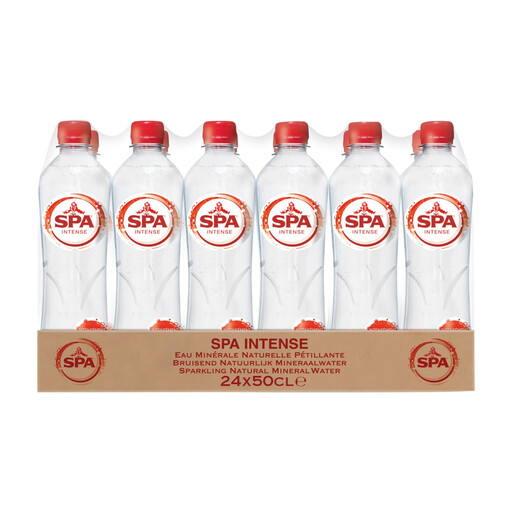
Why this fits the profile: The pack of 24 individual 500 ml bottles suits offices, meeting rooms, hospitality venues and events.
The fixed number and size make stock management simple. You don’t need to re-chill or divide a large opened bottle.
24 x 500 ml, natural mineral water, described as low in minerals and low in sodium according to the product information.
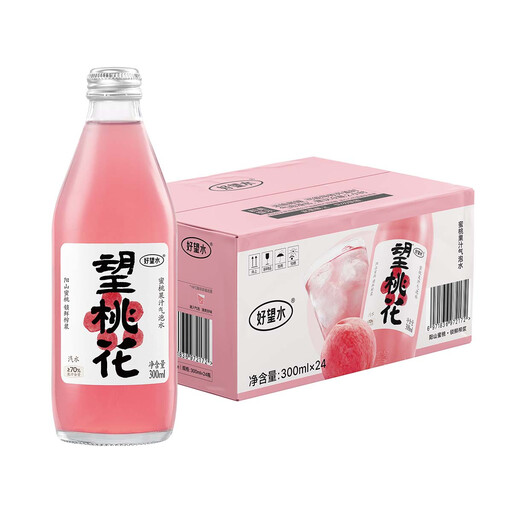
Why this fits the profile: Small bottles with peach and fruit juice are ideal for parties, barbecues, spicy meals and moments when you want to serve something other than plain water.
The product information clearly states 8.7% peach juice, 31 kcal and 7.5 grams of sugar per 100 ml. This lets you honestly distinguish the sweeter fruit taste from sugar-free sparkling water.
24 bottles of 300 ml, fruit juice in the recipe and, according to the product listing, no artificial colours, flavourings or preservatives.
We’ve put together a full, up-to-date list of products that fully meet these strict selection criteria and comply with current European safety regulations.
Store sparkling water in a cool, dry place, out of direct sunlight and away from excessive heat. Before buying, check that you have enough space for the bulk pack you choose. A pack of 24 bottles of sparkling water takes up more room than five 1.5-litre bottles, but it’s easier to hand out individually.
Chill the bottle before opening. Open carefully and seal an opened bottle tightly. Then keep it in the fridge and follow the date on the packaging. On delivery, also check the seal and the best-before information.
For hospitality and cocktails, small bottles or cans are often more practical. For a family, 1.5-litre bottles of sparkling water are usually more efficient to use. If you want to avoid sugar, you can choose plain mineral water with fizz or a version whose nutritional information shows 0 grams of sugar.
Not always. Sparkling water is a broad term for water with carbon dioxide. Mineral water with fizz comes from a designated natural source and has a specific mineral composition. Flavoured versions can also contain fruit juice, flavouring or sugar. So read both the product name and the ingredients list.
That depends on the size, the seal and how often the bottle is opened. In general, carbon dioxide gradually loses its fizz after opening. Seal the bottle immediately and keep it chilled. For single use, small bottles keep the amount per serving manageable.
It can be, but not automatically. Calculate the price per litre and compare it with the number of bottles. Also consider storage space, delivery, packaging material and the chance that a large bottle won’t be drunk in time. For an office or event, a bulk pack of sparkling water can be practical; for occasional use, a smaller pack may make more sense.
