
Vandaag of morgen in huis

Kwaliteit gegarandeerd

Welkomstaanbiedingen ontgrendelen: GRATIS bezorging | Tot 80% korting | Gratis 30 dagen JoyPlus-proefperiode
Download de app
Sparkling mineral water might seem like a simple purchase, but the range varies considerably. You’ll find 500 ml bottles, 1.5 litre sparkling water, glass bottles for dinner parties and a sparkling water multipack for the whole household. The terms sparkling water, carbonated mineral water and fruit-flavoured mineral water are also not always used in the same way.
If you only look at the brand or the front of the bottle, you could end up paying more for a product that doesn’t really suit how you’ll use it. So make sure you check the following points.
A product with lemon, mango or berry flavour isn’t automatically pure sparkling mineral water. Check the ingredients list. It will tell you whether the product contains only natural mineral water and carbon dioxide, or also fruit juice, sugar, sweeteners and flavourings.
A product can show 0 grams of sugar and 0 kcal per 100 ml on the nutrition label and still have a fruit flavour. This is the case, for example, with certain g’woon and Spa varieties. Other drinks, such as Spa Fruit, do contain sugar. So the name and nutritional values on the label are more important than the picture of fruit on the packaging.
The level of fizz is a matter of preference and use. Lightly sparkling water often suits people who want a gentle tingle with their meal. Intensely sparkling water has noticeably more carbonation and can be pleasant as a standalone thirst-quencher or mixer.
Brands use different descriptions for this. So look at the product name and description, but bear in mind that the exact amount of carbon dioxide isn’t always stated. For example, Spa Finesse lists natural carbon dioxide at 3.8 g/l. That’s a verifiable product specification, whereas “extra refreshing” is mainly a marketing description.
A 1 litre bottle can sometimes seem cheaper than a multipack, but the price per litre may work out differently. So calculate:
total price ÷ total number of litres = price per litre
A pack of 24 x 500 ml contains 12 litres. A pack of 6 x 1.5 litres contains 9 litres. Also consider storage space, bottle deposit and the weight of the delivery. Small bottles are practical for on the go, while large bottles are often more convenient for a household.
For sugar-free mineral water, the nutrition label should show no sugar. Also check the ingredients:
The information on this page is based on the product descriptions provided. Always check the label on delivery, as packaging and recipes can change.
Choose lightly sparkling water for everyday drinking if you enjoy a mild carbonation tingle. For a festive table or a mixer, intensely sparkling water may be a better fit. For cocktails, the format also matters: 330 ml cans or small bottles help reduce waste when not everyone is drinking the same thing.
A 1.5 litre sparkling water is suitable for the fridge and shared use during meals. A multipack of 500 ml bottles is easier to divide per person, but takes up more storage space. Also check whether the bottle is made from PET, glass or another material, and follow your local recycling rules.
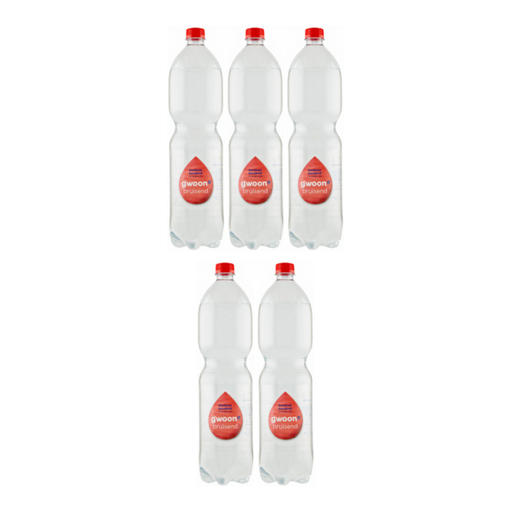
Why this fits the profile: Five 1.5 litre bottles are practical for daily use, meals and keeping a shared fridge stocked. The product description states 0 kcal and 0 grams of sugar per 100 ml.
The contents and nutritional values are clearly stated, so you don’t have to rely solely on the front of the packaging.
5 x 1.5 litres; 0 kcal and 0 grams of sugar according to the product information; suitable for shared use.
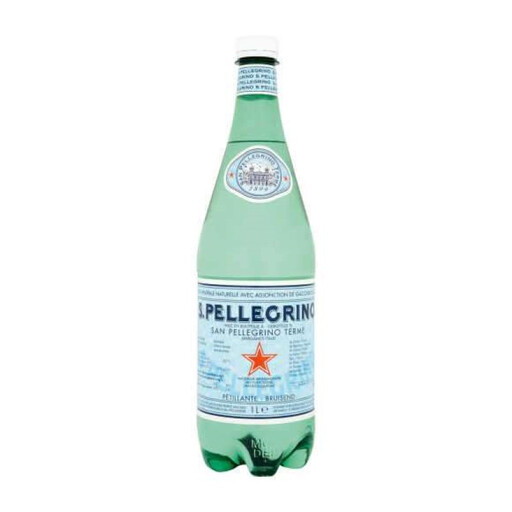
Why this fits the profile: The 1 litre bottle is designed for serving with meals. According to the product description, the water has a gentle fizz and a mineral profile for use alongside food and wine.
The product information lists natural mineral water, carbon dioxide and a 1 litre volume, with no added fruit flavour or sugar.
1 litre; 0 kcal and 0 grams of sugar according to the nutrition label; natural mineral water with carbon dioxide.
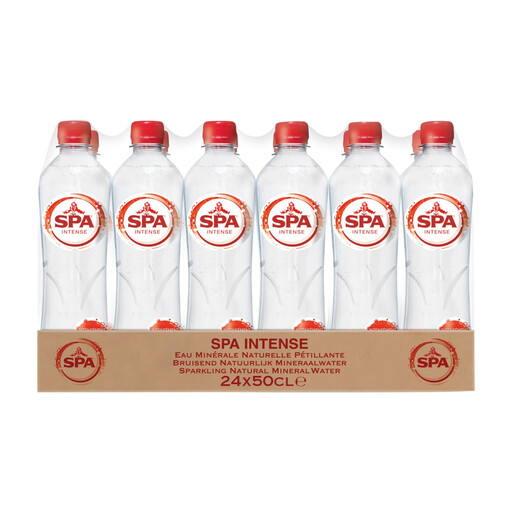
Why this fits the profile: The 24 small PET bottles are suitable for the office, gatherings, on the go or a household where individual portions are often used.
The packaging states both the number of bottles and the volume per bottle. This allows you to compare stock and price per litre correctly.
24 x 500 ml; intensely sparkling according to the product name; low mineral content and 5 mg sodium per litre according to the description.
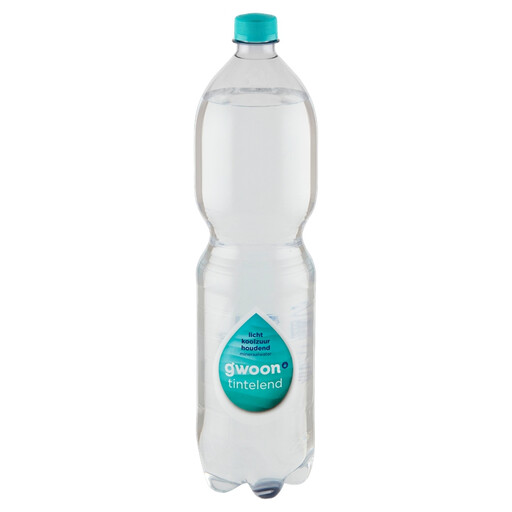
Why this fits the profile: The product name and description mention a light fizz. The 1.5 litre bottle suits relaxed daily use and serving with meals.
The variant is clearly distinguished from intensely sparkling water. The ingredients list states natural mineral water and carbon dioxide.
Lightly sparkling; 1.5 litres; 0 kcal and 0 grams of sugar according to the product information; stated calcium value of 104 mg/l.
We’ve put together a full, up-to-date list of products that fully meet these strict selection criteria and comply with current European safety regulations.
No. Pure sparkling mineral water typically contains water and carbon dioxide and often shows 0 grams of sugar on the label. Mineral water with fruit flavour or a sparkling fruit drink can contain sugar, fruit juice or sweeteners. So always check the ingredients and nutritional values per 100 ml.
Store an opened bottle in the fridge, close the cap tightly and follow the instructions on the packaging. Carbon dioxide can gradually escape after opening. A large bottle is therefore mainly practical when several people are drinking from it; for individual use, a 500 ml bottle can help reduce waste.
That depends on the promotional price, the format and the total volume. Compare the price per litre and factor in any bottle deposit costs. A multipack is especially handy if you use sparkling water regularly. If you buy less often, a single bottle may be more suitable both financially and practically.
