
当日/次日达

品质保障

开启新人专享福利: 全场免邮 | 低至 2 折 | 免费试用 30 天 JoyPlus 会员
下载 Joybuy
Sparkling mineral water may seem like a simple purchase, but there’s a big difference between a gentle fizz, a lively sparkle, a sugary soft drink and genuine natural mineral water. If you choose based only on the brand or an attractive multipack price, you could end up with a product that isn’t right for everyday use, a meal or a party.
The main things to watch out for are:
Natural mineral water comes from a recognised source and has a consistent mineral composition. Its carbonation may occur naturally or be added. So check the ingredients list. Pure sparkling water usually lists only natural mineral water and carbon dioxide.
A fruit-flavoured product can still be low in calories or sugar-free, but it isn’t the same as pure mineral water. For example, according to its product information, g’woon Blueberry Sparkling Mineral Water contains natural mineral water and natural blueberry flavouring, with 0 kcal and 0 grams of sugar per 100 ml. It’s a good choice if you want a sugar-free flavour, but not if you’re looking for plain water only.
Also watch out for soft drinks. According to its label, Schweppes Agrumes contains sugar, orange extracts, flavourings and sweeteners, among other ingredients. Its nutritional values are 28 kcal and 6.6 grams of sugar per 100 ml. It’s a carbonated citrus drink, not sugar-free mineral water.
The terms lightly sparkling mineral water and strongly sparkling mineral water mainly describe the amount of carbonation and the drinking experience. A gentle fizz often goes well with a relaxed meal or suits people who prefer less sparkle. Strongly sparkling water stands out in a glass and also works well as a mixer.
The product information for Spa Finesse Light Sparkling 1 litre lists 3.8 grams of natural carbon dioxide per litre. Spa Intense Sparkling, by contrast, is described as intensely sparkling. It comes down to personal preference, but it’s worth checking:
Many households look for sugar-free or low-calorie mineral water for everyday use. Pure sparkling water usually contains no sugar and few, if any, calories. Flavoured varieties may be the same, but always check the label.
The mineral content affects the taste. For example, Spa Finesse lists 11 mg of calcium, 5.5 mg of magnesium and 9 mg of sodium per litre. Bar-le-Duc Natural Sparkling Mineral Water lists 54 mg of calcium, 3.7 mg of magnesium and 10.7 mg of sodium per litre. This means their mineral compositions are objectively different.
For taking with you, 200 ml or 330 ml bottles are handy. A 1.5-litre bottle is better suited to families, dinner parties and mixers. If you get through a lot, compare bulk mineral water by:
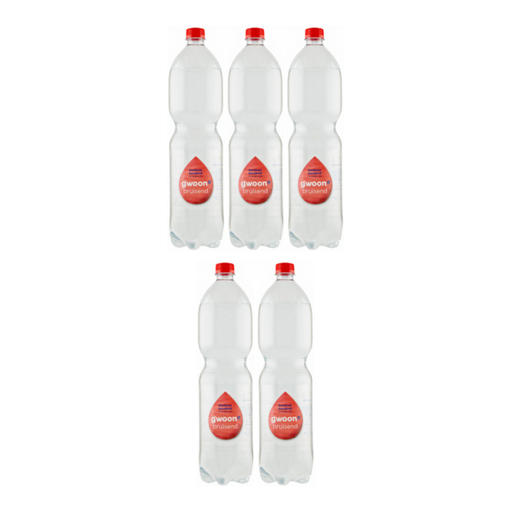
Why it suits this need: The pack of five 1.5-litre bottles is designed for families and everyday use.
The product information lists 0 kcal, 0 grams of sugar and only spring water and carbon dioxide as ingredients.
1.5 litres per bottle, ideal for sharing, with no sugar or calories according to the product listing.
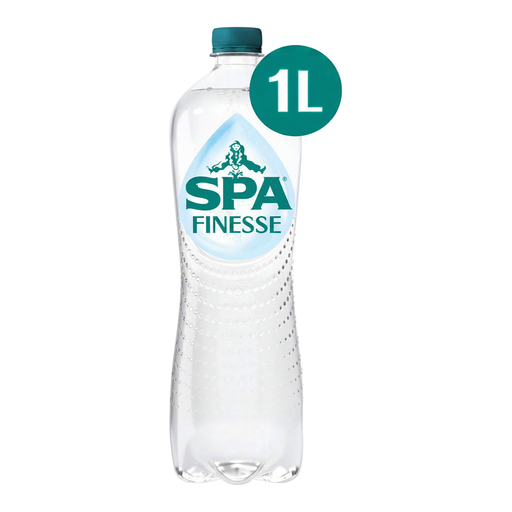
Why it suits this need: A Belgian option for anyone who prefers a gentle fizz and low mineralisation.
The product description clearly states that it has a light fizz, 0 kcal and a mineral analysis per litre.
1 litre, 3.8 grams of carbon dioxide per litre, and low sodium and dry residue levels according to the label.
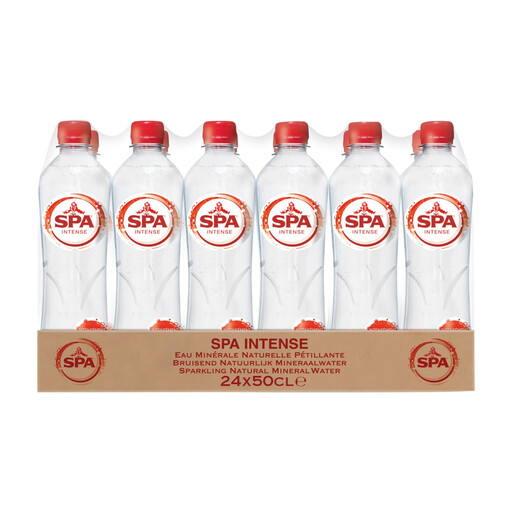
Why it suits this need: The case of 24 bottles is practical for get-togethers, restaurant-style use at home or keeping a supply on hand for when you’re out and about.
The bottle size means you won’t have a large bottle sitting open in the fridge for too long; each serving is 500 ml.
24 PET bottles, intensely sparkling, with 500 ml per bottle and 5 mg of sodium per litre according to the listing.
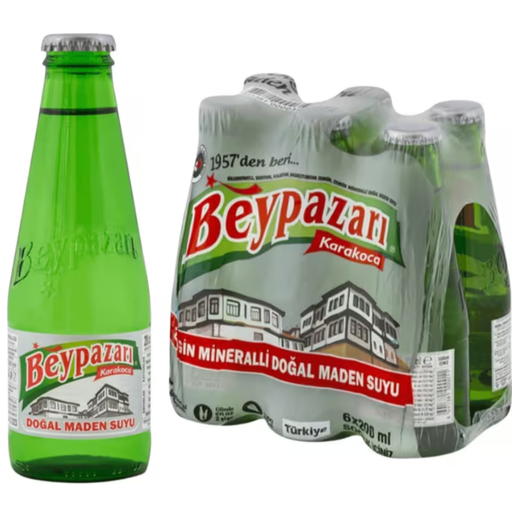
Why it suits this need: Small glass bottles are ideal with Turkish meals, for drinks with friends and for serving individually.
The product details list no sugar, fat or calories and show the mineral composition per litre.
Six 200 ml bottles from Turkey, containing calcium, magnesium and bicarbonate, among other minerals, according to the product information.
We’ve put together a complete, up-to-date list of products that meet these strict selection criteria and the applicable European safety regulations.
Not always. Sparkling water is a broad term for water with added or naturally occurring carbonation. Natural mineral water comes from a recognised source and has a distinctive mineral composition. Check the ingredients and product category on the label.
It depends on the temperature, the type of cap and how often the bottle is opened. Keep an opened bottle chilled, replace the cap tightly and ideally drink the water within the time stated on the packaging. A smaller bottle can help reduce waste and the loss of carbonation.
Some varieties are, while others aren’t. G’woon Blueberry lists 0 kcal and 0 grams of sugar per 100 ml. Kızılay Nar Aromalı Maden Suyu, on the other hand, lists 64 kcal and 16 grams of sugar per 200 ml bottle. So if you’re looking for sugar-free mineral water, it’s worth comparing the nutrition table with the ingredients list.
