
当日/次日达

品质保障

开启新人专享福利: 全场免邮 | 低至 2 折 | 免费试用 30 天 JoyPlus 会员
下载 Joybuy
Sparkling mineral water is a popular thirst-quencher, a great accompaniment to meals, and a sugar-free alternative to fizzy drinks. Yet many bottles and multipacks can look very similar. The differences lie in the level of carbonation, the mineral content, the size, and the ingredients.
If you only focus on the brand name or a flashy label, you could end up buying a product that doesn't suit your everyday needs. This practical buying guide will help you compare sparkling mineral water, carbonated water and fizzy mineral water based on verifiable product information.
Flavoured water can vary a great deal. Some varieties contain only natural flavouring and no sugar, while others do contain carbohydrates and sugar.
For example, Beypazari Limonlu Soda lists mineral water, carbon dioxide and natural lemon flavouring as ingredients, but also states 26 kcal and 6.5 g of sugar per 100 ml. So if you're specifically looking for lemon sparkling water without sugar, it's wise to check the nutritional information panel rather than just looking at the front of the bottle.
One bottle might have a gentle fizz, while another offers a more intense carbonation experience. Terms like “light sparkling” and “intense sparkling” give you an initial idea, but the exact sensation will depend on the product and the serving temperature.
For everyday drinking, lightly sparkling mineral water can be more pleasant. At mealtimes or as an alternative to fizzy drinks, some consumers prefer a more pronounced carbonation kick.
A 1.5-litre bottle is practical for a family or for stocking the fridge, but once opened, the fizz will fade. Small bottles or cans are more convenient for on-the-go, the office, or with lunch. So don't just compare the price per pack; also compare the volume per bottle, the number of bottles, and how you plan to use the water.
Plain carbonated water typically contains water and carbon dioxide. With flavoured varieties, check for:
For a mineral water without sugar or low-calorie sparkling water, the nutritional information panel should be your guide. In the range, for example, SPA Touch Sparkling Lemon and SPA Touch Sparkling Grapefruit are listed with 0 kcal and 0 g of sugar per 100 ml. Beypazari Limonlu Soda differs from this, despite its refreshing lemon taste.
The mineral content influences the composition and can also contribute to a different taste experience. Pay particular attention to:
For instance, the product specifications for Spa Intense mention a low mineralisation and 5 mg of sodium per litre. evian Sparkling lists 80 mg of calcium, 26 mg of magnesium and 360 mg of bicarbonates per litre. According to the product information, Beypazari Sade Soda shows higher values, including approximately 205.867 mg of calcium and 124.588 mg of magnesium per litre.
These figures aren't a reason to attach health claims to a product. They mainly help you to objectively compare different waters.
Choose the size based on how you'll use it:
Also check whether it's PET bottles, glass bottles, or cans. Glass bottles are often better for serving at the table, while PET and cans can be more practical for transport. Store sparkling water according to the label: cool, dry, and out of direct sunlight. Open carbonated bottles carefully and keep an opened bottle refrigerated.
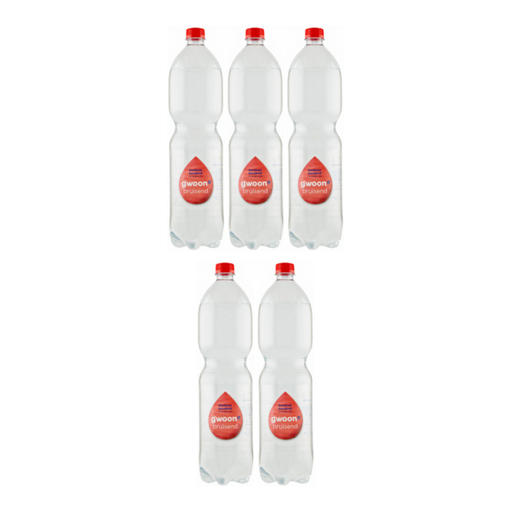
Why this fits: A multipack of 1.5-litre bottles is practical for households that drink sparkling water daily and want to keep a stock in the fridge.
The product information states 0 kcal and 0 g of sugar per 100 ml. Always check the current label upon receipt, though.
1.5 litres per bottle, 5 bottles per pack, and ingredients consisting of spring water and carbon dioxide.
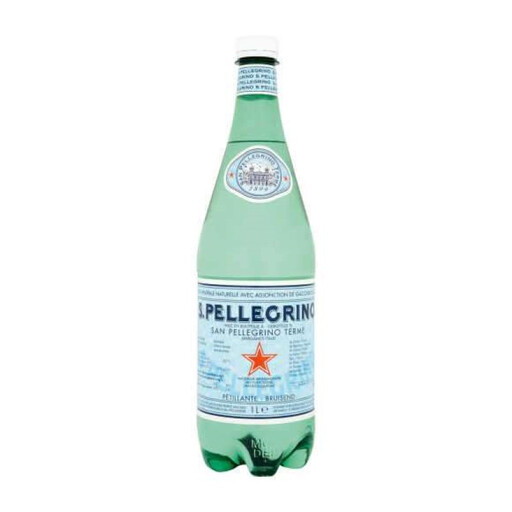
Why this fits: A 1-litre bottle is ideal for serving with a meal or for an occasion where presentation matters.
The product description mentions natural mineral water with carbon dioxide. The 1-litre pack means you don't have to open a large bottle for each person.
0 kcal and 0 g of sugar according to the product information, with a stated balanced mineral composition.
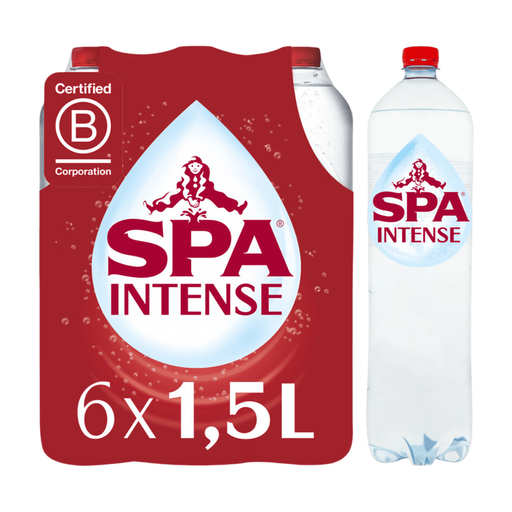
Why this fits: The combination of six large bottles suits families, mealtimes, and households that regularly stock up on fizzy mineral water.
The specifications describe the water as intensely sparkling, low in minerals and low in sodium. This lets you assess fizz strength and composition at the same time.
24 bottles of 500 ml are also available for a different use case; this variant contains 6 bottles of 1.5 litres and states 5 mg of sodium per litre.
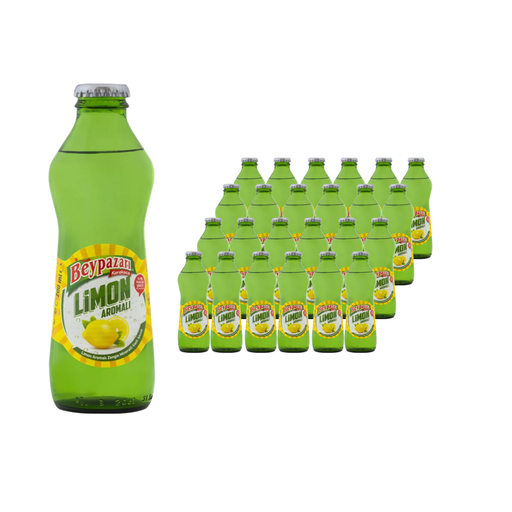
Why this fits: The small size is handy for on-the-go, lunchboxes, or a chilled bottle without having to open a large one.
The product information mentions a light fizz and natural lemon flavouring, but also 6.5 g of sugar per 100 ml. So this is not a sugar-free choice.
24 bottles of 200 ml, with no artificial colours or preservatives according to the product description.
Browse a current selection of sparkling natural mineral water and compare size, flavour, carbonation and nutritional values before you order.
Not always. “Carbonated water” refers to water that has had carbon dioxide added or that contains carbonic acid. Natural mineral water, on the other hand, has a specific origin and a defined mineral composition. Always check the ingredients and product description on the label.
This varies by flavour and brand. Products such as g'woon Sparkling Mineral Water, SPA Intense and SPA Touch are listed in the available product information as having 0 g of sugar per 100 ml. Beypazari Limonlu Soda does list sugar. So always look at the nutritional information panel and the ingredients list.
That depends on the closure, the temperature, and how often the bottle is opened. After opening, store the bottle in the fridge, screw the cap on tightly, and follow the instructions on the packaging. Small bottles are often more practical if you want to drink the water in one go.
