
Vandaag of morgen in huis

Kwaliteit gegarandeerd

Welkomstaanbiedingen ontgrendelen: GRATIS bezorging | Tot 80% korting | Gratis 30 dagen JoyPlus-proefperiode
Download de app
Sparkling mineral water is handy for dinner, on the go, in the office or as a mixer. Yet many bottles and multipacks look similar. A low price per bottle can be less appealing if you mainly buy small packs. Also, a carbonated soft drink is sometimes presented as mineral water, even though sweeteners, fruit juice or sugar have been added.
With these checkpoints, you can compare sparkling mineral water, carbonated mineral water and other fizzy drinks in a practical way.
Always check the ingredients list. For natural products such as Spa Intense Sparkling and San Pellegrino Mineral Sparkling Water, the ingredients are natural mineral water and carbon dioxide. A lemon-flavoured product, on the other hand, may contain acidity regulators, preservatives or sweeteners.
A flavoured variant is therefore not automatically the same as sugar-free sparkling water or calorie-free mineral water. Look at the nutritional values per 100 ml, not just the front of the packaging.
A pack of 24 small bottles may look large, but it could contain fewer litres than a multipack with 1.5-litre bottles. So work out the total volume:
Then compare the price per litre. This is especially relevant for families, offices and hospitality customers looking for mineral water in bulk.
The taste of natural mineral water is partly linked to its mineral composition. Look out for calcium, magnesium, sodium and bicarbonate. A low mineral content often gives a more subtle flavour profile, while water with higher mineral levels can taste more pronounced.
The values differ by source and brand. Use the product packaging as the definitive source, as compositions and packaging information can change.
For sugar-free sparkling mineral water, check three things:
A sparkling water with lemon or a sparkling water with raspberry flavour can also be sugar-free, but this varies by product. For example, G'woon Sparkling Mineral Water Raspberry lists natural raspberry flavouring and 0 kcal per 100 grams. Beypazari Limonlu Soda, on the other hand, lists 26 kcal and 6.5 grams of sugar per 100 ml. The difference is visible on the label.
With flavoured variants, note the difference between flavouring, fruit juice and sugar. According to the product information, Charlie's Sparkling Water Lemon contains 3% organic lemon juice and 1 kcal per 100 ml. That's a different composition from a product with flavouring only.
A 1.5-litre bottle is practical for the fridge and shared use. Small bottles of 200 or 330 ml are easier to take with you and serve. PET bottles are generally lighter than glass bottles; glass packaging can be more suitable for table settings or hospitality.
Also check the storage advice. Store sparkling water in a cool place, out of direct sunlight and away from heat. After opening, the bottle should be kept tightly closed and refrigerated. This helps maintain the quality of the fizz.
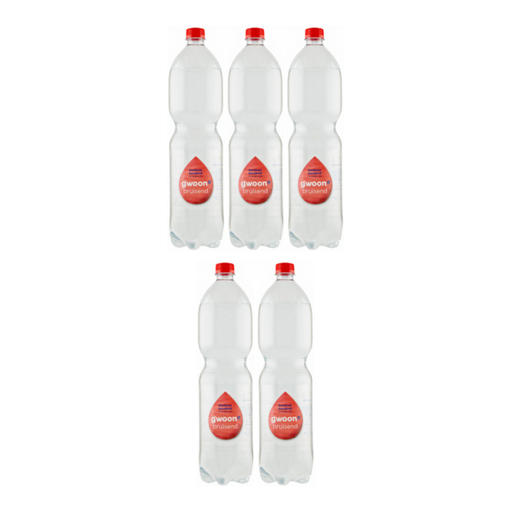
Why this fits the profile: The pack contains five 1.5-litre bottles for daily use, shared meals or stocking up the fridge.
The total volume is clear: 7.5 litres. Per 100 ml, the product information states 0 kcal and 0 grams of sugar.
1.5-litre format, natural sparkling water and ingredients according to the product information: spring water and carbon dioxide.
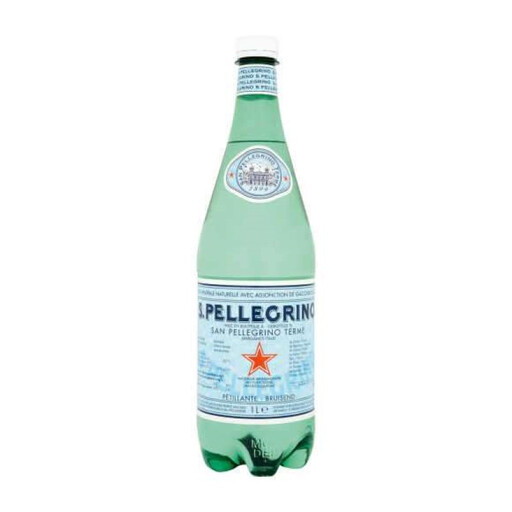
Why this fits the profile: The 1-litre size is ideal for serving at the table, with meals or in a hospitality setting.
The product information lists natural mineral water and carbon dioxide, with no sugar or calories in the nutritional table.
Origin: Italy; ingredients: natural mineral water and carbon dioxide; net volume: 1 litre.
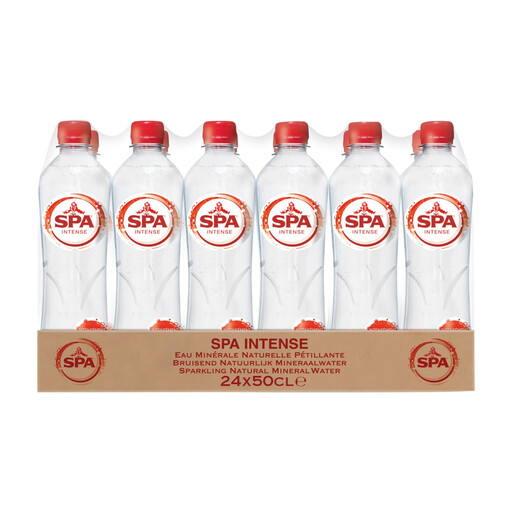
Why this fits the profile: The 24 individual 500 ml PET bottles are ideal for events, offices, sports clubs or daily on-the-go use.
The packaging states both the number of bottles and the volume. The mineral analysis per litre makes comparison easier.
24 × 500 ml, intensely sparkling according to the product description and a low mineral and sodium content according to the stated analysis.
We've put together a full, up-to-date list of products that fully meet these strict selection criteria and current European safety regulations.
The terms are often used interchangeably in shops. To be sure, check the ingredients. Natural mineral water with carbon dioxide typically contains mineral water and carbon dioxide. Fizzy soft drinks may also contain sugar, fruit juice, flavourings, acids or sweeteners.
That depends on temperature, the seal and how often the bottle is opened. Close the bottle immediately after use and store it chilled. A smaller bottle can be practical if you want to drink or serve the contents in one go.
Not always. Natural carbonated mineral water often states 0 kcal on product labels, but flavoured variants can contain sugar or fruit juice. For example, Beypazari Limonlu Soda lists 26 kcal per 100 ml, while G'woon Raspberry Sparkling Mineral Water lists 0 kcal per 100 grams. So always compare the nutritional table and ingredients list.
