
Vandaag of morgen in huis

Kwaliteit gegarandeerd

Welkomstaanbiedingen ontgrendelen: GRATIS bezorging | Tot 80% korting | Gratis 30 dagen JoyPlus-proefperiode
Download de app
Sparkling mineral water is popular with meals, on the go and as an alternative to soft drinks. Yet online, bottles and multipacks can look more alike than they really are. Differences can include the source, added carbon dioxide, mineral content and pack size.
If you only look at the brand or packaging, it’s easy to choose a product that doesn’t suit your everyday needs. Use the checks below to compare sparkling water, sparkling mineral water and flavoured varieties in a practical way.
Labels may use terms such as naturally sparkling mineral water, sparkling water or carbonated water. They don’t automatically mean the same thing. Some products contain carbon dioxide naturally from the source; in others, carbon dioxide is added.
So always check the ingredients list. If it says, for example, “natural mineral water, carbon dioxide”, that means carbon dioxide has been added. This is more reliable than judging by an image of fizzy bubbles alone.
Flavoured sparkling water may contain fruit, juice, sweeteners or sugar. So a product with a refreshing lemon or peach flavour won’t necessarily have the same nutritional values as plain mineral water.
Check the following per 100 ml:
For example, Charlie’s Sparkling Water Lemon lists 1 kcal per 100 ml and 3% organic lemon juice. The Orange & Mandarin variety contains 2 kcal per 100 ml and 4.5% organic juice. These product specifications differ from those of plain water.
A 1.5-litre bottle can be practical for a household, but once opened, it gradually loses its fizz. Smaller bottles or cans are more convenient for taking out and for individual portions, but may cost more per litre.
So compare the price per litre, not just the price of the pack. Also check whether you’re buying a single bottle, a five-pack or a multipack of mineral water.
The mineral analysis is usually listed per litre. Pay particular attention to sodium, calcium, magnesium and bicarbonate. If you’re keeping an eye on your salt intake, compare products with a low sodium content.
Bar-le-Duc Natural Sparkling Mineral Water lists 10.7 mg of sodium, 54 mg of calcium and 185 mg of bicarbonate per litre. Spa Intense lists 5 mg of sodium, 5.5 mg of calcium and 18 mg of bicarbonate per litre. These figures show how much mineral waters can vary.
The information on the packaging is the best guide. Descriptions such as “rich in minerals” don’t tell you much on their own without specific values.
If you drink sparkling water every day, plain carbonated water is a straightforward choice. G’woon Mineral Water Sparkling Light lists 0 kcal and 0 grams of sugar per 100 ml. It also has a short ingredients list: natural mineral water and carbon dioxide.
Flavoured sparkling water can be an alternative if you’d like more taste. According to the product information, Charlie’s Sparkling Water Passionfruit contains 95% carbonated water and 5% organic juice, with 3 kcal per 100 ml. Genki Forest White Peach lists 0 kcal and 0 grams of sugar per 100 ml, but does contain sweeteners. So always check the label if you’re looking for low-calorie sparkling water.
Choose a size to suit your needs:
Also check the packaging material. Bar-le-Duc lists a bottle made from 100% recycled plastic. According to the product information, Spa Intense uses recycled plastic. Beypazari Sade Soda 6 x 200 ml comes in glass bottles. Glass feels sturdy, but it’s heavier to transport and store.
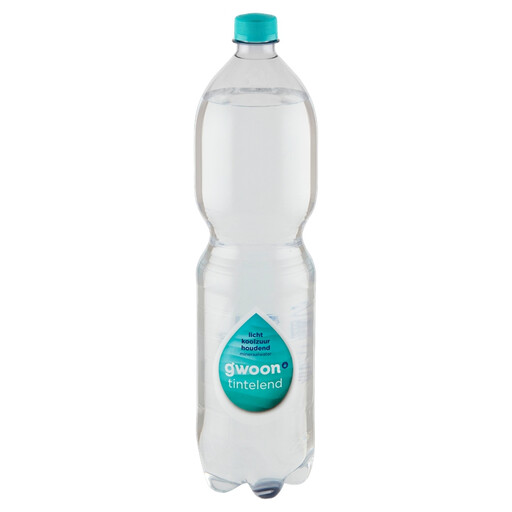
Why it suits this profile: The 1.5-litre bottle is ideal for everyday use at home and with meals. The product information lists 0 kcal and 0 grams of sugar per 100 ml.
The nutritional values and ingredients are clearly listed, so you won’t mistake a flavoured variety for plain sparkling water.
1.5-litre capacity, 0 kcal and 0 grams of sugar per 100 ml; ideal for the fridge and family use.
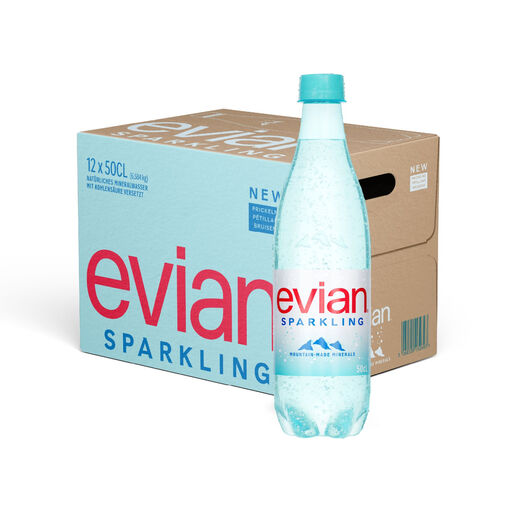
Why it suits this profile: The 500 ml bottles offer a convenient individual portion for serving, work or taking out. The product information lists, among other minerals, 80 mg of calcium and 6.5 mg of sodium per litre.
The packaging specifies the mineral content per litre, so you can compare the composition rather than choosing based on the brand name alone.
12 x 500 ml bottles; detailed mineral analysis covering calcium, magnesium, sodium and bicarbonate.
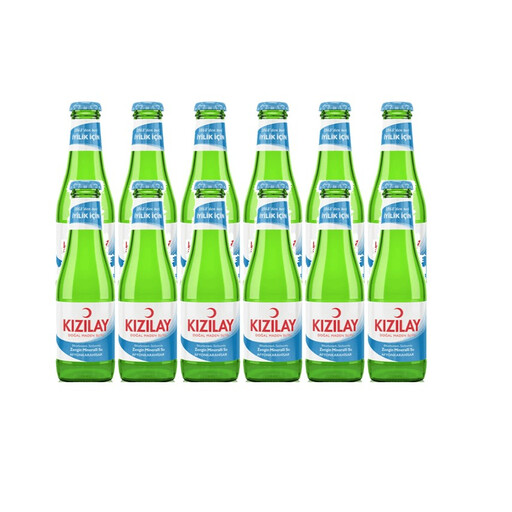
Why it suits this profile: The small glass bottles are ideal with Turkish meals, for social occasions or for serving individually. The product description lists a total mineral analysis of 3480 mg/l.
The size means you won’t leave a large bottle open for too long. The mineral analysis is listed, so you can choose Turkish mineral water based on its composition.
12 x 200 ml glass bottles; high stated mineral levels and a portion-sized format.
We’ve put together a complete, up-to-date list of products that meet these strict selection criteria and comply with current European safety regulations.
Not always. Sparkling water is a general term for water with added carbon dioxide. Mineral water also comes from a specific source and has a stated mineral composition. Check the label to see whether it’s natural mineral water, spring water or another carbonated drink.
That depends on the closure, temperature and amount of carbon dioxide. Keep an opened bottle chilled, close the cap tightly and follow the instructions on the packaging. To keep the fizz for longer, a smaller bottle is often more practical than a large one left open for several days.
No. Some varieties contain sugar, while others contain fruit juice or sweeteners. Charlie’s Sparkling Water products list few calories per 100 ml, while Schweppes Citrus Tonic Water lists 5.7 grams of sugar per 100 ml. So always check the nutrition table and ingredients list before choosing a product.
