
Vandaag of morgen in huis

Kwaliteit gegarandeerd

Welkomstaanbiedingen ontgrendelen: GRATIS bezorging | Tot 80% korting | Gratis 30 dagen JoyPlus-proefperiode
Download de app
Sparkling mineral water might seem simple to choose: plain, with lemon, or in a large bottle. Yet there are clear differences between carbonated mineral water, flavoured water and soft drinks. If you only look at the front of the packaging, you could end up with a product that doesn't suit your intended use, taste or nutritional needs.
Three common pitfalls to watch out for:
For sugar-free mineral water or calorie-free mineral water, start by checking the ingredients list, then the nutritional information table. Plain sparkling water typically contains just water and carbon dioxide. Flavoured varieties may also include lemon flavouring, fruit juice, acidity regulators, preservatives or sweeteners.
A product with 0 grams of sugar isn’t automatically the same as plain water. For example, a variety with sweeteners may contain virtually no calories, but still have a different composition. If you want as few additives as possible, you’ll usually choose a product whose ingredients list is limited to natural mineral water and carbon dioxide.
The terms lightly sparkling water, sparkling water and intensely sparkling water are best understood in practical terms:
The product information should be your guide. For instance, SPA Intense is described as an intensely sparkling variety, while g'woon Mineral Water Sparkling Light is explicitly offered as lightly sparkling.
A 1.5-litre mineral water works well in the fridge, on the table or with a family meal. A multipack of five or six bottles reduces how often you need to order. For the office, a sports bag or a train journey, packs of 200, 330 or 500 ml are more convenient.
Also consider the material. The product information may mention PET, glass, can or another type of packaging. Check the storage advice too: keep sparkling water cool, out of direct sunlight and away from excessive heat. Once opened, the bottle should be kept tightly closed and refrigerated. Before use, check that the seal is intact.
The choices below are based on stated contents, packaging, ingredients and nutritional values. Always check the current label at the time of purchase, as product information can change.
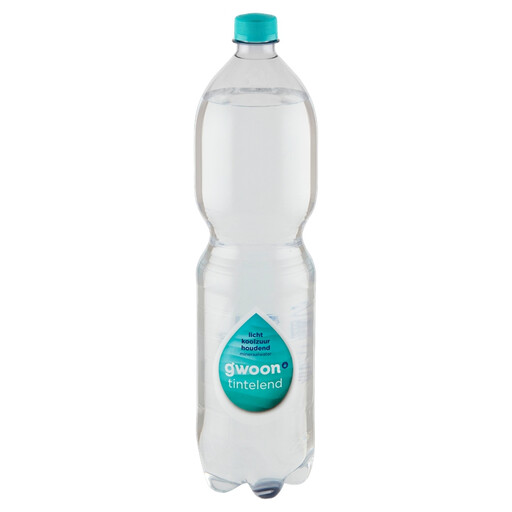
Why this fits the profile: The 1.5-litre bottle is practical for home use and the product information states a light carbonation.
This variety is not described as a sweet soft drink: the ingredients are natural mineral water and carbon dioxide, with 0 kcal and 0 grams of sugar per 100 ml according to the product information.
1.5 litres per bottle, light carbonation, 0 kcal and stated minerals including 104 mg of calcium per litre.
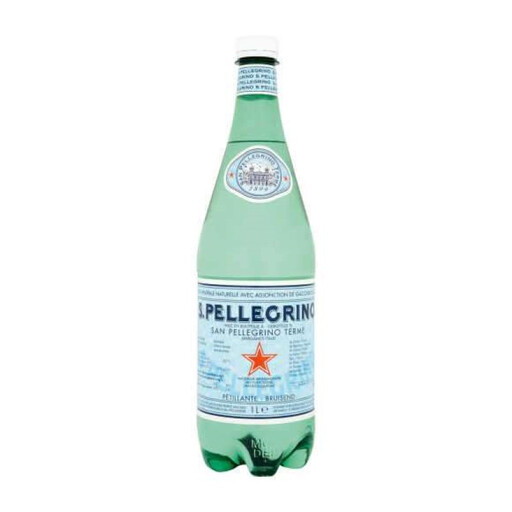
Why this fits the profile: The 1-litre bottle is designed for serving with meals and has a clearly described mineral profile.
The ingredients list only natural mineral water and carbon dioxide. This makes the difference from flavoured drinks immediately clear.
1 litre, 0 kcal according to the product table and stated values such as 80 mg of calcium and 360 mg of bicarbonates per litre.
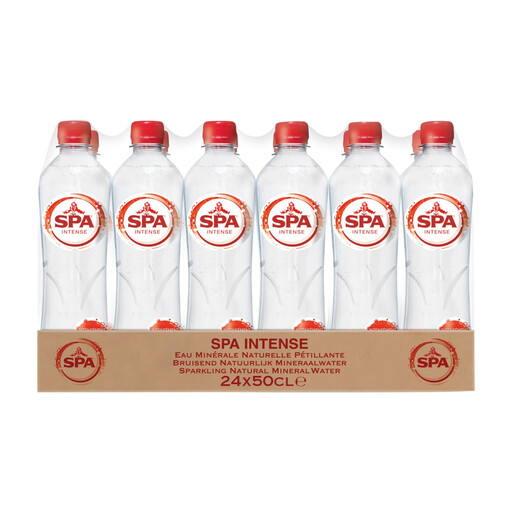
Why this fits the profile: A multipack of 24 bottles of 500 ml works well for the office, guests, events or regular use on the go.
The size prevents a large bottle from being opened repeatedly. The product information also specifies PET bottles, a pack of 24 and an intensely sparkling character.
24 × 500 ml, natural mineral water, intensely sparkling and a stated sodium content of 5 mg per litre.
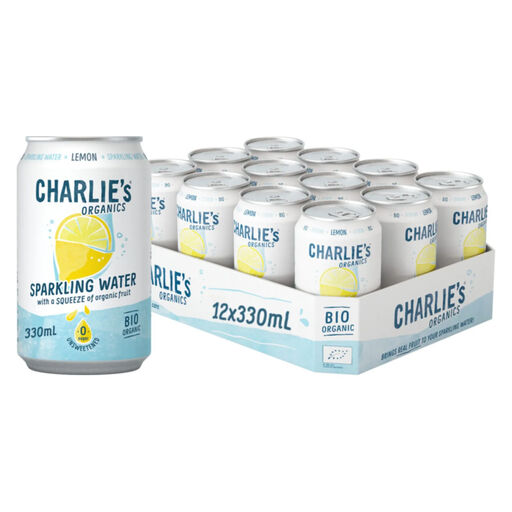
Why this fits the profile: The small bottle is ideal for a single drinking occasion and has a light citrus flavour.
The nutritional information makes it clear this isn't a sugary lemonade: 1 kcal and 0 grams of sugar per 100 ml according to the product information.
12 × 330 ml, 3% organic lemon juice according to the ingredients list and 1 kcal per 100 ml.
We've put together a full, up-to-date list of products that fully meet these strict selection criteria and comply with current European safety regulations.
Not always. Carbonated water is a broad term for water that has had carbon dioxide added or naturally contains it. Natural mineral water comes from a recognised source and has a defined mineral composition. Check the label to see whether it's mineral water, spring water or a flavoured soft drink.
That depends on the packaging and the storage advice on the label. The product information for the varieties mentioned typically states that an opened bottle should be refrigerated, kept tightly closed and consumed within the stated period. Keeping it sealed well also helps preserve the carbonation for longer.
Plain varieties with only water and carbon dioxide often state 0 kcal and 0 grams of sugar per 100 ml. Flavoured products vary: Charlie's Lemon states 1 kcal per 100 ml, while Beypazari Limonlu Soda states 26 kcal and 6.5 grams of sugar per 100 ml. Always compare the nutritional information table and ingredients list before you order.
