
Vandaag of morgen in huis

Kwaliteit gegarandeerd

Welkomstaanbiedingen ontgrendelen: GRATIS bezorging | Tot 80% korting | Gratis 30 dagen JoyPlus-proefperiode
Download de app
Sparkling mineral water is a practical choice for home, with meals, on the go or at a party. Yet many bottles and multipacks look alike, while there are clear differences in taste, carbonation level, minerals, sugar, volume and packaging.
An attractive package does not always tell the whole story, either. If you focus only on the brand name or a special offer, you could end up with small bottles for everyday use, a sweet-flavoured variety that is not what you expected, or a multipack that is difficult to fit in the fridge. Use these checkpoints to make a more informed choice between sparkling water, carbonated mineral water and flavoured varieties.
Carbonated natural mineral water usually contains no sugar when the ingredients are only water and carbon dioxide. Flavoured varieties are different. Always check the ingredients list and nutritional values per 100 ml.
For example, Beypazari Limonlu Soda contains mineral water, carbon dioxide and natural lemon flavouring, but also lists 6.5 grams of sugar per 100 ml. So this is not sugar-free sparkling water. Hope Water Mangosteen Rice and Hope Water Wanglemon also contain added ingredients and sugars. The terms “refreshing” and “fruity” say nothing by themselves about the sugar content.
A large pack of mineral water can be financially convenient for families, meals or an office. However, pay attention to the total volume, the number of bottles and the price per litre. For example, a pack of 24 300 ml bottles contains 7.2 litres, while a pack of 6 1.5-litre bottles contains 9 litres.
Small bottles are easy to take with you, but they result in more packaging per litre. Large bottles are often more practical for the fridge and dinner, but lose their carbonation more quickly once opened. So do not compare only the price of the box; also compare the volume per pack.
The amount of carbon dioxide affects the drinking experience. If you prefer a gentle fizz, lightly sparkling mineral water may be the right choice. For a stronger sparkling effect, varieties such as Spa Intense are more suitable according to the product description.
Also pay attention to the terminology: natural mineral water and spring or table water are not automatically the same. Check the ingredients, source and mineral analysis on the label. Brand descriptions of taste or drinking experience are commercial information, so check the verifiable details on the packaging.
For pure sparkling water, you will often see a short ingredients list, such as:
A short ingredients list does not necessarily mean that the taste will suit you, but it does make clear what you are buying. For lemon, berry or fruit varieties, check the amount of sugar, carbohydrates and energy. A lemon-flavoured mineral water may therefore be more like a soft drink alternative than pure water.
The mineral composition varies considerably from one source to another. Evian Sparkling lists, among other things, 80 mg of calcium, 26 mg of magnesium and 6.5 mg of sodium per litre. According to the product information, Beypazari Sade Soda lists approximately 205.867 mg of calcium, 124.588 mg of magnesium and 138.181 mg of sodium per litre.
These figures are particularly useful when comparing differences in taste or product specifications. Do not draw medical conclusions from them. If you follow a specific diet, check the current packaging and seek advice from a qualified healthcare professional if in doubt.
Choose the size based on how you intend to use it:
Store sparkling mineral water somewhere cool and away from direct sunlight. Once opened, the bottle should be refrigerated according to the product information and used within the stated period. When your order arrives, also check that the cap or seal is intact. Do not use a bottle whose seal was damaged before first use.
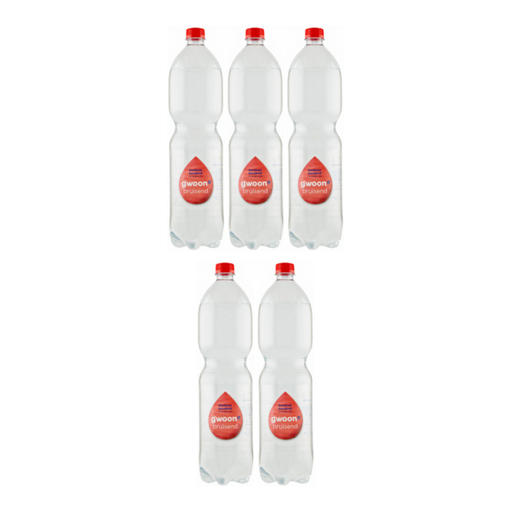
Why it suits this profile: The 1.5-litre bottle is suitable for everyday use, meals and sharing at home. The product information lists 0 kcal and 0 grams of sugar per 100 ml.
The ingredients list is limited to spring water and carbon dioxide. This makes it clear that it is not a flavoured or sweetened variety.
1.5 litres per bottle, 0 kcal and 0 grams of sugar per 100 ml.
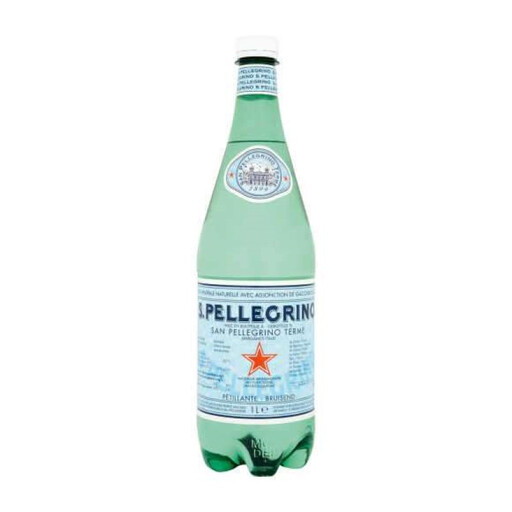
Why it suits this profile: The 1-litre bottle is ideal for a well-presented table and for shoppers looking for a recognisable Italian water style.
The ingredients are clear: natural mineral water and carbon dioxide. The nutritional information lists 0 kcal and 0 grams of sugar.
1-litre volume, Italian origin and a completely unsweetened composition.
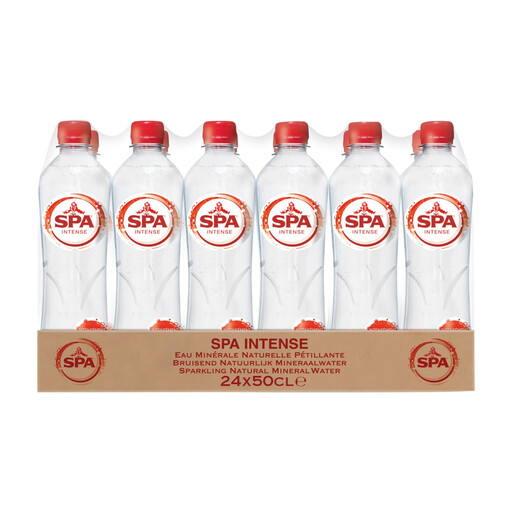
Why it suits this profile: The 24 individual 500 ml bottles are convenient for stocking up, visitors, the office or use on the go.
The pack size is clear from the outset: 24 bottles of 500 ml. The product details state its low mineralisation and low sodium content.
24 servings of 500 ml, natural mineral water and an intensely sparkling product variety.
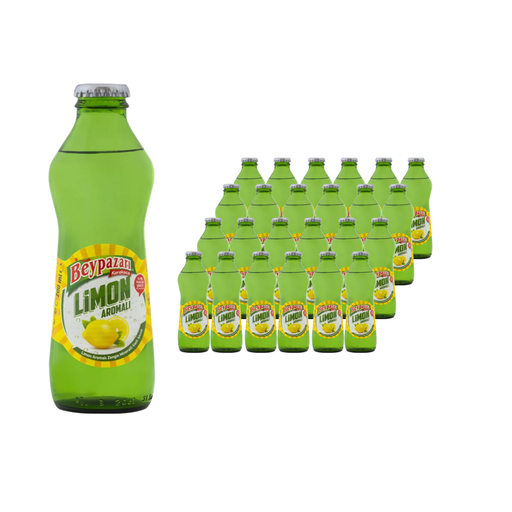
Why it suits this profile: The small bottles are practical for taking with you or enjoying as an individual serving. The natural lemon flavour offers a clear alternative to plain sparkling water.
The volume and composition are clearly stated, including 26 kcal and 6.5 grams of sugar per 100 ml. This allows you to distinguish this variety consciously from sugar-free sparkling water.
24 bottles of 200 ml, natural lemon flavour and no artificial colourings or preservatives according to the product information.
We have put together a complete, up-to-date list of products that fully meet these strict selection criteria and the applicable European safety regulations.
The terms are often used interchangeably in everyday speech. For a more precise comparison, check the ingredients. Natural mineral water with added carbon dioxide contains water and carbon dioxide; flavoured sparkling water may also contain flavourings, fruit juice or sugar.
This depends on the type of bottle, the closure, the temperature and how often you open it. Close the bottle securely and store it in the fridge. A small bottle that is drunk in one go will generally retain its desired level of fizz better than a large bottle that is opened several times.
Pure carbonated mineral water without sugar or flavourings can be a simple alternative to soft drinks. Flavoured varieties, however, can differ considerably. Always check the nutritional information. A lemon or fruit variety may contain sugar, whereas g'woon Sparkling Mineral Water, San Pellegrino and Spa Intense contain no sugar according to the stated product details.
