
Livraison le jour même et le lendemain

Qualité garantie

Débloquez vos offres de bienvenue: Livraison GRATUITE | Jusqu'à -80 % | 30 jours d'essai gratuits à JoyPlus
Téléchargez l'application
Sparkling mineral water is useful at home, with meals, on the go or during a party. Yet many bottles and multipacks look more alike than they really are. One option contains only natural mineral water and carbon dioxide, while another drink may contain fruit juice, sugar or sweeteners.
The packaging can also make a purchase less practical. A 1.5-litre bottle offers good value at home but is less suitable for taking with you. Small glass bottles are easy to serve, but they weigh more and are more prone to breaking. These checks will help you avoid paying for a product that does not suit the way you intend to use it.
The terms sparkling water, sparkling water and carbonated mineral water are used for different types of drink. Always check the ingredients list.
For example, Charlie’s Sparkling Water Lemon lists 1 kcal per 100 ml and 3% organic lemon juice. According to the product information, Jeju Hallabong ADE Sparkling contains 12.2 grams of sugar and 50 kcal per 100 ml. These are clearly different choices from sugar-free mineral water.
Claims such as “natural”, “light” or “mineral-rich” only tell you something when considered alongside the nutritional information and mineral analysis. Pay particular attention to:
According to the product information, g’woon Mineral Water Light Sparkling contains 0 kcal and 0 grams of sugar per 100 ml, with 16.4 mg of sodium per litre. SPA Intense lists 5 mg of sodium per litre. By contrast, Beypazari Sade Soda contains approximately 138 mg of sodium per litre and has higher levels of calcium, magnesium and bicarbonate. None of these profiles is automatically suitable for every situation; it depends on your taste and what you are buying it for.
Buying mineral water in a multipack can make each bottle cheaper, but pay attention to the total quantity and packaging materials. A case of 24 330 ml cans is practical for guests or taking with you. A pack of six 1.5-litre bottles is better suited to everyday use at home, but requires more storage space.
Also consider whether you prefer glass, PET or cans. Glass is well suited to serving, PET is lightweight for storing supplies, and cans are convenient for single use.
For sugar-free mineral water, look for 0 grams of sugar and preferably 0 kcal per 100 ml. Flavoured options can also be low in calories, but check whether they contain fruit juice, sugar or sweeteners.
A drink with 0 grams of sugar is not necessarily the same as pure sparkling mineral water. For example, g’woon Blueberry Sparkling Mineral Water lists carbonated natural mineral water and natural blueberry flavouring, with 0 kcal and 0 grams of sugar. According to the product information, g’woon Raspberry Cranberry Sparkling Fruit also contains 0 grams of sugar, but it also contains concentrated fruit juice, flavourings, colour concentrate and sweeteners.
The mineral analysis helps you compare different types of water objectively. Pay attention to the unit: nutritional values are often given per 100 ml, while minerals are usually listed per litre.
Do not present these figures as having medical effects. They are product specifications that can help you make your choice. If you are following a particular diet or have a health-related question, it is still sensible to follow the label and seek personal advice.
For a gentler fizz, lightly sparkling water may be more enjoyable. With a meal or on a special occasion, some consumers prefer a more strongly carbonated product. Also consider the volume:
After opening, store the bottle in the fridge according to the product information, close it securely and use it within the stated period. This helps the flavour and carbonation last longer.
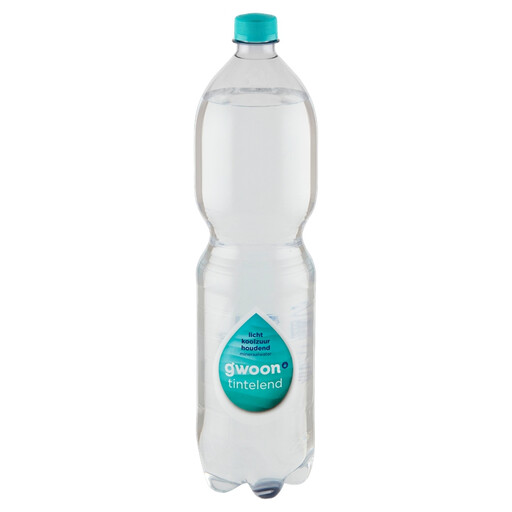
Why it suits this profile: The 1.5-litre bottle is practical for everyday use at home. According to the product information, this option contains 0 kcal and 0 grams of sugar per 100 ml.
The ingredients and nutritional information make it clear that this is lightly sparkling mineral water, not a sugary soft drink.
1.5-litre capacity; 0 kcal and 0 grams of sugar per 100 ml according to the label.
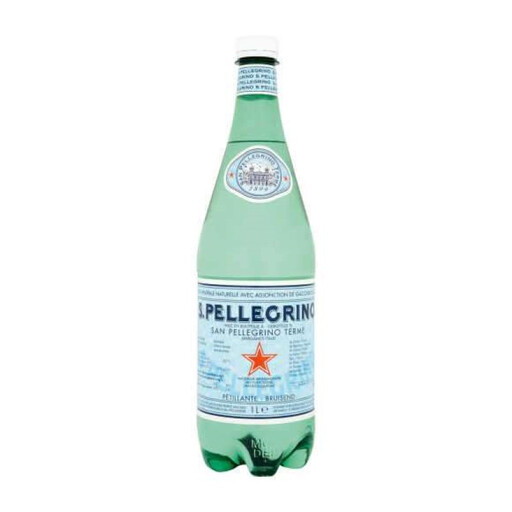
Why it suits this profile: The 1-litre bottle is suitable for serving chilled with meals or when entertaining. The product information states that it is natural mineral water with carbon dioxide and contains 0 kcal.
The ingredients list names only natural mineral water and carbon dioxide, with no sugar or flavourings.
1 litre per bottle; Italian natural mineral water; 0 kcal according to the product information.
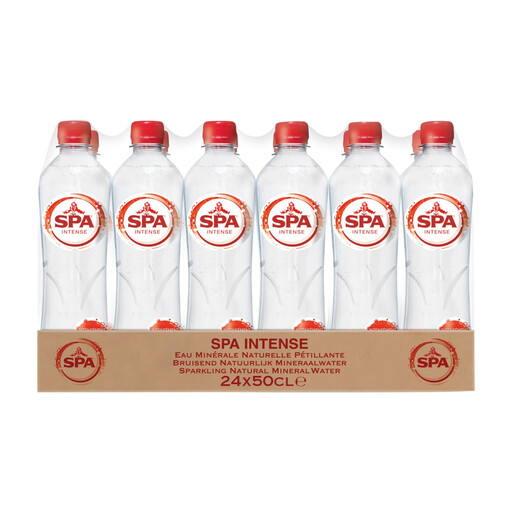
Why it suits this profile: The 24 500 ml bottles are convenient for stocking up, offices, sports clubs or gatherings.
The standard size means you do not have to order only large bottles for everyday use, which can be difficult to take with you.
24 PET bottles of 500 ml; according to the label, low in minerals and low in sodium.
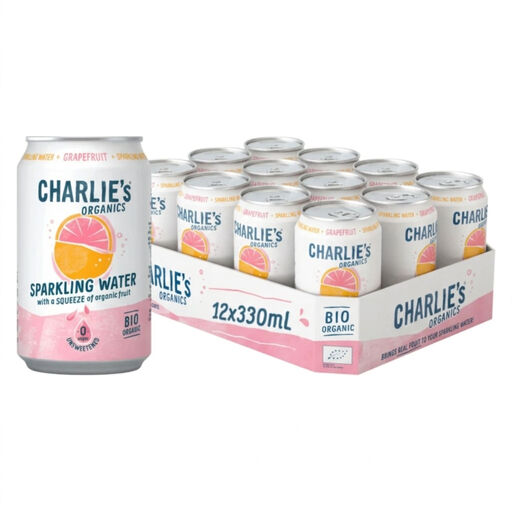
Why it suits this profile: Small cans are ideal for enjoying chilled, taking with lunch or serving at a gathering.
The product information lists 3 kcal per 100 ml and no sugar, so the fruity flavour should not be confused with a sugary soft drink.
12 x 330 ml; 93% carbonated water and 3 kcal per 100 ml according to the product information.
We have put together a complete, up-to-date list of products that fully meet these strict selection criteria and the applicable European safety regulations.
No. Pure natural mineral water with carbon dioxide usually contains no sugar, but flavoured options may contain fruit juice or sugar. Always check the ingredients and nutritional information per 100 ml.
Store an opened bottle in the fridge, close the cap securely and follow the timeframe stated on the packaging. The carbonation gradually decreases after opening. A small bottle or can is therefore often better suited to a single drink than a large bottle left open for several days.
That depends on the price per litre, the pack size and how much you drink. Divide the total price by the number of litres to compare packs fairly. A multipack is particularly practical if you drink sparkling water regularly or want to stock up. Also check your available storage space and the best-before information beforehand.
