
Vandaag of morgen in huis

Kwaliteit gegarandeerd

Welkomstaanbiedingen ontgrendelen: GRATIS bezorging | Tot 80% korting | Gratis 30 dagen JoyPlus-proefperiode
Download de app
A large bottle of sparkling water might seem like a simple purchase. Yet there are clear differences in content, carbonation level, packaging and ease of use. If you only look at the front of the label, you could end up paying for a product that doesn't suit your household.
With 1.5-litre sparkling mineral water, these are the main pitfalls to watch out for:
For mineral water without sugar and mineral water without calories, the nutritional information table should clearly state what the product contains per 100 ml. The natural g'woon variety, for example, lists 0 kJ/0 kcal, 0 grams of sugar and 0 grams of carbohydrates per 100 ml. According to the product information, the ingredients list consists of spring water and carbon dioxide.
With flavoured varieties, pay extra attention to the label. The g'woon raspberry version lists natural raspberry flavouring and 0 kcal per 100 ml. That's quite different from a sugary soft drink. Use the nutritional information table as your check, not just terms like "light", "pure" or "refreshing" on the front.
A 1.5-litre bottle is suitable for a family, a meal or for filling glasses and carafes. A pack of five bottles gives you a total of 7.5 litres. That can be practical for households that regularly drink sparkling water, but it also requires enough storage space.
So compare:
A small bottle is handy for on the go, while a large bottle is usually more practical for home use. Also check whether the packaging clearly states whether it's sparkling spring water, natural mineral water or flavoured water.
The amount and intensity of carbonation affect the drinking experience. Products labelled "light sparkling" have a milder fizz, while Spa Intense is described as intensely sparkling in the product description. This is a matter of taste and preference, not a guarantee of quality.
Store unopened bottles in a cool, dry place away from direct sunlight. Once opened, they should be kept in the fridge with the cap tightly closed. Check before use that the seal is intact. Open a carbonated bottle carefully, especially if it has been warm or shaken.
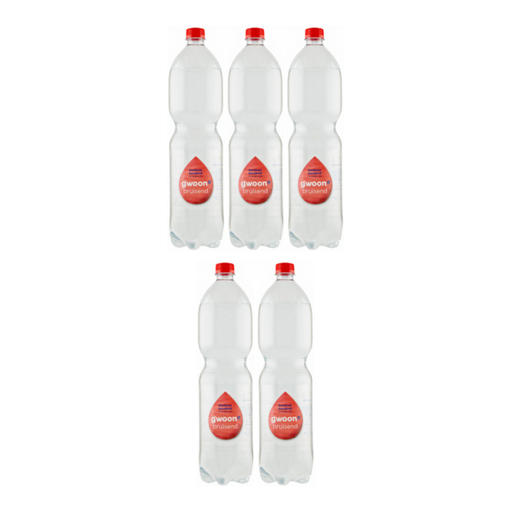
Why this fits the profile: A multipack of five 1.5-litre bottles is practical for daily use, meals and a household that regularly drinks sparkling water.
The total quantity is clear: five bottles of 1.5 litres. The product information also states 0 kcal and 0 grams of sugar per 100 ml.
1.5 litres per bottle; ingredients according to the listing: spring water and carbon dioxide.
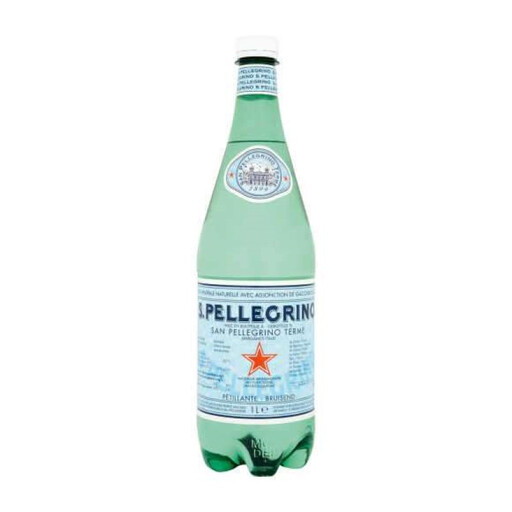
Why this fits the profile: The 1-litre bottle is ideal for serving at the table, for example with a special meal or alongside wine.
The product description mentions its Italian origin, the 1-litre size and the ingredients: natural mineral water and carbon dioxide.
0 kcal and 0 grams of sugar per 100 ml according to the product information; suitable for serving with food.
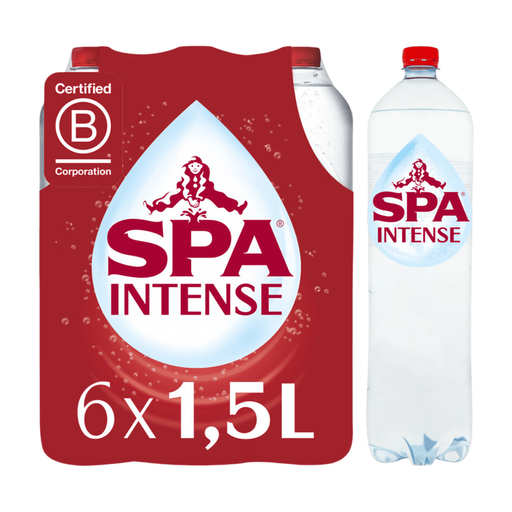
Why this fits the profile: Six large bottles are aimed at stocking up at home, for families, meals and mixing drinks.
The packaging states the exact number and size: 6 x 1.5 litres. Low mineralisation and a low sodium content are also listed as product specifications.
6 x 1.5 litres; natural mineral water with carbon dioxide; suitable for serving chilled.
We've put together a full, up-to-date list of products that fully meet these strict selection criteria and comply with current European safety regulations.
No. Natural sparkling water typically contains no sugar, but flavoured or blended drinks may contain sugar. Always check the ingredients and nutritional information per 100 ml. The natural g'woon and Spa products mentioned list no sugar according to the product information.
Store an opened bottle in the fridge, close the cap tightly and follow the time frame on the label. The fizz will gradually decrease after opening. Keeping the bottle out of direct sunlight and away from heat helps maintain product quality according to the storage advice.
That depends on the price per litre, the delivery charges and how much you actually use. Divide the total price by the total number of litres. For households that drink sparkling water daily, a multipack can be practical; for occasional use, a smaller pack may take up less storage space.
