
Vandaag of morgen in huis

Kwaliteit gegarandeerd

Welkomstaanbiedingen ontgrendelen: GRATIS bezorging | Tot 80% korting | Gratis 30 dagen JoyPlus-proefperiode
Download de app
A bottle of sparkling iced tea might seem like a simple choice. But the products vary considerably in flavour, size, sweeteners and sugar content. A striking label with words like “light”, “zero” or “natural” doesn’t always tell the full story. If you only look at the front of the packaging, you could end up with a drink that doesn’t suit your intended use.
The Joybuy Product Recommendation Officer has put together the key points to check. This way, you can compare Lipton Ice Tea Sparkling, Fuze Tea and other sparkling iced tea options based on verifiable product information.
A sugar-free iced tea contains no sugar according to the nutritional information, but it may still contain sweeteners. For example, Lipton Ice Tea Sparkling Zero lists sucralose and acesulfame-K. The green citrus variant uses steviol glycosides, among others. That’s not the same as a product with no sweet taste.
So always check:
For instance, VITA 0 Sugar Sparkling Lemon Tea states that it contains aspartame and is a source of phenylalanine. This information is especially important for consumers who want to avoid certain ingredients.
A 1.5-litre bottle of iced tea is practical for home, a barbecue or a birthday party. Once opened, the bottle must be kept refrigerated and consumed within the stated period, according to the product information. If you usually drink alone or on the go, cans or smaller bottles may be more convenient.
Alongside the price, consider:
“Original”, “lemon”, “peach” and “green citrus” refer to different flavour profiles. A lemon iced tea made with black tea can taste more tart and tea-like than a green tea variant with citrus or blood orange. Peach iced tea is usually fruitier, but doesn’t automatically contain less sugar.
According to the product description, Lipton Ice Tea Peach contains sugar, fructose and peach juice from concentrate. The nutritional values are 13 kcal and 3.0 grams of sugar per 100 ml. So compare the actual nutritional table rather than just the flavour name.
The nutritional values are usually given per 100 ml. Convert that to your actual portion. For example, a 330 ml can contains 3.3 times the amount per 100 ml. With a 1.5-litre bottle, the total naturally adds up if you pour several glasses.
For comparison:
These figures are based on the product information provided. Always check the actual label upon receipt, as the composition and packaging may change.
Choose iced tea cans for on the go, a picnic or a party where everyone wants their own portion. A multipack of 24 x 330 ml is suitable for stocking up, but takes up more space. A 500 ml bottle is better for individual use. Large bottles make more sense when several people are drinking at the same time.
With carbonated iced tea, careful opening is also important. Store unopened packaging in a cool, dry place away from direct sunlight. Put an opened bottle in the fridge and close the lid tightly.
Look at the ingredients list for the type of tea and the proportion of tea extract. Green iced tea has a different flavour profile to black tea. Fruit listed may be from concentrate and is sometimes supplemented with flavourings. This is standard product information, but it helps to keep your expectations about the flavour realistic.
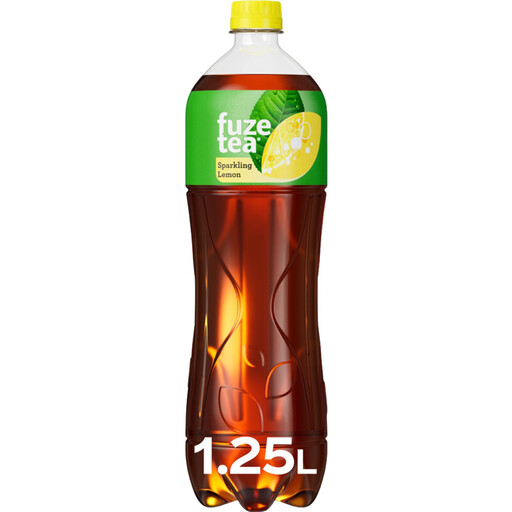
Why it fits this profile: A bottle size for home, with black tea and lemon flavour in ready-to-drink packaging.
The product information states 4.1 grams of sugar and 17 kcal per 100 ml, so you don’t have to rely solely on the term “low-calorie”.
1.25 litres, sparkling, with black tea, lemon and steviol glycosides.
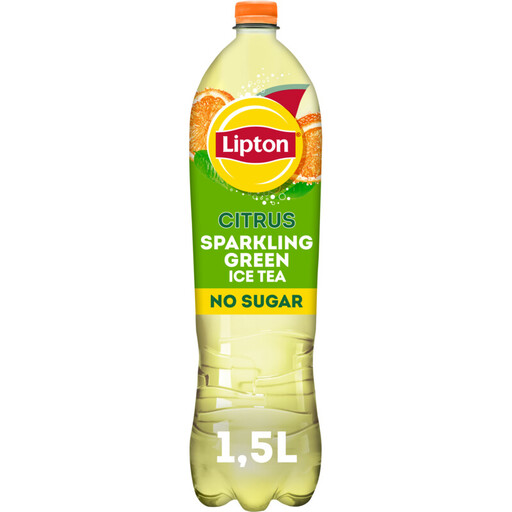
Why it fits this profile: Ideal for those looking for a large bottle with a fresh citrus profile and green tea.
The product data states 0 grams of sugar and 1 kcal per 100 ml. This makes the difference from sweetened iced tea clearly visible.
1.5 litres, carbonated, green tea, blood orange flavour and, according to the description, Nutri-Score B.
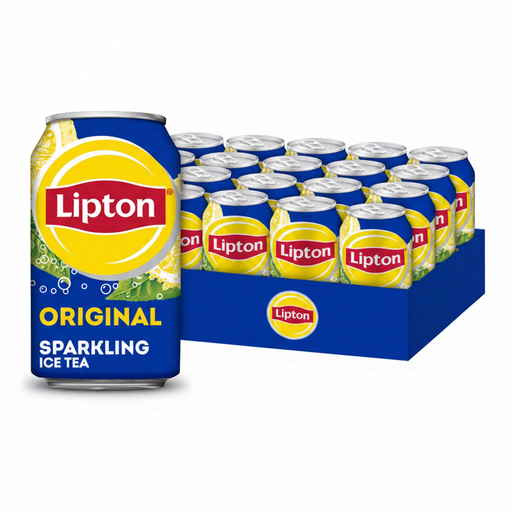
Why it fits this profile: A multipack for offices, parties, families or anyone who regularly wants to grab an individual can.
The packaging clearly states 24 cans of 330 ml and 0 grams of sugar per 100 ml. Do check the applicable deposit.
330 ml per can, sparkling black tea with lemon, suitable for chilled individual portions.
We’ve put together a full, up-to-date list of products that fully meet these strict selection criteria and comply with current European safety regulations.
No. Some variants contain sugar, fructose or fruit juice. Others are sugar-free but contain sweeteners. Look at the nutritional values and ingredients list per 100 ml.
Store an opened bottle in the fridge, close the lid tightly and follow the instructions on the label. The fizz will diminish over time. Cans are intended to be drunk immediately after opening.
For a group, 1.5-litre bottles are practical if several people want to drink the same flavour. With iced tea cans of 250 or 330 ml, each guest gets their own portion. Compare the total volume, sugar content and any deposit costs in advance.
