
Vandaag of morgen in huis

Kwaliteit gegarandeerd

Welkomstaanbiedingen ontgrendelen: GRATIS bezorging | Tot 80% korting | Gratis 30 dagen JoyPlus-proefperiode
Download de app
Soya milk powder is handy for breakfast, at the office, on the go or in a smoothie. Add water and you quickly have a plant-based drink without needing a fridge. However, not all varieties are the same. Some products look like protein powder for vegans, but mainly contain carbohydrates. Others are sold as “no added sugar”, while still containing maltose syrup or naturally occurring sugars.
This buying guide compares soya milk powder, soya drink powder and plant-based protein powder based on verifiable information on the label.
The terms unsweetened soya milk powder and sugar-free soya milk powder sound similar, but always check the ingredients list and nutrition table. “No added sucrose” does not automatically mean that the product contains zero grams of sugar. Maltose syrup, maltose or other ingredients may still contribute to the sugar content.
YON HO No Added Sugar Soybean Powder is a clear example. According to the product information, it contains no added sucrose, but it does contain maltose syrup and 15.3 grams of carbohydrates per 100 grams. So do not rely solely on the front of the packaging.
Classic instant soya milk is mainly intended as a plant-based drink. Its protein content may be around 15 to 18 grams per 100 grams of powder. A plant-based protein powder or soya protein product for sports use often has a much higher protein percentage per 100 grams and provides more protein per serving.
So always compare:
A large bag may seem cost-effective, but it is less practical if you need a single serving every day. Sachets of 20 to 25 grams are easier to take to work, college or the gym. A tub or bag may make more sense for everyday use at home.
Also check the water temperature. Some varieties dissolve in cold water, while others need to be prepared at around 70 to 85 °C. Preparing the mix incorrectly can cause lumps or result in a different texture.
For a regular plant-based drink at breakfast, a moderate protein content may be sufficient. If you are looking for a protein shake, soya protein or protein powder to use around exercise, it is worth checking the protein value per serving.
For comparison:
These products therefore serve different purposes. A regular soya drink is not automatically the same as vegan protein powder.
Check the full ingredients list. Look out for:
For a product labelled “no added sugar”, the exact wording is important. Joyoung Black Soybean Pure Soy Milk Powder, for example, lists black soya beans as its only ingredient and contains 3 grams of sugar per 100 grams. That is different from a product containing zero carbohydrates.
Soya is an allergen and must be clearly stated on the label. Some varieties also contain oats, barley, sesame, chickpeas or nuts. Optimum Nutrition Clear Protein is described as vegan, but the product information states that it is made in an environment where, among other things, milk, gluten, egg, soya, nuts and peanuts are processed.
If you have an allergy, always read the packaging and warnings for the specific batch. Product formulas and labels may change.
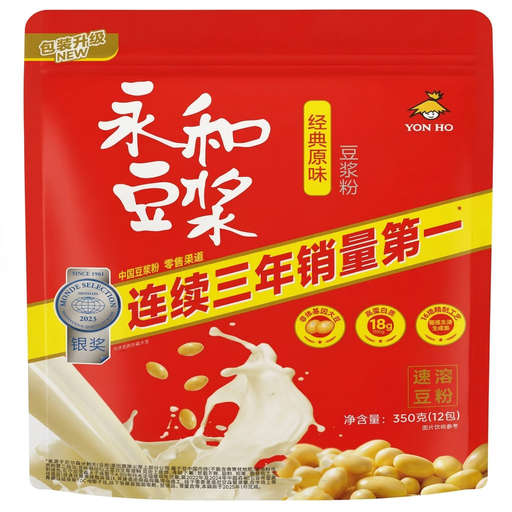
Why it suits this profile: A straightforward starting point for anyone looking for classic instant soya milk for breakfast, the office or use in recipes. The 350-gram pack is suitable for regular use at home.
The product information states that it contains 58% soya beans and 18 grams of protein per 100 grams. However, maltose syrup is included in the ingredients list and it contains 32 grams of sugar per 100 grams, so it is not a sugar-free choice.
350 grams of powder; prepare with 25–30 grams of powder and 200–250 ml of water; suitable for hot or cold preparation.
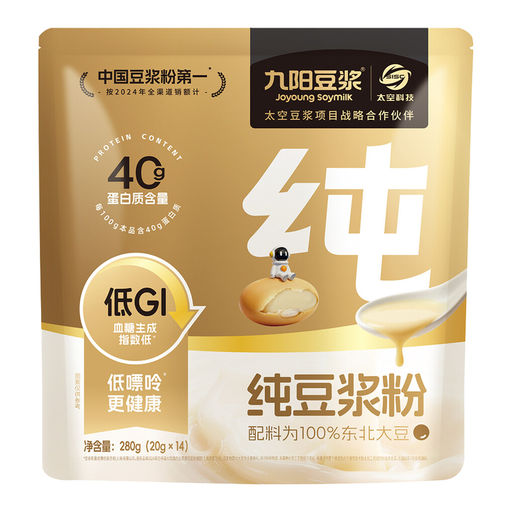
Why it suits this profile: Suitable for anyone who values a short ingredients list and a high stated protein content, without flavourings or added sugar according to the product description.
The ingredients list contains only soya beans. However, check the current label when buying, as the product page mentions 280 grams in the name but lists 240 grams as the net quantity.
40 grams of protein per 100 grams; 6 grams of sugar per 100 grams; single-ingredient formula according to the product information provided.
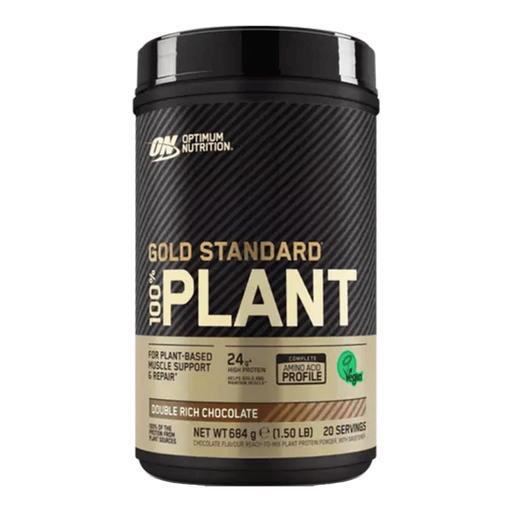
Why it suits this profile: A sensible choice for vegans and athletes who want a measured protein shake to use around training or as a snack.
The serving size is clearly stated: approximately 36 grams, mixed with 300 ml of water or plant-based milk. It is a protein supplement, not a regular soya drink.
24 grams of protein per serving; a blend of pea and rice protein; 20 servings and chocolate flavour.
We have put together a complete, up-to-date list of products that fully meet these strict selection criteria and the applicable European safety regulations.
For a smooth drink, it helps to add a small amount of water first and stir the powder into a paste. Then add the remaining water. Follow the temperature and dosage instructions on the packaging.
Store opened soya milk powder in a cool, dry place in a tightly sealed container. Powder absorbs moisture easily. Sachets help to limit this problem because each serving is individually packaged. When comparing prices, look beyond the pack itself and also consider:
A product with more protein per serving may cost more per gram, but it could be a better fit if you are specifically looking for vegan protein powder.
No. Soya milk powder is usually intended for making a drink and may contain relatively high levels of carbohydrates. Plant-based protein powder is generally more concentrated and is more often used per serving around exercise or as a protein shake. Compare the protein content per serving and the ingredients.
This varies by brand and packaging. Store the powder in a dry, sealed container away from direct sunlight. Some product information recommends consuming it within one month of opening. Always check the best-before date and instructions on your packaging.
That depends on the variety. Some instant products are suitable for cold water, while others need to be prepared at around 60 to 85 °C. If the packaging does not provide clear instructions, start with a small amount of warm water to prevent lumps.
