
Vandaag of morgen in huis

Kwaliteit gegarandeerd

Welkomstaanbiedingen ontgrendelen: GRATIS bezorging | Tot 80% korting | Gratis 30 dagen JoyPlus-proefperiode
Download de app
Soya milk powder is useful when you want to quickly make a plant-based drink at home, in the office or on the go. It is easy to store in the cupboard, and you can decide how much water to add yourself. However, many packs look similar. Sweet soya drink, unsweetened soya milk powder and pure soya powder can differ considerably in composition, flavour and use.
So don’t just look for words such as “natural”, “rich” or “traditional”. Pay particular attention to the ingredients list, nutritional values, serving size and preparation instructions. This will help you avoid buying a product that is too sweet, difficult to dissolve or unsuitable for your everyday needs.
A product labelled no added sugar may still contain sugars. These could come from malt syrup, fructose or other ingredients, for example. Always check the “of which sugars” figure per 100 grams and, where provided, per serving.
For example, the product information for Joyoung No Added Sugar Soybean Powder lists only soya beans as an ingredient. However, the nutritional information still states 6 grams of sugars per 100 grams. Other varieties may contain malt syrup, even when no sucrose has been added.
The nutritional information on the pack usually applies to the powder, not the prepared drink. If you use 20 grams of powder, you will not automatically consume the full amount of protein stated per 100 grams. So work out the amount per serving before comparing products.
A product containing 40 grams of protein per 100 grams provides approximately 8 grams of protein in a 20-gram serving, regardless of the exact preparation method. This gives you a more objective comparison than simply relying on eye-catching claims on the front of the pack.
Flavoured soya milk powder often contains extra sugar, syrup, flavourings or fruit powder. That is not necessarily a problem, but it does affect the sweetness and nutritional value. According to the product information, the Joyoung Strawberry variety contains crystalline fructose, strawberry powder and freeze-dried strawberry pieces, among other ingredients.
The flavour of Chinese soya milk and other Asian drinks may also differ from that of unsweetened soya drinks sold in supermarkets. So check whether you are looking for a neutral, sweet, fruity or spiced variety.
First, check the percentage of soya beans. The range includes products containing 48%, 50%, 54%, 58% and 100% soya beans. A higher percentage does not automatically mean that the flavour or texture will suit you better, but it does provide more information about the composition.
Also check for allergens. Soya must be clearly stated. Some varieties also contain cereals containing gluten, such as barley or oats. For example, Joyoung Barley Green Juice Soy Milk Powder contains barley grass powder and oat flour; according to the product information, barley and oats are therefore relevant allergens.
If you want soya milk with no added sugar, don’t rely on the product name alone. Read the full ingredients list. Products containing malt syrup, maltose syrup, white sugar or fructose are not the same as a product made exclusively from soya beans.
For a product containing xylitol, such as Joyoung Fig & Flaxseed Self-Controlled Soy Milk Powder, it is equally important to check the full composition and nutritional table. “No added sugar” does not mean that the product contains no sweeteners or naturally occurring sugars.
A 20- or 25-gram sachet is convenient for an instant breakfast drink or soya milk on the go. However, the recommended amount of water varies by product. Examples from the product information include:
Mixing a small amount of powder with water to make a smooth paste before adding the remaining water can often help prevent lumps. Always follow the temperature and ratio stated on the packaging.
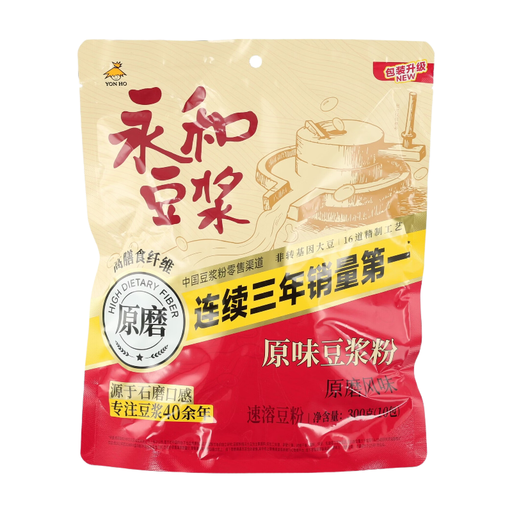
Why it suits this profile: A neutral introduction for anyone who wants to try classic Chinese soya milk. The 300-gram pack is suitable for regular use at home.
The composition and preparation ratio are clearly stated. However, bear in mind that the ingredients list includes sugar and maltodextrin.
300 grams of product, 25 grams of protein per 100 grams according to the product information, and suitable for drinks, smoothies or recipes.
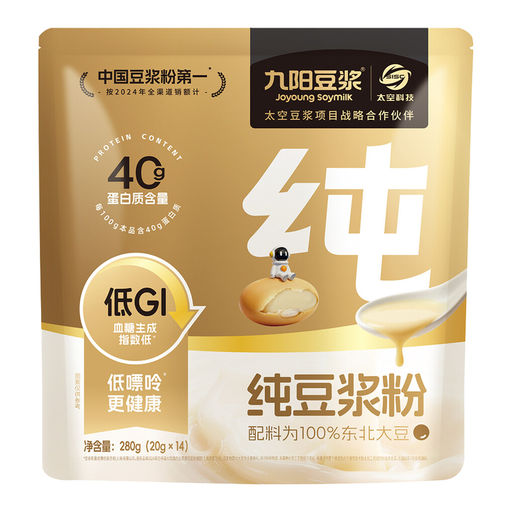
Why it suits this profile: For anyone who values a simple composition and prefers the pure flavour of soya beans to a flavoured drink.
According to the product information, this product consists of soya beans, with no sugar, flavourings or preservatives listed. Check the packaging when it arrives.
100% soya beans according to the product description, and 40 grams of protein per 100 grams according to the nutritional information.
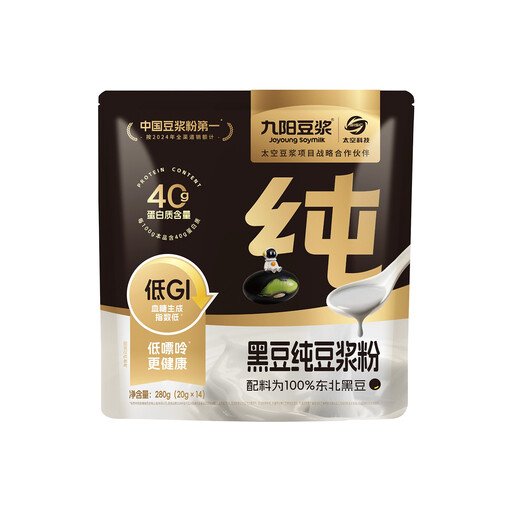
Why it suits this profile: The individual sachets are practical for breakfast, the office, travelling or after exercise when you want to take a measured portion with you.
The 20-gram portions reduce guesswork when mixing. According to the product information, this product contains only black soya beans.
14 individually wrapped sachets, 40 grams of protein per 100 grams, and no added sugar or flavourings listed.
We have compiled a complete, up-to-date list of products that fully meet these strict selection criteria and the applicable European safety regulations.
Use a dry, clean cup where possible. Add the powder before pouring in the water and stir vigorously. With some products, it works better to add a small amount of water first, followed by the remainder.
Sticks are convenient for a plant-based protein drink on the go, as you do not need a measuring spoon. However, take a sealable cup with you if you are preparing the powder away from home. According to the product information, cold brew varieties are suitable for cold water or water at room temperature; a small amount of sediment may be normal.
Store opened packs in a cool, dry place and tightly sealed, away from direct sunlight and moisture. The powder readily absorbs moisture from the air. Check the best-before date on the packaging and follow a shorter usage period after opening if the manufacturer specifies one.
The terms are often used interchangeably. Both usually refer to powder that makes a soya drink when water is added. However, the composition can vary: check the percentage of soya beans, added sugars, flavourings and recommended serving size.
First mix the powder with a small amount of warm water to form a smooth mixture. Then gradually add the remaining water while stirring. Use the quantity and temperature stated on the packaging, as these vary from product to product.
When unopened, you can keep the product until the date shown on the packaging, provided it is stored in a dry place and according to the storage instructions. After opening, seal the bag securely and use the powder as soon as possible. Drink prepared soya milk immediately, or only store it if the product instructions allow this.
