
Vandaag of morgen in huis

Kwaliteit gegarandeerd

Welkomstaanbiedingen ontgrendelen: GRATIS bezorging | Tot 80% korting | Gratis 30 dagen JoyPlus-proefperiode
Download de app
Soya milk powder is useful if you want to make a plant-based drink at home, in the office or on the go without having to store a one-litre carton. However, many products appear more similar than they really are. The differences often lie in the ingredients list, nutritional values and the way the drink needs to be prepared.
If you only look for words such as “pure”, “original” or “no added sugar”, you could end up buying a product that does not suit your everyday needs. Use these practical checks to compare soya milk powder and ready-to-drink soya beverages in a sensible, straightforward way.
A product may contain no added sucrose according to its product description, but still include malt syrup or other sweetening ingredients. So always check:
According to the product specifications, YON HO Unsweetened Soy Milk Powder contains soya beans and malt syrup. The stated sugar content is 18 grams per 100 grams of powder. This means it is not the same as unsweetened soya milk powder without sweetening ingredients.
Nutritional values are usually given per 100 grams of powder. However, you will often use 20 to 30 grams per cup. So calculate the amount for the serving you actually drink. Products made from 100% soya beans are also not directly comparable with blends containing maltodextrin, grains or other ingredients.
A powder containing 40 grams of protein per 100 grams provides around 8 grams of protein in a 20-gram serving, before water is added. This gives you a more realistic basis for comparison.
Soya is an allergen. Some varieties also contain grains with gluten, sesame, chickpeas or linseeds. Check the packaging if you have allergies or intolerances. Lactose-free only means that the product contains no lactose; it does not mean that it is free from soya or other allergens.
Storage also plays a greater role with ready-to-drink beverages. Once opened, a carton will generally need to be refrigerated and used within the period stated on the packaging. Unopened powder is easier to keep in a kitchen cupboard, provided it is stored somewhere dry and sealed properly.
The recommended amount of water varies from one product to another. Examples from the product information include:
It is best to start with a small amount of water and stir until you have a smooth paste. Then add the rest. This helps to reduce lumps. A shaker or whisk can help when preparing instant soya milk, particularly with powders containing a high proportion of pure soya beans.
A 350-gram bag may appear larger than a box containing ten sticks, but the number of drinks depends on the serving size. Check:
Individual sachets are practical for a handbag, desk or sports bag. A larger bag may offer better value if you make soya milk for breakfast every morning.
Original varieties generally have a recognisable soya flavour. Pure powders without added sugar are less sweet and can work well in smoothies, porridge or savoury recipes. Varieties containing malt syrup, grains, vanilla or fruit have a more pronounced flavour profile.
“Organic soya drink” is a separate choice: check that the organic certification mark is actually shown on the packaging. A plant-based drink is not automatically organic.
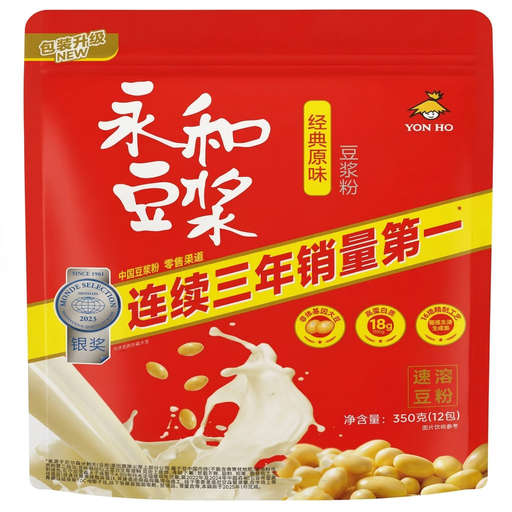
Why it suits this profile: The 350-gram pack is suitable for regular use at home or in the office. You can adjust the thickness yourself by changing the amount of water.
The ingredients and nutritional information state 58% soya beans, malt syrup and 32 grams of sugars per 100 grams. This means you can form a realistic idea of the sweetness in advance.
350 grams of contents; suitable for hot or cold preparation; can be used in smoothies and baked goods.
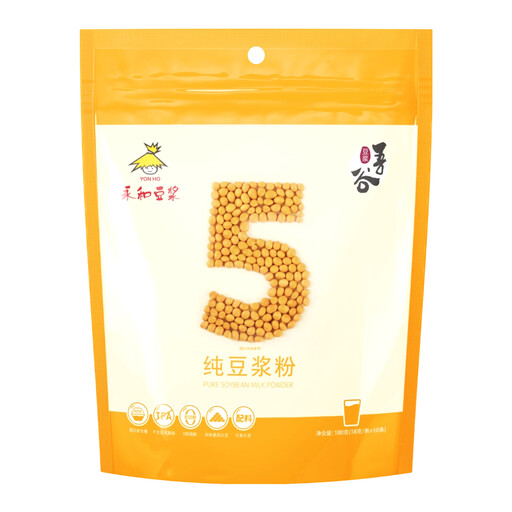
Why it suits this profile: For anyone who values a short ingredients list and a distinctive soya flavour more than sweetness or additional aromas.
The product information states 100% soya beans and no added sucrose. The nutritional information lists 40 grams of protein per 100 grams and 13.5 grams of sugars per 100 grams.
One ingredient according to the product description; 40 grams of protein per 100 grams; can be prepared with approximately 180 ml of hot water.
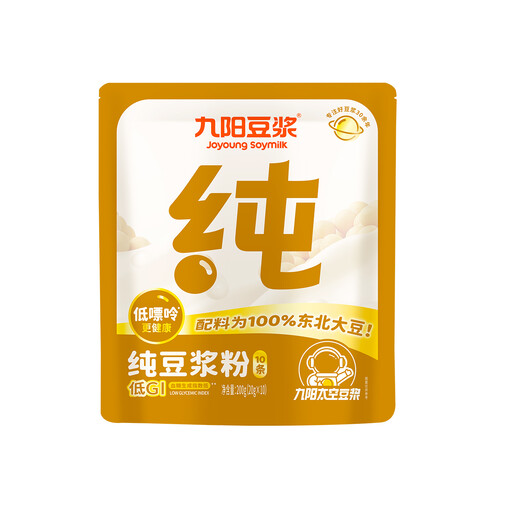
Why it suits this profile: The individual portions are practical for a regular drink after exercise, at work or while travelling.
The 20-gram portions mean you do not have to weigh out the powder each time. However, check the current packaging and allergen information yourself before buying.
10 individually packaged sachets; 100% soya according to the product information; 42 grams of protein per 100 grams.
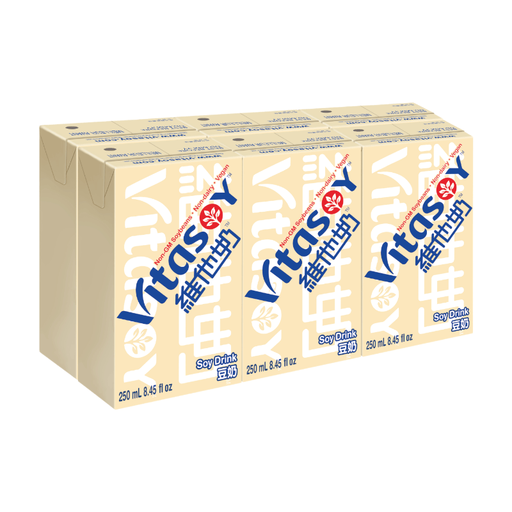
Why it suits this profile: The drink comes in individual cartons and is ready to drink. It is ideal for breakfast, the office or a chilled drink on the go.
There is no need to measure out powder or stir away lumps. However, check the ingredients list: sugar is included in the product specifications.
Six 250 ml cartons; ready to drink; made with non-genetically modified soya beans according to the product description.
We have put together a complete, up-to-date list of products that fully meet these strict selection criteria and the applicable European safety regulations.
First, use a small amount of warm water to make a smooth paste. Then gradually add the rest of the water while stirring or shaking. Follow the temperature and quantity stated on the packaging. These can vary between soya drink powders.
Store the powder in a cool, dry, airtight place. Moisture can affect its texture and solubility. Some product descriptions recommend using an opened pack within approximately 30 days. Always check the best-before date and instructions on your packaging.
According to the product information, the pure varieties mentioned contain no cows’ milk ingredients and can therefore fit into a lactose-free diet. However, always check the current ingredients list and allergen information. Soya itself is an allergen. For baby food or specific medical situations, ordinary soya milk is not a substitute without advice from a suitably qualified healthcare professional.
