
Vandaag of morgen in huis

Kwaliteit gegarandeerd

Welkomstaanbiedingen ontgrendelen: GRATIS bezorging | Tot 80% korting | Gratis 30 dagen JoyPlus-proefperiode
Download de app
Soya milk powder is ideal if you want to make a plant-based drink quickly without storing a large carton of liquid drink. The powder fits in a kitchen cupboard, often keeps for longer than an opened carton and can be taken to the office or on holiday. However, many products look similar while differing considerably in sugar content, protein, flavour and preparation method.
Pay particular attention to three common pitfalls:
If you are looking for a simple drink, start by checking the ingredients list. According to the product information, a product made from 100% soya beans contains no sugar, flavourings or other added ingredients. Other varieties may list maltodextrin, maltose syrup, white sugar, oil, flavourings or stabilisers.
Also compare the “of which sugars” per 100 grams value. This makes products easier to compare than relying solely on words such as “light”, “original” or “no added sugar” on the front of the pack. For example, according to the nutritional information provided, Joyoung No Added Sugar Soybean Powder contains 6 grams of sugars per 100 grams, while some flavoured varieties list between 27 and 45 grams.
Unsweetened soya milk powder can therefore be a sensible choice if you want to adjust the flavour yourself. However, “no added sucrose” does not rule out ingredients such as maltose syrup. Always read the full label.
For a plant-based protein drink, protein content is a useful point of comparison. Pure soya products in this range list up to 40 grams of protein per 100 grams of powder. Products containing sugar, grains, fruit or flavourings often have a lower protein content.
Also consider whether the other ingredients suit how you plan to use the product:
Soya is an allergen. Check the allergen information if you are sharing the drink with others or need to take food allergies into account.
Preparation methods vary by brand and product. Many powders call for approximately 20 to 30 grams of powder per 150 to 200 millilitres of water. Other individual sachets are already portioned for a specific amount of water.
For a smooth result, use the following method:
Ideally, use the temperature stated on the packaging. Some varieties require water at 70 to 80 °C, while certain sachets can also be prepared with cold or room-temperature water. With cold-brew soya milk powder, a small amount of sediment may be normal according to the product description.
Portion packs are practical for taking with you, but usually produce more packaging per glass. A 300 to 378 gram bag may offer better value for everyday use, while sachets are handy for the office, gym bag or holiday.
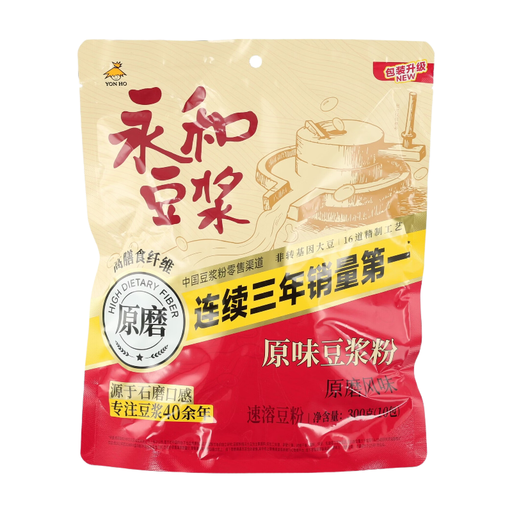
Why it suits this profile: A classic instant soya milk for anyone who wants to try a neutral soya drink first. The 300-gram pack is suitable for regular use at home.
The preparation instructions are clear: 20–30 grams of powder per approximately 200 ml of water at around 80 °C. However, check the sugar and maltodextrin content before ordering.
25 grams of protein per 100 grams, 300 grams of powder and suitable for drinks, baking and cooking according to the product description.
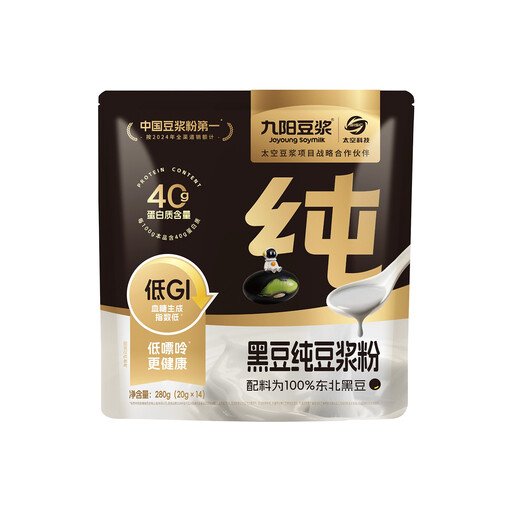
Why it suits this profile: For anyone who values a short ingredients list and a high stated protein content more than a sweet flavour.
According to the product information, it consists of 100% black soya beans and contains no sugar, flavourings or preservatives.
40 grams of protein per 100 grams and 14 sachets of 20 grams. Prepare with 120–150 ml of warm water at approximately 70–80 °C.
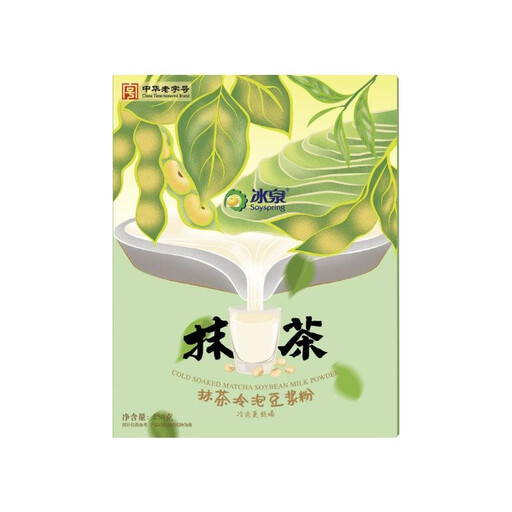
Why it suits this profile: Convenient for fans of Asian drinks who want to make a cold soya drink quickly at home, in the office or on the go.
The preparation instructions explicitly state that it can be made with cold or room-temperature water. The sugar content is 45 grams per 100 grams, so this is not the right choice for anyone looking for unsweetened soya milk powder.
According to the product information, it contains 54% soya beans and 2.5% matcha. The box contains 10 individual sachets of 25 grams.
We have put together a complete, up-to-date list of products that fully meet these strict selection criteria and the applicable European safety regulations.
As a general guide, use 20 to 30 grams of powder per glass. First add a little warm water, stir until smooth and then add the rest. The exact amount of water and temperature varies by product, so follow the instructions on the packaging. Some cold-brew varieties can be prepared with cold water.
Store the powder in a cool, dry place in a tightly sealed container. Moisture can cause clumping and a loss of quality. Some product descriptions advise using an opened pack within one month; always check the date and instructions on your packaging. It is best to drink prepared soya drink immediately.
Not always. “No added sugar” often means that no sucrose has been added, but a product may still contain maltose syrup, malt syrup or other sweetening ingredients. Therefore, compare both the ingredients list and the “of which sugars” value. If you are looking for the most neutral composition possible, consider a variety made exclusively from soya beans.
