
Vandaag of morgen in huis

Kwaliteit gegarandeerd

Welkomstaanbiedingen ontgrendelen: GRATIS bezorging | Tot 80% korting | Gratis 30 dagen JoyPlus-proefperiode
Download de app
Soya drink comes in more varieties than just plain. On the shelf and online, you’ll find unsweetened soya drink, barista versions, flavoured options, black soya drink and handy multipacks. That doesn’t always make choosing easy. A carton with words like “creamy”, “natural” or “rich in protein” doesn’t tell you everything about the ingredients.
If you’re looking for a plant-based alternative to milk, it’s worth avoiding three common pitfalls:
First, look at the nutritional information table per 100 ml. For a soya drink without sugar, it’s important that “sugars” is low and that no sugar or sweeteners have been added to the ingredients list. Pay attention to the difference between:
For example, the Alpro Unsweetened Soy Drink - 1 L lists 0 grams of sugars per 100 ml and 3.3 grams of protein. The Alpro Soyadrink Original lists 2.5 grams of sugars per 100 ml. Both can work in breakfasts, smoothies or recipes, but they aren’t interchangeable in terms of sweetness.
With flavoured products, the sugar content is generally higher. The Alpro vanilla variety lists 6.8 grams of sugar per 100 ml, while the banana drink lists 6 grams. The Sagiko Soya Bean Drink also lists 8.44 grams of sugar per 100 ml according to the product information. So always check the label, especially if you use soya drink daily.
Soya beans naturally provide plant-based protein. However, the amount varies depending on the recipe. The product information for the Alpro unsweetened variety states 3.3 grams of protein per 100 ml. The Original version lists 3 grams per 100 ml. Other drinks may have a lower content.
If you’re using soya drink as a lactose-free milk substitute, you can also look for added calcium and vitamins. The Alpro unsweetened variety lists 120 mg of calcium per 100 ml and added vitamins B2, B12 and D2. Vitasoy Original mentions calcium in the product description, but according to the label it also contains sugar.
A nutritional claim depends on the product and portion size. Use the packaging as a reference point and don’t assume that every plant-based milk has the same nutritional value. If you have an allergy: soya drink contains soya. Some products also contain grains such as wheat or barley.
For breakfast cereals, porridge and smoothies, a plain variety is usually sufficient. For coffee, a barista soya drink is more practical. The recipe is designed for frothing and a fuller mouthfeel, although results can vary depending on your coffee machine, temperature and technique.
Sproud Barista ZERO states according to its own product description that the drink contains no sugar or added sweeteners and is intended for frothing. This makes it an interesting option for cappuccino, latte or tea when you don’t want to add a sweet taste. For cooking, an unsweetened soya drink can also be more convenient than a vanilla or fruit variety.
Black soya drink and drinks with roasted grains often have a distinctive flavour. They are mainly suitable as a standalone drink or as part of a breakfast. With these varieties, check the sugar content and allergens extra carefully. A black colour doesn’t automatically mean there’s less sugar in it.
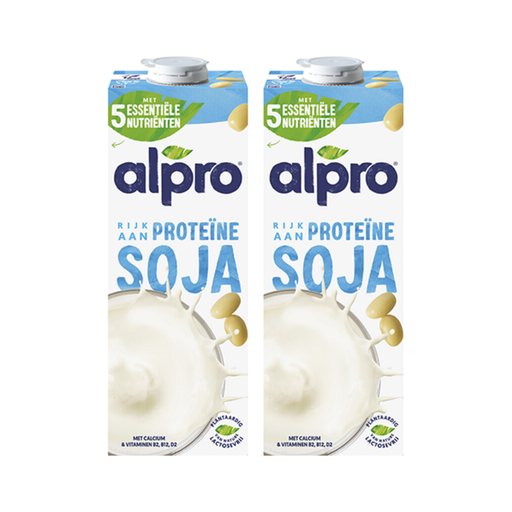
Why this fits the profile: A twin pack of 1 litre is practical for breakfast, smoothies and daily use. The mild flavour is accessible if you’re trying soya milk for the first time.
The nutritional information lists 2.5 grams of sugar and 3 grams of protein per 100 ml, so you’re not basing your choice on the packaging alone.
1 litre per carton, UHT storage and, according to the product information, a source of calcium and vitamins B2, B12 and D2.
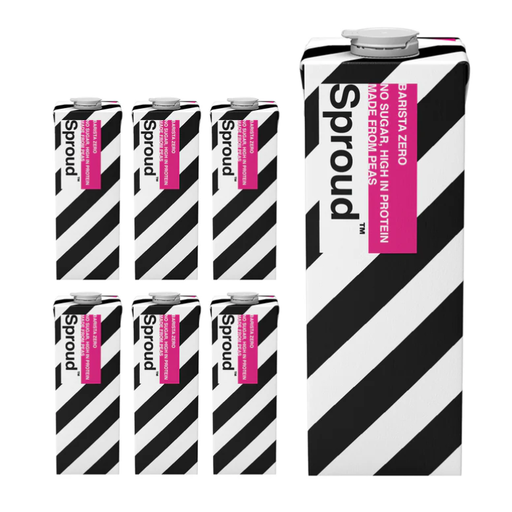
Why this fits the profile: Designed for coffee lovers who regularly make cappuccino or latte and want to stock up in bulk.
According to its own product description, this drink contains no sugar or added sweeteners and is designed for frothing.
Barista version, pack of 6 × 1 litre and a recipe without sugar or added sweeteners according to the brand description.
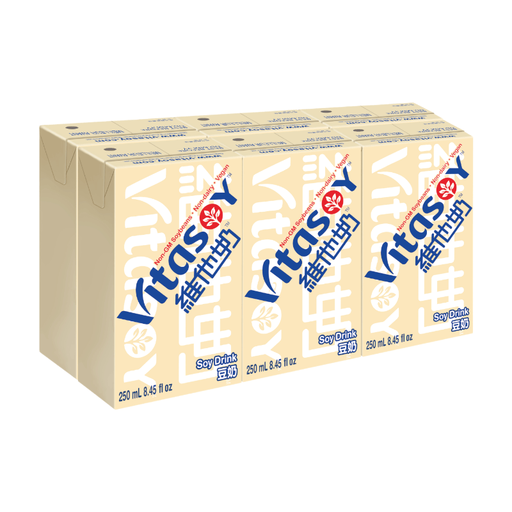
Why this fits the profile: The portion packs are handy for work, school, travel or a breakfast without a fridge on site.
The product information clearly states sugar, soya and the portion size of 250 ml. This allows you to consciously compare the sweeter original flavour with an unsweetened option.
Six individual 250 ml cartons, ready to drink and, according to the product information, with plant-based protein and calcium per portion.
We’ve put together a full, up-to-date list of products that fully meet these strict selection criteria and comply with current European safety regulations.
In everyday use, soya drink and soya milk are often used interchangeably. On packaging and in shops, you’ll usually see the term soya drink. The composition varies by brand: pay attention to the soya content, sugar, protein, calcium and any vitamins.
A barista soya drink is developed for this purpose. Sproud Barista ZERO states according to its own product description that the drink is frothable and contains no sugar or added sweeteners. The result also depends on your coffee machine, temperature and frothing method.
Store an opened carton in the fridge and follow the instructions on the packaging. Some portion packs state that you should consume the drink within 24 hours; others give a period of several days. So always check the current product information rather than just the best-before date before opening.
