
Vandaag of morgen in huis

Kwaliteit gegarandeerd

Welkomstaanbiedingen ontgrendelen: GRATIS bezorging | Tot 80% korting | Gratis 30 dagen JoyPlus-proefperiode
Download de app
A carton of soya drink may seem like a simple shopping choice, but products can vary considerably. One drink may be unsweetened and intended for breakfast or cooking, while another is mainly marketed as a sweet thirst quencher. The format also matters: a 1-litre carton is practical for home, while smaller portions are more convenient when you’re out and about.
When comparing soya milk, plant-based milk and lactose-free milk, don’t just look at the front of the packaging. It often features terms such as “high in protein”, “with calcium” or “original flavour”. Always check the ingredients list, nutrition table and allergen information.
A vegan soya drink can still contain sugar. For example, Alpro Soyadrink Original lists 2.5 grams of sugar per 100 ml, while the unsweetened version contains 0 grams of sugar per 100 ml, according to the product information. A flavoured version will generally contain more sugar: Alpro Soya Drink Banana contains 6 grams of sugar per 100 ml.
If you want to limit your sugar intake, look specifically for unsweetened soya drink and check whether sugar, syrup or maltodextrin appears in the ingredients list.
Calcium may occur naturally or be added to the drink. The amount varies by brand and variety. Alpro Unsweetened Soy Drink’s product information states that it contains 120 mg of calcium per 100 ml. Yeo’s Black Soy Drink contains 67 mg of calcium per 100 ml.
So compare the figure in the nutrition table rather than relying solely on the claim on the front. According to information provided by the Alpro brand, the drink also contains vitamins B2, B12 and D2. This is a product characteristic from the description; it does not mean that the drink has any medical effect.
Soya is itself an allergen. Some varieties also contain grains or gluten. For example, V-SOY Original Soy Drink lists barley milk among its ingredients and identifies gluten as an allergen. The product information for Alpro Unsweetened Soy Drink also lists “soy, gluten” under allergens, despite stating that the product is free from dairy and gluten.
If you have an allergy or strictly avoid gluten, it’s best to check the physical packaging. Online product information can change, and the manufacturer may alter the recipe.
The nutrition table per 100 ml makes different pack sizes easy to compare. At a minimum, look at:
Alpro Original lists 3 grams of protein per 100 ml and 39 kcal. The unsweetened version contains 3.3 grams of protein and 33 kcal per 100 ml. These are verifiable figures from the product information provided.
Look for soya drink with calcium if you want a product with added calcium. Also check whether vitamins have been added and how much is present per 100 ml. Don’t be guided solely by words such as “fortified” or “nutritious”; the table provides the relevant quantities.
A 1-litre soya drink is well suited to everyday use in a household. According to the product information, UHT cartons can be stored unopened outside the fridge in a cool, dry place. Once opened, the carton should be refrigerated and used within the stated period.
Smaller packs, such as Vitasoy Original Soy Milk 250 ml x 6, Joyoung 200 ml x 3 or SAHMYOOK 190 ml, are suitable for lunch, the office or when you’re out and about. They may help prevent waste if you only drink soya drink occasionally.
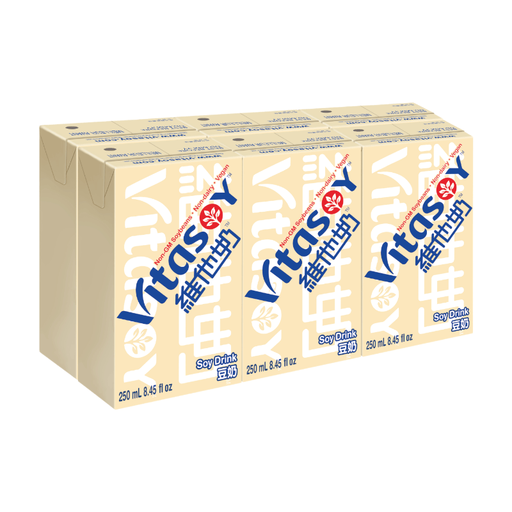
Why it suits this profile: Six individual 250 ml portions are easy for beginners who want to try soya drink first or regularly take a carton with them.
The packaging and portion size are clearly specified. However, note that the ingredients list includes sugar, so this is not an unsweetened soya drink.
Ready to drink; 6 × 250 ml; according to the product information, each portion contains calcium and plant protein.
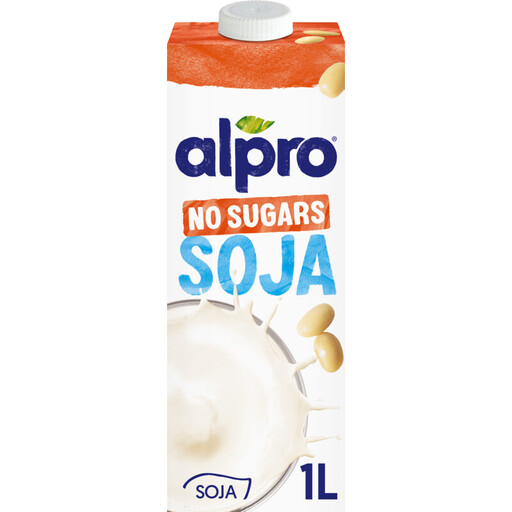
Why it suits this profile: A 1-litre carton with a neutral, unsweetened base is suitable for breakfast, smoothies, pancakes and savoury recipes.
The nutrition information states 0 grams of sugar per 100 ml. Before buying, however, check the allergen information on the current packaging.
3.3 g protein, 120 mg calcium and 33 kcal per 100 ml according to the product information.
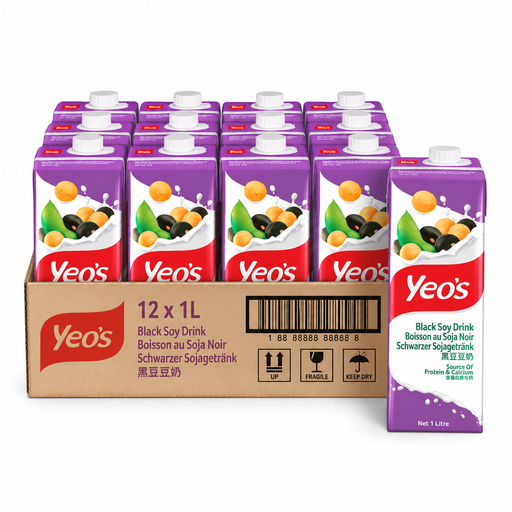
Why it suits this profile: The box of twelve 1-litre cartons is aimed at households, hospitality businesses or fans of Asian soya milk who want to keep a supply in stock.
The total volume is clear in advance: 12 × 1 litre. This allows you to calculate the price per litre rather than looking only at the price of the box.
1-litre cartons; according to the product information, 67 mg calcium and 2 g protein per 100 ml; suitable for serving chilled or at room temperature.
We’ve put together a complete, up-to-date list of products that fully meet these strict selection criteria and the applicable European safety regulations.
In practice, soya drink and soya milk are often used interchangeably. In the European market, the term soya drink is generally used for a plant-based product made from water and soya. The composition, amount of soya, sugar and added calcium varies by brand.
An unsweetened variety with a neutral flavour, such as Alpro Unsweetened Soy Drink, is practical for coffee, porridge, sauces and baking. For smoothies or drinking straight, a sweetened or flavoured variety may better suit your taste. Once opened, always check the storage instructions and shake the carton if the label advises you to do so.
According to the product information, unopened UHT soya drink can be stored outside the fridge, provided the packaging is kept cool, dry and out of direct sunlight. Once opened, the drink should be refrigerated. Follow the time limit stated on the packaging; some small packs advise using the product within 24 hours. Always check the best-before date, seal and smell before consuming.
