
Vandaag of morgen in huis

Kwaliteit gegarandeerd

Welkomstaanbiedingen ontgrendelen: GRATIS bezorging | Tot 80% korting | Gratis 30 dagen JoyPlus-proefperiode
Download de app
Soy sauce is a staple seasoning in many kitchens across the Netherlands. A splash can add more umami to rice, noodles, tofu, vegetables, fish or meat. Yet many bottles look similar, while the differences in salt content, sweetness, use and volume can be significant.
If you only pay attention to words such as “premium”, “traditional” or “authentic”, you may end up buying a product that does not suit your dish. Below, we highlight the key points to consider, along with some popular choices based on verifiable product information.
Not every soy sauce is intended as a neutral seasoning. Ketjap manis and other sweet soy sauces often contain a lot of sugar and have a thicker consistency. This is useful for nasi, satay, marinades and glazes, but less suitable when you only want to add salt and umami to a dish.
So check the ingredients list. ABC Sweet Soy Sauce lists sugar first in its ingredients and states in its nutritional information that it contains 60 grams of sugar per 100 grams. This makes it clear that it is a sweet seasoning rather than standard Chinese soy sauce.
Terms such as “premium”, “authentic” and “traditionally brewed” do not tell you enough on their own. According to Haday’s own product information, part of its range is traditionally fermented. You should also always check the ingredients, allergens, nutritional information and usage instructions on the product page or packaging.
For example, a product may contain MSG, sweeteners, preservatives or flavourings. That is not automatically a problem, but it is information you should take into account when making your choice.
A large bottle of soy sauce may seem cheaper per millilitre, but it is not right for every kitchen. After opening, several product descriptions recommend storing the bottle in the fridge and using it relatively quickly. You should also check whether you have enough space in your fridge.
For daily stir-frying or a professional kitchen, 750 ml soy sauce or even 1.9 litres may be practical. For a household that only makes sushi occasionally, 200 to 500 ml is often easier to manage.
First, decide what you need the sauce for:
Bear in mind that “for seafood” or “with mushroom flavour” is product positioning. According to the manufacturer’s own product description, Chu Bang Seasoned Soy Sauce for Seafood is intended for steamed fish, seafood and dipping sauces. The final flavour depends on the recipe and the amount you use.
Soy sauce is concentrated. The stated salt content varies across the range. For example, Chaoshan Jijin lists 17.5 grams of salt per 100 ml, while Pearl River Bridge Premium Delicious Soy Sauce lists 13.9 grams per 100 ml. Use small amounts and taste before adding extra salt.
For sweet varieties, the sugar content is particularly important. Go-Tan Ketjap Manis lists 48 grams of sugar per 100 grams; ABC Sweet Soy Sauce lists 60 grams. These sauces add colour and sweetness, but can quickly overpower a dish.
Many soy sauces contain soya and wheat. This applies, among others, to Chaoshan Jijin, Haday and Lee Kum Kee. If you need to avoid gluten or wheat, check the packaging carefully rather than relying solely on the name “soy sauce”.
Also check:
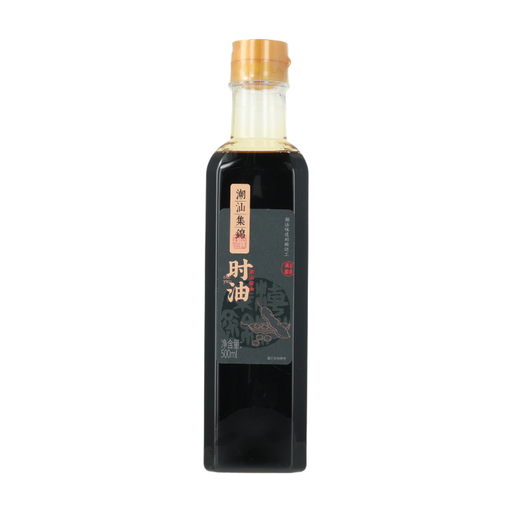
Why it is a good fit: A practical volume for everyday meals, from stir-fries to marinades and dipping sauces.
The product information states the volume as 500 ml and clearly indicates that the sauce can be used straight away as a seasoning or dip. It is not sweet ketjap manis.
According to the label, it contains soya and wheat; it lists 10 grams of protein and 17.5 grams of salt per 100 ml.
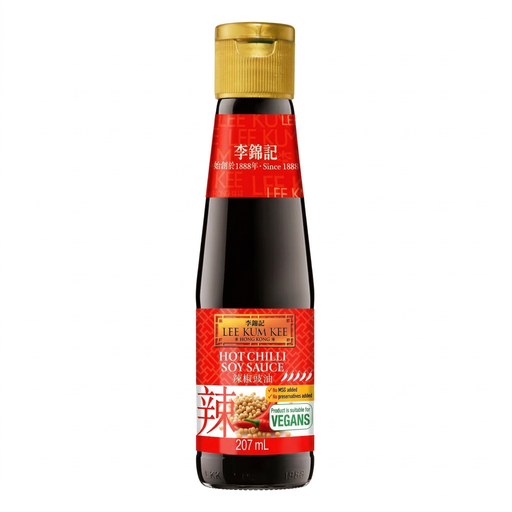
Why it is a good fit: According to the product description, it combines soy sauce with dried chilli for rice, noodles, stir-fries and marinades.
The smaller bottle means you do not have to buy a large supply of spicy sauce before you know how much heat you like.
207 ml volume; according to the ingredients list, it contains soya, wheat and 0.35% dried chillies.
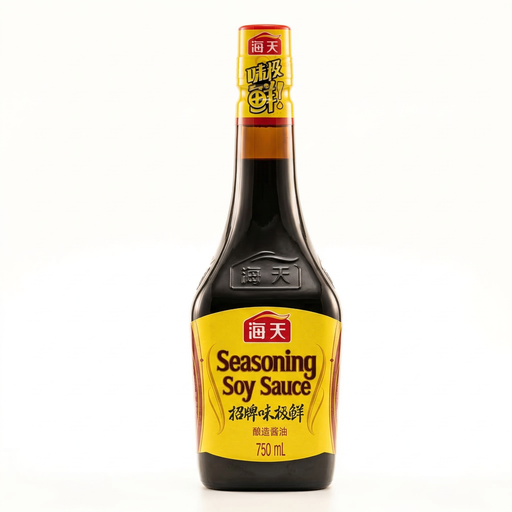
Why it is a good fit: The large bottle is designed for regular use in stir-fries, marinades, dressings and dipping sauces.
The volume is suitable for heavier use, so you are less likely to need several smaller bottles. Do check the best-before date and available storage space.
750 ml; 57 kcal and 16.25 grams of salt per 100 ml according to the product information.
Browse a current selection of soy sauces and Asian seasonings based on volume, intended use and product information.
A regular savoury soy sauce is usually suitable for stir-fries with vegetables, noodles, tofu or meat. A stir-fry sauce with sugar, such as Kikkoman Stir Fry Soy Sauce, is specifically intended for stir-frying according to the product description and can create a glossy, sweet-and-savoury coating. It is best to add sauces like these towards the end to help prevent the sugar from burning.
No. Ketjap manis is a sweet soy sauce with a thicker consistency. It works well with nasi, satay and marinades. Regular Chinese soy sauce is generally more savoury and less sweet. Always check the nutritional information if you want to reduce your sugar intake.
Store an opened bottle according to the label. Many product descriptions recommend keeping it in a cool, dry place before opening and in the fridge afterwards. Close the bottle tightly, use a clean spoon and check its smell, colour and packaging. The exact shelf life varies by product, so check the date and storage instructions on the bottle.
