
Vandaag of morgen in huis

Kwaliteit gegarandeerd

Welkomstaanbiedingen ontgrendelen: GRATIS bezorging | Tot 80% korting | Gratis 30 dagen JoyPlus-proefperiode
Download de app
A bottle of soy sauce may seem like a simple choice, but there’s a big difference between light, dark, sweet and Japanese varieties. The wrong bottle can make a dish too salty, too sweet or too heavy. The size and ingredients matter too, especially if you cook Asian food regularly or want to stock up.
Dark soy sauce isn’t automatically saltier. Chinese dark soy sauce is often used to add colour, a fuller flavour and a hint of sweetness. Light soy sauce is generally better for seasoning dishes, but salt content varies by brand. Always check the nutritional information per 100 ml.
For comparison, Murasaki Soy Sauce lists 12.7 grams of salt per 100 ml, while Kikkoman Soy Sauce lists 16.9 grams. So the flavour isn’t determined by the label ‘light’ or ‘dark’ alone.
Indonesian ketjap manis, Thai sweet soy sauce and Hong Kong-style sweet soy sauce contain considerably more sugar than a classic savoury variety. They’re intended for marinades, noodles, stir-fries and dips, but can quickly make a dish sweet.
According to the product information, ABC Indonesian Sweet Soy Sauce contains 79 grams of sugar per 100 ml. A KETJAP Kental Sweet Soy Sauce contains 44.4 grams per 100 ml. Use these sauces to add flavour, rather than as a direct substitute for light soy sauce.
A 1.75- or 1.9-litre bottle may seem like good value, but it’s most practical if you cook often or run a professional kitchen. For occasional use, 250 to 500 ml is often more manageable. Check the storage instructions too. Some products recommend refrigerating after opening, while others simply need to be kept tightly sealed in a cool, dry place.
Use the following guide as a practical starting point:
For sushi and sashimi, a specialist sauce such as Obento SUSHI & SASHIMI SOY SAUCE makes more sense than thick, sweet ketjap. For a stir-fry, light soy sauce can give you more control over saltiness and colour.
The basic ingredients are often water, soya beans, wheat and salt. If you avoid wheat or gluten, check the label carefully. The selected products frequently list soya and wheat as allergens. Some varieties also contain sugar, molasses, caramel colouring, preservatives, sweeteners or flavour enhancers.
A product description may say that a sauce is suitable for vegetarians or vegans. If you’re unsure, always check the current packaging, as ingredients and labelling can change.
Keep three practical points in mind:
A large bottle is only good value if you can use the sauce within the recommended period and store it properly.
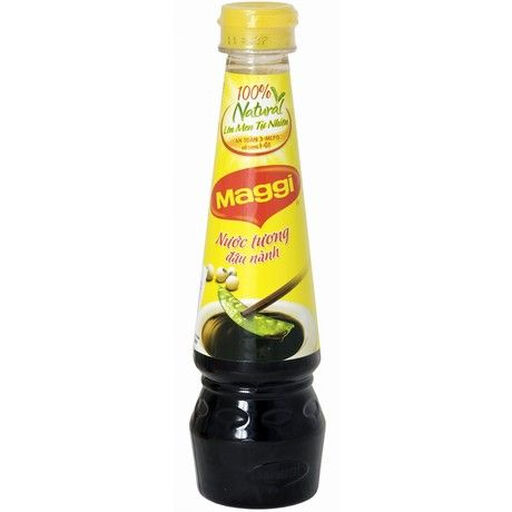
Why it suits this profile: The 300 ml size is practical if you want to try a versatile soy sauce without buying a large bottle.
The product information lists several ways to use it. Be sure to check the current ingredients list for potential soya and wheat allergens.
Compact size and, according to the product information, suitable for general cooking. The listed salt content is around 12.1 grams per 100 ml.
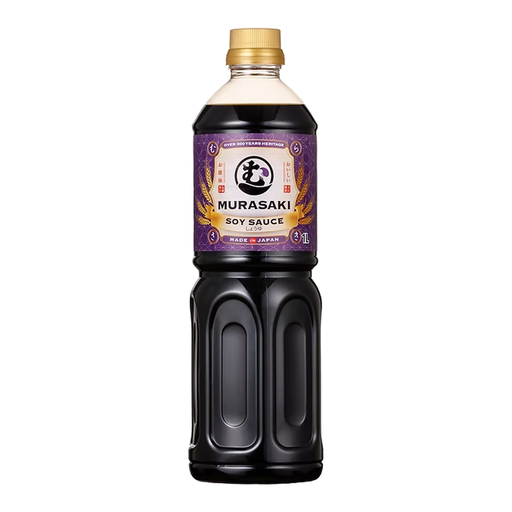
Why it suits this profile: This Japanese soy sauce is a good choice for home cooks looking for one bottle to use in marinades, dips and everyday seasoning.
Its Japanese origin and ingredients are listed, so you don’t have to rely on colour or a marketing name alone.
1-litre bottle, 0 grams of fat and a listed salt content of 12.7 grams per 100 ml. The product information recommends refrigerating after opening.
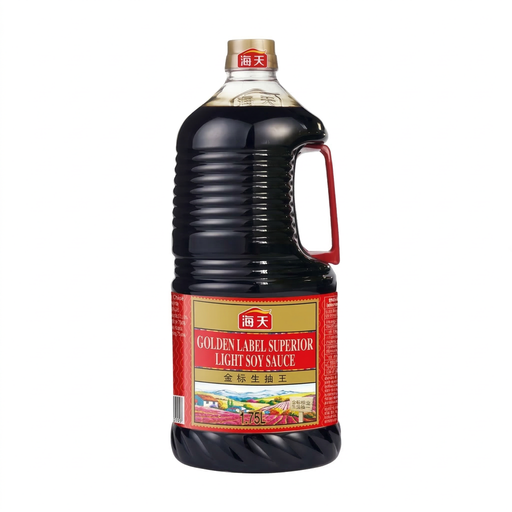
Why it suits this profile: The large bottle is ideal for keen home cooks, professional kitchens and food businesses that regularly make stir-fries, marinades and dips.
The product information describes it as a light soy sauce for stir-frying, marinating and dipping. Check the bottle for the current storage period after opening.
1.75-litre bottle, 0 grams of fat and 9.2 grams of protein per 100 ml according to the product information. Contains soya beans and wheat.
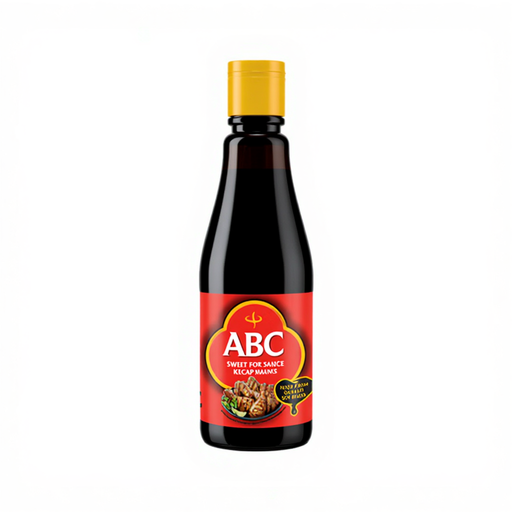
Why it suits this profile: Thick, sweet ketjap manis is a great match for nasi, satay, marinades, stir-fries and as a dip with Indonesian meals.
The product description makes clear that this is a sweet, thick sauce, so it’s less suitable as a neutral substitute for light soy sauce.
600 ml bottle and, according to the product information, suitable for marinades, stir-fries and dips. Contains sugar, soya, wheat and sulphites.
We’ve put together a complete, up-to-date list of products that meet these strict selection criteria and current European safety regulations.
Choose a Japanese soy sauce or a product made specifically for sushi and sashimi. A thinner, saltier sauce generally works better as a dip than thick ketjap manis. Serve a small amount separately so the rice and fish aren’t completely covered in sauce.
Light soy sauce is mainly used to add saltiness and flavour. Dark soy sauce adds more colour and a fuller flavour to braised dishes, noodles and marinades. Always check the ingredients and nutritional information, as terms and recipes vary between brands.
Follow the instructions on the packaging. Keep the bottle tightly closed, out of direct sunlight and in a cool, dry place. Some products recommend refrigerating after opening. Use a clean spoon or pour directly from the bottle to reduce the risk of contamination, and check the smell, colour and use-by information before use.
