
Vandaag of morgen in huis

Kwaliteit gegarandeerd

Welkomstaanbiedingen ontgrendelen: GRATIS bezorging | Tot 80% korting | Gratis 30 dagen JoyPlus-proefperiode
Download de app
Having soy sauce in your pantry is a good start, but the wrong bottle can make or break a dish. Many home cooks get it wrong, ending up with a stir-fry that's too salty, a marinade that won't stick, or a nasi goreng that lacks its signature sweet flavour. The Asian sauce aisle can be overwhelming, and the labels aren't always helpful.
Before you grab just any bottle, it's useful to know the most common pitfalls. This will prevent you from wasting money on a sauce that doesn't suit your cooking style.
You don't need to be an ingredients expert to make the right choice. Pay attention to two simple factors: the type of sauce and the base ingredients. These determine 90% of your dish's success.
The origin of the sauce often provides a good indication of its flavour and application.
A quick glance at the label tells you a lot about the quality and flavour profile.
Below are some popular choices, matched to different cooking styles and needs.
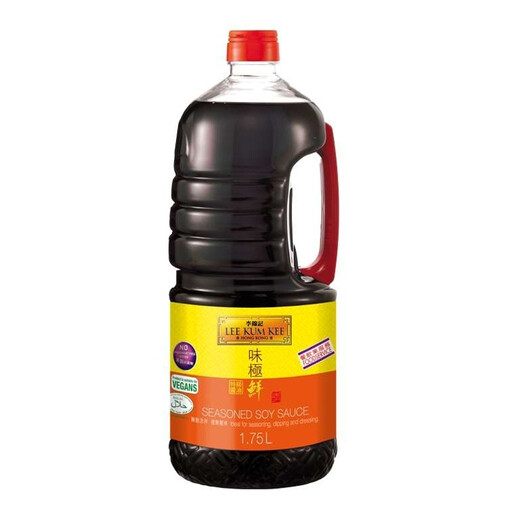
Why This Fits Their Persona: They're looking for a reliable, versatile sauce for daily use, from stir-frying to marinating. This large bottle is economical, and its balanced flavour makes it suitable for many different dishes without being overpowering.
This is a seasoned all-purpose sauce, which sidesteps the "one-sauce-fits-all" pitfall by genuinely offering broad usability, unlike a very specific light or dark variety.
Large, economical bottle for the frequent cook. A versatile flavour that serves as a base for various Asian cuisines.
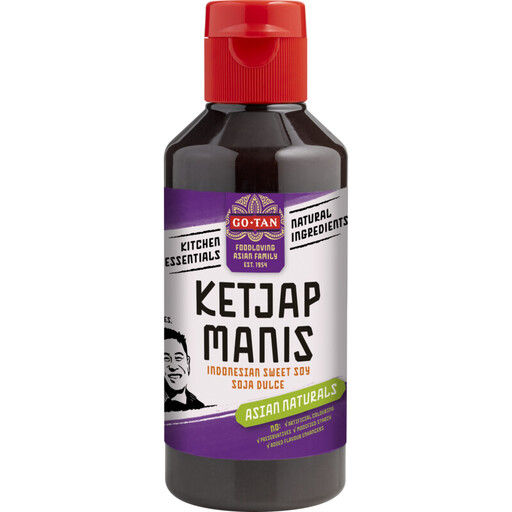
Why This Fits Their Persona: This person wants the authentic, sweet, and syrupy flavour for dishes like nasi goreng, bami, and satay. The focus is on the specific taste of Indonesian cuisine, not a generic salty sauce.
By deliberately choosing ketjap manis, it avoids the pitfall of using a standard salty soy sauce for a dish that requires sweetness. This is a textbook example of using the right sauce for the right application.
Made according to an authentic family recipe and 100% natural, according to the brand. It gives dishes their characteristic sweet flavour and glaze.
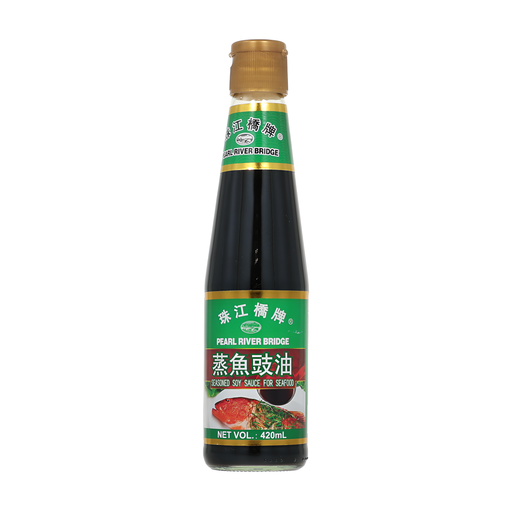
Why This Fits Their Persona: This cook often prepares delicate dishes like steamed fish and knows that a standard soy sauce can ruin the flavour. They are looking for a product specially formulated to complement the freshness of seafood.
This product directly addresses the "wrong application" pitfall. Instead of using a sauce that is too salty or dark, this soy sauce for seafood offers a balanced saltiness that enhances the flavour of the main ingredient.
Specially formulated for steaming fish. The flavour is savoury and balanced to accentuate the freshness of the fish.
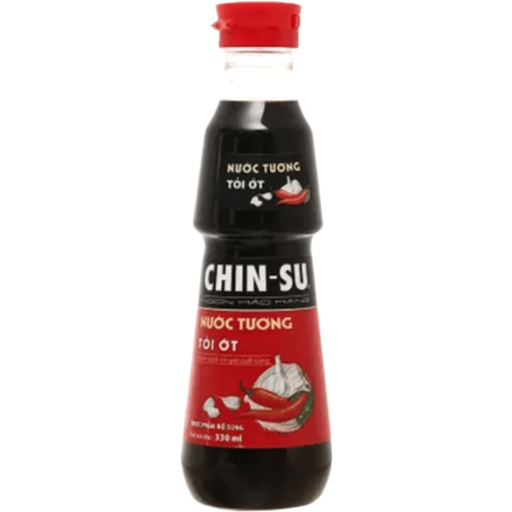
Why This Fits Their Persona: This user wants a ready-to-use sauce with a kick. It's ideal as a dipping sauce for spring rolls, dim sum, or grilled meat, without the hassle of mixing in chilli and garlic themselves. Convenience and a distinct flavour are key.
This is a specialised spicy soy sauce. It prevents the mistake of unbalancing a dish by adding loose chilli to an unsuitable base sauce.
Ready to use as a dipping sauce with a balanced combination of salt, spice, and garlic. The slightly thicker texture clings well to food.
We have compiled a complete, up-to-date list of products that fully meet these strict selection criteria and local regulations.
Soy sauce, often from China or Japan, is typically a thin, salty liquid used as a base seasoning. Ketjap manis is an Indonesian variety that is significantly sweeter and thicker due to the addition of palm sugar or molasses. They are fundamentally different and generally cannot be substituted for one another in recipes.
Although soy sauce has a long shelf life due to its high salt content, it is advisable to store an opened bottle in the refrigerator. This helps to optimally preserve its flavour and quality, especially for traditionally brewed sauces without preservatives. The cold slows down the oxidation process that can affect the taste.
You can, but be aware of the consequences. Dark soy sauce is less salty but gives a dish a much darker colour and a deeper, slightly sweet flavour. If you use it as a substitute for light soy sauce, you may need to add extra salt, and your dish will look different. For a primarily salty flavour, light soy sauce is the better choice.
