
Vandaag of morgen in huis

Kwaliteit gegarandeerd

Welkomstaanbiedingen ontgrendelen: GRATIS bezorging | Tot 80% korting | Gratis 30 dagen JoyPlus-proefperiode
Download de app
Soy sauce might seem like a simple product, but the differences between bottles are significant. A light Chinese soy sauce is not the same as a dark variety from Thailand. The amount of salt, sugar, flavour enhancers and bottle size also determine whether a purchase is right for your kitchen.
For home cooks in the UK, these are the main pitfalls to watch out for:
Light soy sauce is usually thinner and lighter in colour. The flavour is often salty and savoury, making it suitable for stir-frying, marinating, cold dishes and dipping sauces. Chinese light soy sauce is commonly used as an everyday seasoning.
Pay attention to the nutritional information. In the product details for Haday Superior Light Soy Sauce 500 ml, for example, it states 14.3 grams of salt per 100 ml. Lee Kum Kee Premium Light Soy Sauce lists 18 grams of salt per 100 ml. So use small amounts and taste before adding extra salt.
Dark soy sauce is mainly used for colour and a fuller flavour profile in stews, marinades and fried noodles. According to the product information, Lee Kum Kee Premium Dark Soy Sauce contains sugar, caramel colour and a stabiliser. The nutritional values show 12 grams of salt and 10 grams of sugars per 100 ml.
Thai dark soy sauce can have a different composition. According to the label, Healthy Boy Black Soy Sauce D consists largely of molasses and contains only a smaller proportion of soy sauce. This means it cannot be used as a direct substitute for Chinese dark soy sauce.
Thai soy sauce comes in light, dark and sometimes sweeter varieties. Healthy Boy Thin Soy Sauce (700 ml) is intended for stir-fries, soups, marinades and dipping sauces. The ingredients list includes sugar, flavour enhancers, preservative and caramel colour.
Use a Thai variety when preparing a specific dish from Thai or Southeast Asian cuisine. For sushi or a simple dip, the flavour may turn out differently compared to a Japanese or Chinese soy sauce.
Most products in this selection contain soya beans and wheat. This means they are not suitable for people with a soya allergy or gluten intolerance. Always check the actual packaging, as recipes can change.
Also look out for extra ingredients such as:
A longer ingredients list is not automatically a problem, but it is a reason to decide whether the product suits your cooking style.
Compare the nutritional values per 100 ml, not just the claims on the front. “Low-sodium soy sauce” is often used as a search term for products with less salt or sodium. According to the product information, Songxianxian Low Sodium Matsutake Premium Brewed Soy Sauce states 1.2 grams of salt per 100 ml and claims 30% less sodium than regular soy sauce. Always check the label on the packaging you receive.
A dark or sweet variety may contain more sugar. This is important when you use the sauce in a marinade or sauce that already contains sugar, honey or hoisin.
A 300 ml or 500 ml bottle is usually practical for occasional use. For a household that stir-fries several times a week, 700 ml to 1.9 litres can be more economical. A large pack does require enough storage space.
Many products advise refrigerating the bottle after opening or keeping it tightly sealed. Follow the label on your product. Also make sure the pouring spout is clean and avoid direct sunlight and heat.
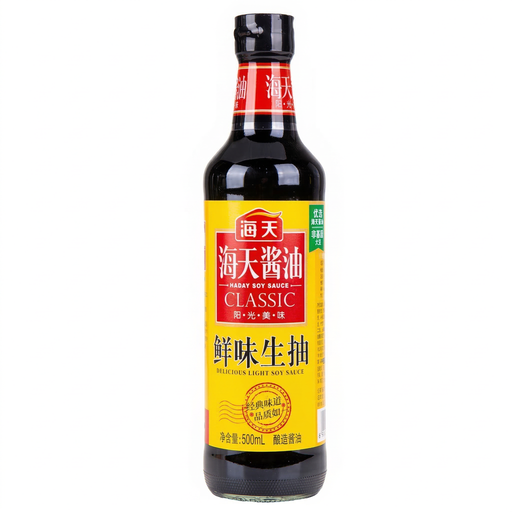
Why this fits the profile: A medium-sized bottle for everyday stir-frying, marinating, cold cucumber salad and dipping sauces.
The product information states a clear colour and multiple uses, so you don't have to select based on colour alone.
500 ml, suitable for stir-frying, marinating and dipping sauces; contains soya beans and wheat according to the label.
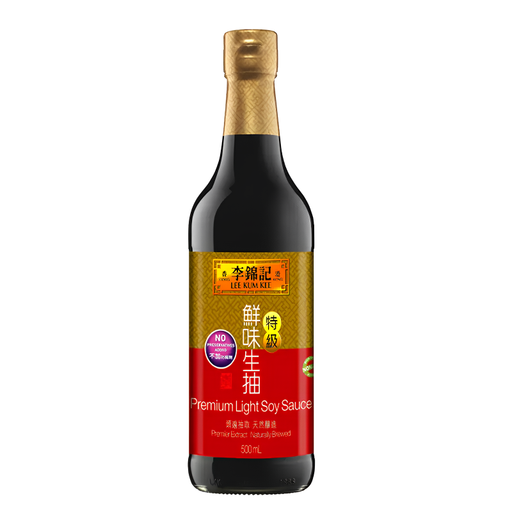
Why this fits the profile: A light Chinese soy sauce for those who value a clear umami flavour and wide versatility.
The product details provide ingredients, allergens and salt value per 100 ml, allowing you to verify the marketing text.
500 ml; suitable for cooking, marinating and dipping; contains fermented soya beans and wheat according to the product description.
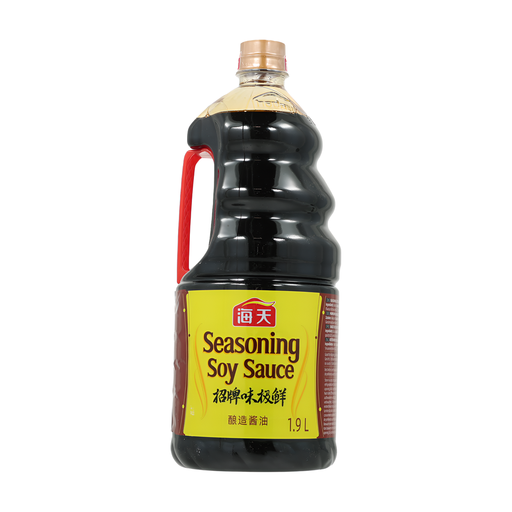
Why this fits the profile: The large bottle suits families, meal preppers and professional kitchens that use soy sauce frequently.
The 1.9-litre pack prevents heavy users from having to buy small bottles repeatedly; just check your storage space.
1.9 litres; suitable for stir-frying, braising, cold dishes and marinating; contains sweeteners according to the label.
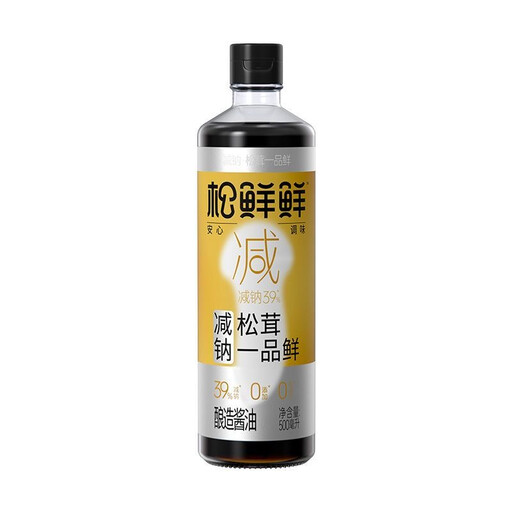
Why this fits the profile: An option for those who want to compare nutritional values side by side and appreciate a mushroom note in dishes.
The stated salt value of 1.2 grams per 100 ml allows for a direct comparison with other products.
500 ml; contains boletus edulis according to the product information; suitable for stir-frying, braising, marinating and dipping sauces.
We have compiled a full, up-to-date list of products that fully meet these strict selection criteria and comply with current European safety regulations.
For stir-frying, light soy sauce is usually the most practical choice, as it blends quickly with vegetables, meat, tofu and noodles. Add the sauce little by little during cooking. Use dark soy sauce when you want a deeper colour and fuller flavour.
Choose a light variety with a flavour you enjoy without extra sugar or spices. Chinese and Thai soy sauce can be used for this, but their saltiness and sweetness differ. Taste a small amount first and dilute if necessary with water, rice vinegar or sesame oil.
This varies by brand and recipe. Store the bottle according to the label, usually tightly sealed and sometimes refrigerated. Use a clean cap or pouring spout and check the smell, colour and flavour before adding the sauce. The best-before date on the packaging remains the guideline.
