
Vandaag of morgen in huis

Kwaliteit gegarandeerd

Welkomstaanbiedingen ontgrendelen: GRATIS bezorging | Tot 80% korting | Gratis 30 dagen JoyPlus-proefperiode
Download de app
The soy sauce aisle can be overwhelming. Bottles with different colours, names, and claims all vie for your attention. But how do you choose the right bottle for your dish without falling into the usual traps? As a Joybuy Product Recommendation Officer, I'm here to help you see through the marketing hype and make a fact-based choice.
Many home cooks make the same mistakes. They grab a bottle with an attractive label or a vague promise, only to end up with a product that overpowers their dish rather than enhances it. Let's look at two common missteps:
To avoid a bad purchase, it's helpful to focus on a few concrete specifications. These determine the flavour, quality, and best use for the sauce.
A traditionally brewed soy sauce is made from a simple base: soybeans, wheat, water, and salt. This mixture ferments for months, resulting in a complex and deep umami flavour. Check the label for the percentage of soybeans; a higher percentage often indicates a richer taste. Sauces packed with E-numbers, like flavour enhancers (E621/MSG) or colourings (E150/caramel), often use these additives to mask a shorter brewing process. A pure sauce doesn't need them.
The origin says a lot about the flavour profile. Although the lines are blurring, there are a few general guidelines:
The salt content in soy sauce can vary widely, from 11 grams to as much as 20 grams per 100 ml. If you're conscious of your salt intake, a low-sodium soy sauce is a wise choice. Compare the nutritional tables to make an objective decision. For the avid home cook, restaurant owner or large family, a large bottle of soy sauce (1 litre or more) is often more economical and practical.
Based on these criteria, we have selected a number of products that suit different user profiles.
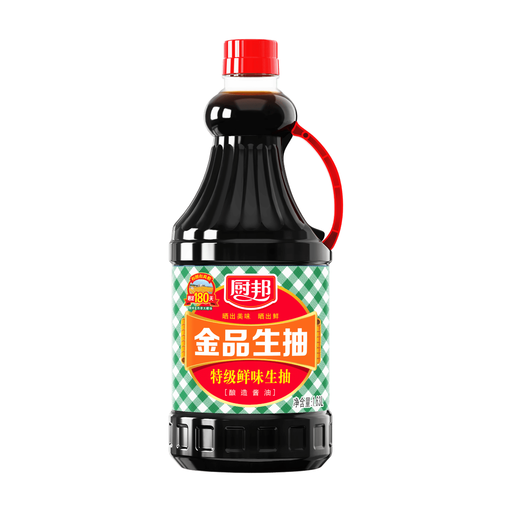
Why This Fits Their Persona: Ideal for families and home cooks who regularly prepare Asian cuisine. This large bottle offers excellent value for money for daily use in stir-fries, marinades, and as a general seasoning.
This is a clearly defined light soy sauce, specifically designed for adding salty umami flavour. No vague "all-purpose" claims, but a functional product for a specific task in the kitchen.
The large 1.63L bottle of soy sauce is economical and practical. The flavour is salty and savoury, exactly what you expect from a light soy sauce.
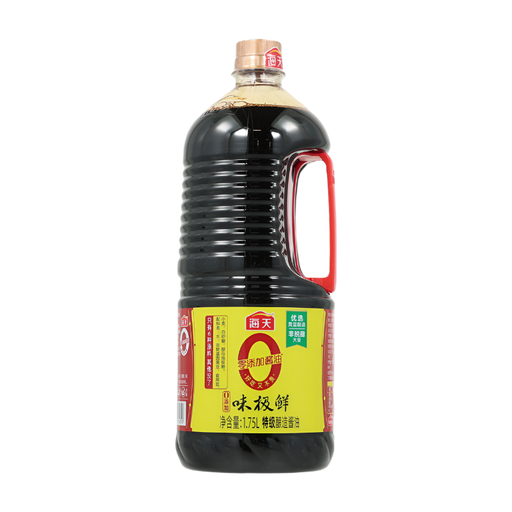
Why This Fits Their Persona: For the cook who values pure flavours and a clean ingredient list. This product focuses on authenticity, without artificial additives that can distort the taste of the dish.
This sauce tackles the "naturally brewed" illusion head-on. The "0% additives" claim is backed by a short ingredient list: water, soybeans (31%), salt, wheat (12%), sugar, and yeast extract. No E-numbers.
Naturally brewed with a high percentage of soybeans for a rich, authentic umami flavour. The large 1.75L bottle also offers great value.
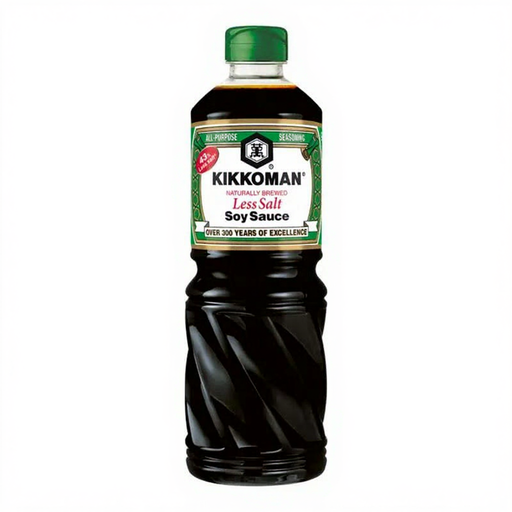
Why This Fits Their Persona: For those who are mindful of their salt intake but don't want to compromise on the authentic, rich flavour of a quality soy sauce. Suitable for restaurants or large families thanks to the value pack.
The "Less Salt" claim is not a marketing gimmick. The nutritional table confirms a salt content of 11.0 grams per 100 ml, significantly lower than the standard 16-19 grams found in many other soy sauces.
Brewed by Kikkoman, a globally renowned brand for Japanese soy sauce. It maintains a rich umami flavour despite the lower salt content.
Didn't find what you were looking for? There are more varieties that meet our strict selection criteria. Check out our full range for more choices.
The main difference is their function. Light soy sauce (or superior) is thin, salty, and used to season dishes without significantly altering their colour. It's the standard for stir-frying, dipping, and marinades. Dark soy sauce is aged longer, often with added molasses or caramel, making it thicker, darker, and less salty. You use it primarily to give dishes like stews and noodles a deep, rich colour and a mild sweetness.
An opened bottle of soy sauce is best stored in a cool, dark place, like a kitchen cupboard. Ensure the cap is always tightly closed. While refrigeration isn't strictly necessary due to the high salt content, it can help maintain optimal flavour for longer, especially for naturally brewed soy sauce without preservatives.
Not necessarily. The price is often determined by the brewing process, ageing time, and brand reputation. A more expensive, artisanally brewed sauce without additives often offers a more complex and pure flavour, which is ideal for dipping sauces or refined dishes. However, for daily use in marinades or stews, a more affordable large bottle of soy sauce from a reliable brand can be an excellent and economical choice. It depends on your personal preference and what you're using the sauce for.
