
Vandaag of morgen in huis

Kwaliteit gegarandeerd

Welkomstaanbiedingen ontgrendelen: GRATIS bezorging | Tot 80% korting | Gratis 30 dagen JoyPlus-proefperiode
Download de app
A bottle of soy sauce may seem simple to choose, but the difference between light, dark and sweet varieties is considerable. If you focus only on the packaging, brand name or the word “premium”, you could end up with a sauce that is too salty for sushi, too sweet for a stir-fry or not dark enough for a stew.
Pay particular attention to the flavour profile, ingredients, salt content, volume and intended use. This way, you avoid buying a larger bottle than you need and prevent the sauce from sitting unused in the cupboard.
Light soy sauce is generally intended to season dishes without adding much colour. Its flavour is often saltier and more pronounced. Dark soy sauce, on the other hand, is used for colour and extra depth, for example in stews, marinades and dishes with a dark sauce.
Dark soy sauce is therefore not automatically a substitute for light soy sauce. If you add too much, a dish can quickly become too dark or sweet.
Sweet soy sauce, such as Indonesian ketjap manis or Thai sweet soy sauce, contains noticeably more sugar and often has a thicker consistency. These varieties work well in marinades, nasi, satay, noodles and dipping sauces. For a classic salty dip or sushi, a regular Japanese soy sauce is usually the more suitable choice.
Always check the nutritional information. ABC Indonesian Sweet Soy Sauce, for example, lists 79 grams of sugar per 100 grams. This makes the sauce suitable for a sweet, syrupy flavour accent, but less practical as a neutral base sauce.
A 500 ml bottle of soy sauce is convenient for regular use at home, but a 1-litre bottle is not always better value if you only use the sauce occasionally. Also check the storage advice after opening. Different products recommend refrigeration or keeping the bottle tightly sealed. For professional use, 750 ml, 970 gram, 1-litre or 1.8-litre packs may be more appealing, provided they are used quickly enough.
Choose the variety based on the dish:
The origin provides an indication, but does not determine the flavour on its own. Japanese soy sauce, Chinese soy sauce and Korean soy sauce can all taste different due to their recipes, fermentation, sugar content and added ingredients.
Many traditional sauces contain soya beans, wheat and salt. If you need to avoid gluten or soya, it is worth checking the label for each product. Sugar, sweeteners, preservatives, colourings and flavour enhancers may also be part of the recipe.
For example, the product information for Lee Kum Kee Premium Light Soy Sauce lists water, defatted soya beans, wheat, salt, sugar and yeast extract. The allergens are soya and gluten from wheat. Sempio Jin S lists glucose-fructose syrup, sweetener E955 and preservative E211, among other ingredients. This difference may be important if you are looking for a shorter ingredients list.
Soy sauce is a concentrated seasoning. Therefore, compare the nutritional values per 100 ml or 100 grams, but also consider how much you actually use. In the product information provided, the salt content ranges from approximately 12.1 grams per 100 ml for Maggi to 16.9 grams for Kikkoman and 23.6 grams for Healthy Boy Mushroom Soy Sauce.
A low sugar content is better suited to savoury stir-fries. For ketjap manis, a high sugar content is characteristic. Use the sauce sparingly and taste the dish before adding extra salt.
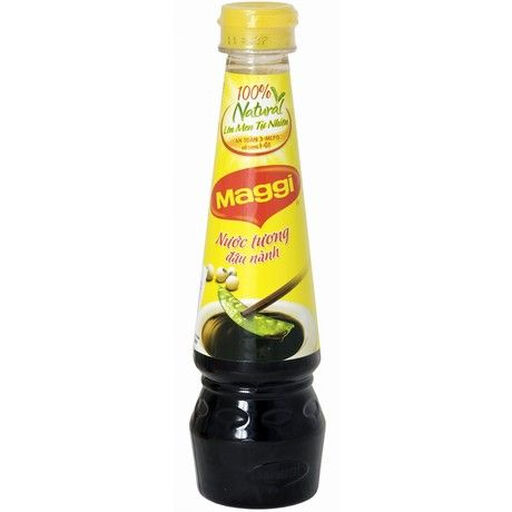
Why it suits this profile: The compact bottle is practical if you are trying soy sauce for the first time and do not need a large supply. The product information states that the sauce is suitable for various cooking methods.
At 300 ml, the bottle is less likely to remain open for too long. However, always check the current ingredients list and allergen information on the label.
300 ml; suitable for cooking and seasoning; nutritional information lists approximately 12.1 g of salt per 100 ml.
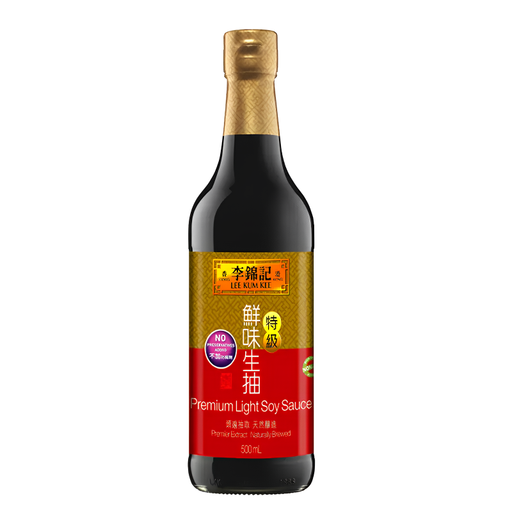
Why it suits this profile: According to the product description, this light sauce is fermented from defatted soya beans and wheat. The stated uses include dipping, marinating and cooking.
Here, “light” refers to the style of soy sauce, not necessarily a low salt content. The nutritional information lists 18 g of salt per 100 ml, so careful portioning is still important.
500 ml; suitable as a base sauce; origin: China; contains soya and wheat.
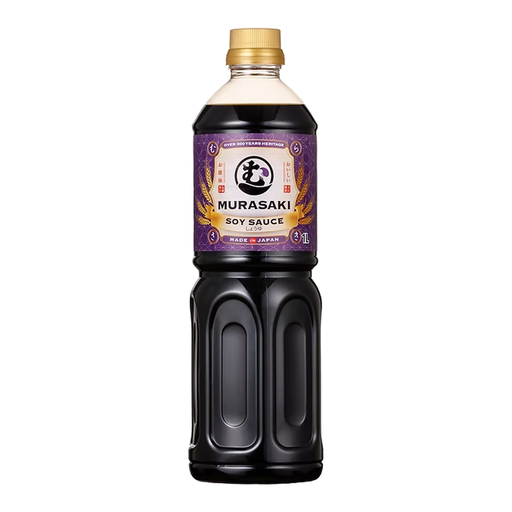
Why it suits this profile: The 1-litre bottle is ideal for frequent cooking, meal prepping or use in a professional kitchen. According to the product description, the sauce is suitable for seasoning, marinating and dipping.
The product information lists the volume, origin in Japan and a salt content of 12.7 g per 100 ml. This allows you to assess the bottle based on concrete information rather than solely on its country of origin.
1 litre; no sugar listed in the nutritional information; refrigerate after opening according to the product information.
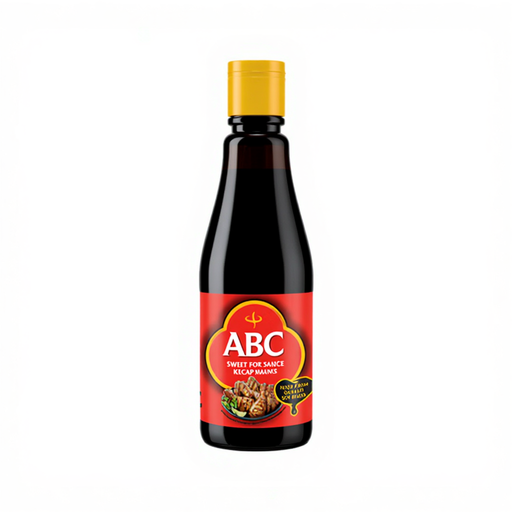
Why it suits this profile: According to the product description, this Indonesian ketjap manis has a thick consistency and sweet flavour. It is well suited to satay, nasi, stir-fries and sweet marinades.
The clear style description prevents confusion with regular soy sauce. However, the label lists soya, wheat and sulphites as allergens.
600 ml; syrupy texture; 79 g of sugar per 100 g according to the product information; suitable for cooking and dipping.
We have put together a complete, up-to-date list of products that fully meet these strict selection criteria and the applicable European safety regulations.
Japanese soy sauce often contains soya, wheat, water and salt, and is widely used for sushi, marinating and as a table sauce. Chinese varieties are available in light and dark styles. Light Chinese soy sauce is often suitable for seasoning and stir-frying, while dark soy sauce mainly adds colour and depth. The exact flavour depends on the ingredients and production method.
For sushi and sashimi, you can use regular Japanese soy sauce or a variety specifically labelled for this purpose. According to the product description, Obento Sushi & Sashimi Soy Sauce 250 ml was developed specifically for this use. Pour a small amount into a separate dish and dip the fish or sushi side briefly.
This varies by product. Store the bottle according to the label, usually somewhere cool and dry and away from direct sunlight. After opening, several product descriptions recommend keeping the bottle tightly sealed and, in some cases, refrigerated. If you only use soy sauce occasionally, choose a smaller bottle and check its smell, colour and packaging before using it.
