
Vandaag of morgen in huis

Kwaliteit gegarandeerd

Welkomstaanbiedingen ontgrendelen: GRATIS bezorging | Tot 80% korting | Gratis 30 dagen JoyPlus-proefperiode
Download de app
At first glance, soy sauce seems simple: a bottle with a salty, savoury flavour. However, in shops and online you'll come across light soy sauce, sweet soy sauce, mushroom soy sauce, spicy varieties and ready-made stir-fry sauces. The difference isn't just about the brand, but mainly about ingredients, salt content, sugar, texture and recommended use.
For home cooks in the UK, there are three common pitfalls to watch out for:
The right choice depends on the role the sauce plays in your cooking.
Light soy sauce typically has a thin consistency and is used to season dishes without adding much colour or sweetness. This type works well with noodles, vegetables, rice, fish, chicken and simple dipping sauces. Pay attention to the salt content: with some products, this ranges from around 12 to over 16 grams of salt per 100 ml.
A Chinese soy sauce with sweeteners can be handy for stir-fries, marinades, braising and dipping sauces. In that case, check whether the bottle explicitly states that sweeteners have been added.
Indonesian kecap manis is thicker and noticeably sweeter than light soy sauce. ABC's product information, for example, lists sugar as the main ingredient; one variant has a nutritional value of 79 grams of sugar per 100 grams. This makes the sauce suitable for nasi, satay, marinades and fried noodles, but less suitable when you only want to add salt and umami.
Use kecap manis sparingly in a marinade. Because of the sugar, the sauce can caramelise more quickly during frying or grilling.
Mushroom soy sauce contains, according to Healthy Boy's ingredients list, 1% mushroom extract, alongside soya beans, wheat, salt and sugar. The sauce is intended to add extra savouriness to stir-fries, noodles and vegetable dishes. The flavour isn't determined by mushroom extract alone, so check the full ingredients list.
A spicy soy sauce, such as a variety with chilli or fermented black beans, is suitable for tofu, fish, chicken, pork, aubergine and noodles. These products are usually concentrated. Start with a small amount and add more later.
Korean sauces are often directly aimed at a specific preparation. Sempio Korean Fried Chicken Soy & Garlic Sauce contains, according to the product information, naturally brewed soy sauce, garlic, onion, ginger, sugar and red pepper. The sauce is intended for marinating, glazing and dipping with chicken and barbecue dishes.
That's quite different from a neutral light soy sauce. A ready-made Korean sauce saves preparation time, but gives you less control over sweetness, heat and salt.
Most traditional soy sauces contain soya beans and wheat. This means they aren't automatically suitable for people avoiding gluten or soya. Kecap manis can also contain wheat. Banchandaji Soy Sauce Chili additionally lists sesame as an allergen.
Also check for additions such as sugar, glucose syrup, sweeteners, preservatives and flavour enhancers. The presence of an additive doesn't automatically mean a product is unsuitable, but the information helps you choose a sauce that fits your cooking style.
Always compare nutritional values on the same basis. A regular soy sauce can be high in salt, while kecap manis delivers a lot of sugar. The nutritional information for ABC Sweet Soy Sauce, for example, lists 108 grams of carbohydrates and 79 grams of sugar per 100 grams. For Lee Kum Kee Honey Soy Stir-Fry Sauce, it's 28.8 grams of sugar per 100 grams and 15.2 grams of salt.
A "less salt" variant isn't necessarily low in salt. Liu Yue Xian claims 42% less salt compared to a specific reference product from Shinho, with 12 grams of salt per 100 ml. So read the actual nutritional value rather than just the front of the packaging.
For occasional use, 120 to 500 ml is usually more practical than a 1.9 litre or 4.3 litre pack. Large bottles make most sense for families who cook Asian food often, restaurants or meal preppers.
Pay attention to storage instructions. Several products recommend refrigeration after opening, including Haday Signature Soya Bean Sauce, Liu Yue Xian and several Lee Kum Kee sauces. Keeping the bottle tightly sealed in a cool, dry place remains important. Always check the label for the exact best-before date and information about use after opening.
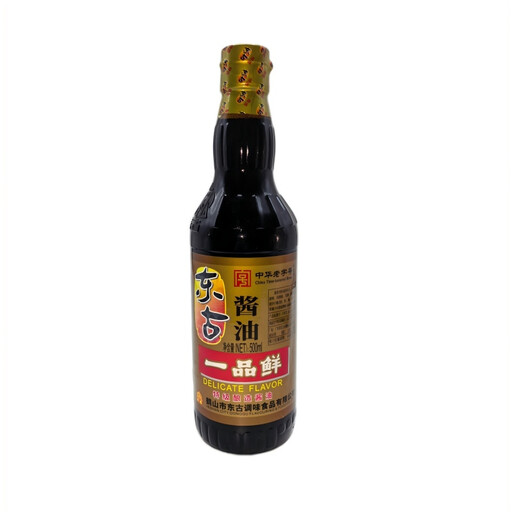
Why this fits the profile: The 500 ml bottle is suitable for everyday use in stir-fries, marinades, dips and simple meals.
The product information lists specific uses and warns that sweeteners have been added. This way you know it's not a completely neutral soy sauce.
500 ml content; suitable for stir-frying, marinating, dipping and everyday seasoning.
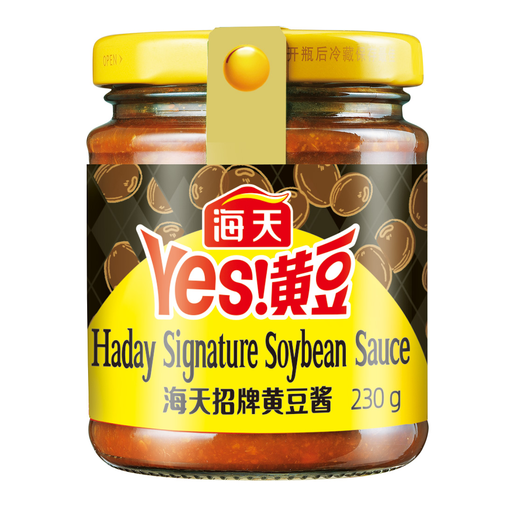
Why this fits the profile: This Chinese soy sauce is intended, according to the product information, for dipping, noodles, salads, stews and stir-fries.
The ingredients list and nutritional values are available, so you can check claims about fermentation and additives.
230 g pack; according to the product information, free from preservatives and artificial colours.
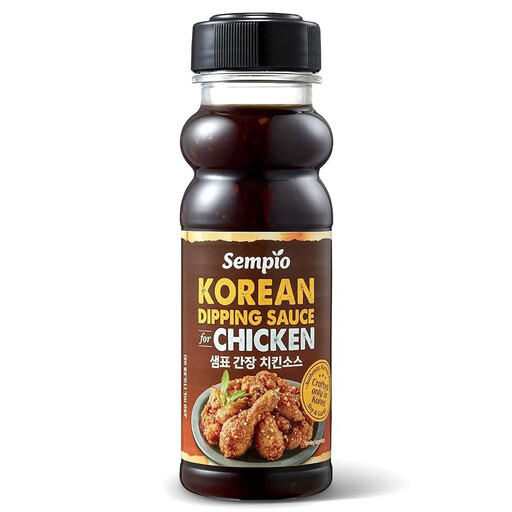
Why this fits the profile: This Korean sauce is designed for chicken, barbecue, marinating, glazing and dipping.
The intended use is clearly defined. You're not buying a general soy sauce when you actually want a ready-made marinade or glaze.
250 ml; contains soy sauce, garlic, onion, ginger and red pepper according to the ingredients list.
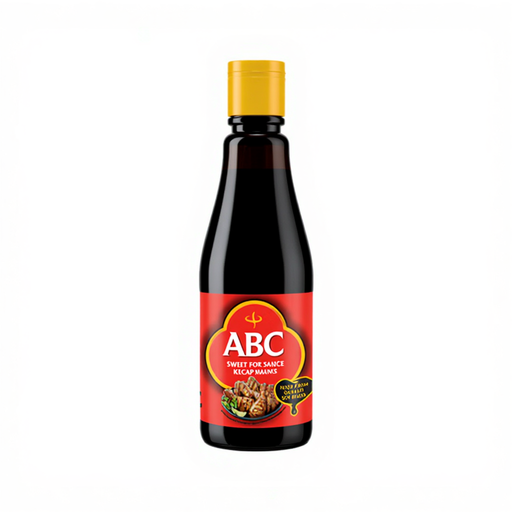
Why this fits the profile: The thick, sweet sauce works well with nasi, satay, stir-fries, marinades and dipping sauces.
The product name clearly states "Sweet Soy Sauce" and "Kecap Manis". You can factor the high sugar content into your recipe choice in advance.
600 ml content; syrupy texture and sweet-savoury composition for marinades and glazes.
We've put together a full, up-to-date list of products that fully meet these strict selection criteria and comply with current European safety regulations.
Soy sauce is usually thinner, saltier and less sweet. Kecap manis is an Indonesian sweet soy sauce with a thicker consistency. Use regular soy sauce for neutral seasoning and kecap manis for nasi, satay, marinades and glazes.
A light Chinese soy sauce is practical for everyday stir-frying. If you want a ready-made flavour, a honey soy stir-fry sauce or black bean sauce can be more convenient. Do check the sugar and salt content, as these sauces are more strongly seasoned.
Always follow the label. Many soy sauces can be stored in a cool, dark place, but several varieties recommend refrigeration after opening. Seal the bottle tightly and use the stated best-before and storage period as a guide.
