
Vandaag of morgen in huis

Kwaliteit gegarandeerd

Welkomstaanbiedingen ontgrendelen: GRATIS bezorging | Tot 80% korting | Gratis 30 dagen JoyPlus-proefperiode
Download de app
Soy sauce adds saltiness, umami and colour to dishes, but not every bottle suits every recipe. A light soy sauce for sushi can behave very differently from a dark variety for stews. Bottle sizes also vary considerably, from 250 ml for occasional use to a large soy sauce bottle containing 1.75 or 1.9 litres.
Focusing solely on words such as “premium”, “authentic” or “traditionally brewed” can still lead to an impractical choice. Instead, pay particular attention to the type, ingredients, salt content and volume. Below, you’ll find practical buying advice and popular choices for home cooks in the Netherlands.
Light soy sauce is generally intended to season dishes without adding much colour. This makes it suitable for marinades, dipping sauces, soups and stir-fries. Dark soy sauce is often thicker, sweeter and noticeably darker. It is primarily used to add colour and depth to stews, noodles and marinades.
Dark sauce is therefore not automatically a substitute for light soy sauce. Using too much can quickly make a dish taste heavy or overly sweet.
A 500 ml soy sauce bottle is a practical starting point for many households. If you cook Asian dishes several times a week, 750 ml, 1-litre or larger bottles may offer better value per millilitre. Do check the storage instructions, however. Some products recommend refrigerating the bottle after opening and using it within a few months to maintain the best quality.
A large bottle makes particular sense if you cook regularly or for several people. For a single sushi evening, 250 ml is often enough.
The front of the bottle often features terms that indicate style or market positioning, but not the complete formulation. Always check the ingredients list. Potential differences include:
If you have an allergy, always check the current label. Product information can change, and the packaging is the authoritative source.
Start by choosing according to the dish:
The terms Japanese soy sauce and Chinese soy sauce indicate an origin or culinary style, but do not tell you everything about the flavour on their own. Also read the usage instructions and ingredients list.
Soy sauce generally contains a significant amount of salt. Nutritional values vary by product. The supplied product information, for example, lists approximately 12 to 18 grams of salt per 100 ml for several light and dark varieties. According to the product information, Healthy Boy Black Soy Sauce contains approximately 32.4 grams of sugar per 100 ml, while a Japanese Murasaki variety lists 0 grams of sugar per 100 ml.
Compare products per 100 ml rather than by bottle alone. A sauce with less salt may still be unsuitable if you use large quantities. Measure with a spoon or small pouring jug, and taste before adding extra salt.
These formats are practical for everyday use:
Also check that the cap seals securely and where the bottle should be stored after opening. A bottle used frequently should be easy to pour from cleanly and accurately.
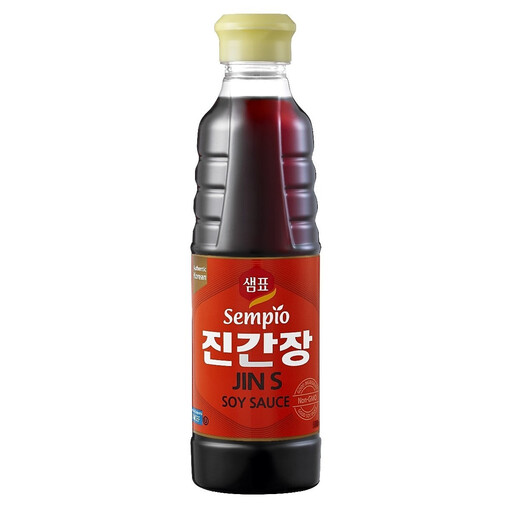
Why it’s a good fit: A manageable 500 ml bottle for home cooks looking for one versatile sauce for marinades, stir-fries and dipping.
The size helps minimise waste, while the product description highlights several uses rather than just one specific dish.
500 ml capacity; according to the product information, suitable for marinades, stir-fries and dipping sauces.
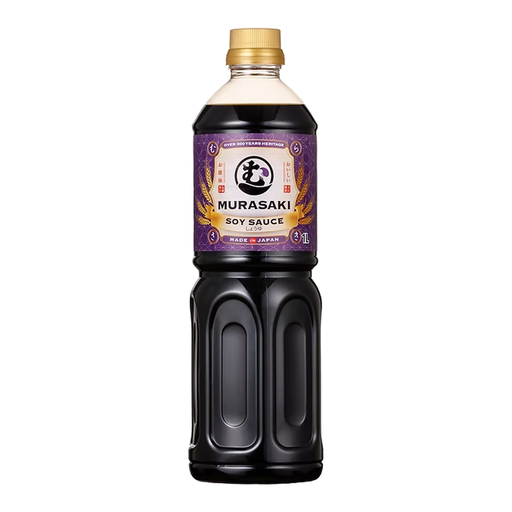
Why it’s a good fit: Japanese soy sauce in a 1-litre bottle for anyone who regularly prepares sushi, noodles or other Japanese dishes.
The product information specifies the sugar content, Japanese origin and recommendation to refrigerate after opening.
1-litre capacity and, according to the description, suitable for seasoning, marinating and dipping.
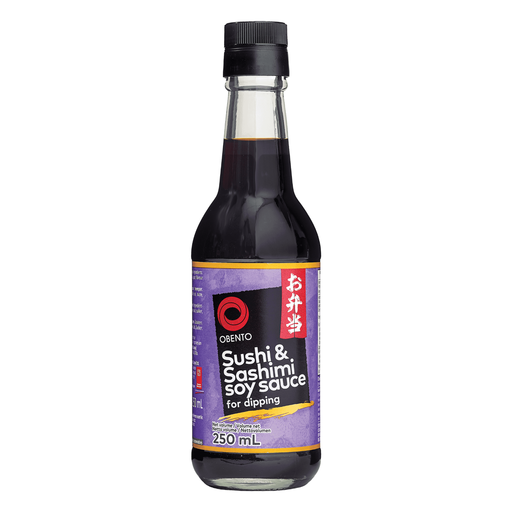
Why it’s a good fit: Designed for sushi and sashimi, with a compact size that is ideal for serving at the table.
You avoid buying a large cooking bottle when you mainly want the sauce as a dip for sushi.
250 ml capacity and a product description that specifically mentions sushi and sashimi.
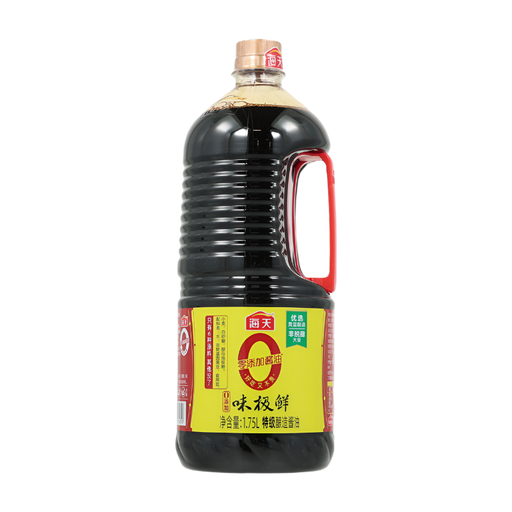
Why it’s a good fit: A large bottle for families, caterers and kitchens where stir-frying, marinating or dipping is part of the daily routine.
The label clearly states the ingredients and volume, helping you distinguish a bulk format from a small table bottle.
1.75-litre capacity; according to the product information, suitable for dipping, stir-frying, marinating and cooking.
Browse the current range of salty soy sauces and compare volume, type, ingredients and intended use for each product.
Soy sauce for sushi is generally a lighter table variety served in a small dish. According to the product description, Obento Sushi & Sashimi Soy Sauce 250 ml was developed specifically for sushi and sashimi. Dip the fish or rice side briefly so the sauce does not overpower the flavour.
Light soy sauce is used mainly for saltiness and umami. Dark soy sauce also adds more colour and often has a sweeter, thicker flavour. Lee Kum Kee Premium Dark Soy Sauce states that the product is intended for dishes including stews and marinades. Use dark sauce sparingly when colour matters more than additional salt or sweetness.
This varies by brand and packaging. Keep the bottle tightly closed, away from direct sunlight and in accordance with the label. If refrigeration is recommended, place the bottle in the refrigerator after opening. Always check the best-before date, and stop using the bottle if the packaging is damaged or the smell and flavour have clearly changed.
