
Vandaag of morgen in huis

Kwaliteit gegarandeerd

Welkomstaanbiedingen ontgrendelen: GRATIS bezorging | Tot 80% korting | Gratis 30 dagen JoyPlus-proefperiode
Download de app
Want to buy soy sauce, but mainly seeing terms such as “premium”, “traditionally brewed” and “rich umami”? These words do not always tell you enough about the flavour, intended use or ingredients. A light soy sauce for stir-frying behaves differently from a dark soy sauce for slow-cooked dishes. Bottle sizes also vary considerably, from 150 ml for occasional use to 1.9 litres for a busy household or professional kitchen.
With this practical selection, you can focus on the information that really matters: ingredients, salt content, intended use, size and storage instructions.
Light soy sauce usually refers to its colour and flavour intensity, not necessarily to a low salt content. For example, Lee Kum Kee Premium Light Soy Sauce 500 ml contains 18 grams of salt per 100 ml. According to the product information, Shinho June Plum Special Grade Raw Brew Soy Sauce contains 15.5 grams of salt per 100 ml and states that it has 26% less salt than a comparison product.
So always check the nutrition table. With a salty variety, start with a small amount and taste as you go.
Dark soy sauce is often intended to add colour and depth to slow-cooked dishes, marinades and meat dishes. Lee Kum Kee Premium Dark Soy Sauce contains, among other ingredients, colourings, sugar and flavour enhancer, and is described as less salty than light soy sauce. Because of its dark colour, a dish can quickly become too dark if you use it as though it were an ordinary light soy sauce.
For stir-fries, cold dishes and dipping, a light variety is usually easier to measure.
A large bottle may seem like good value, but 1.75 or 1.9 litres is not practical if you only cook Asian food a few times a month. After opening, several products recommend refrigeration or quick consumption. A small 150 or 500 ml bottle reduces waste and takes up less space in the fridge.
For a family that stir-fries several times a week, or for a professional kitchen, a large bottle of soy sauce can make sense. In that case, compare the price per 100 ml and check how to store the bottle after opening.
Choose the sauce based on the dish:
If you are looking for one bottle that works with several dishes, you can start with a light soy sauce. For a specific, authentic Asian seasoning, the country of origin and recommended use are more important than the word “premium” on the label.
Soy sauce often contains soya beans, wheat and salt. Wheat means that the sauce contains gluten. If you have an allergy or intolerance, check the label carefully. The products in this selection list soya and wheat as allergens, except where the product information states otherwise.
Also look out for additional ingredients:
A short ingredients list may be appealing, but the right choice depends on the dish and your personal preference. Claims about flavour or product performance come from the brand’s product description, so do not treat them as an independent guarantee.
Compare the nutritional value per 100 ml, rather than just the label on the front. In the selection provided, for example, the salt content ranges from 12.75 grams per 100 ml for Lee Kum Kee Steam Fish Soy Sauce to 19.2 grams for ChuBang Savory Superior Light Soy Sauce.
Store unopened bottles in a cool, dry place away from direct sunlight. After opening, product labels regularly recommend refrigeration. Always follow the instructions on the packaging, particularly for varieties with a short recommended period of use after opening.
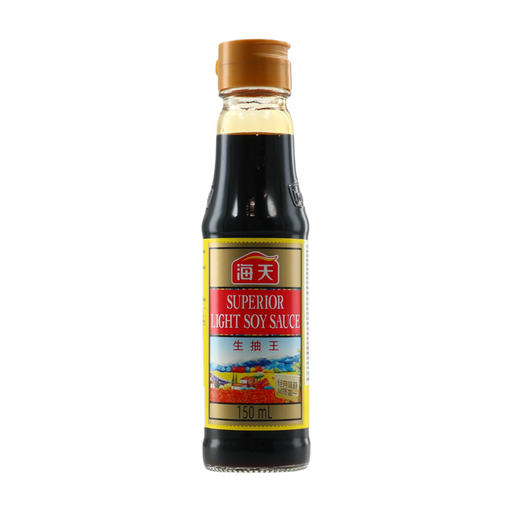
Why it suits this profile: The small size is ideal if you want to try soy sauce first or only cook occasionally. The sauce can be used for cooking, marinating and dipping.
You are not immediately committing to a bottle of almost two litres. Do check the stated 17.1 grams of salt per 100 ml and the storage advice.
Compact size; versatile light soy sauce for everyday use.
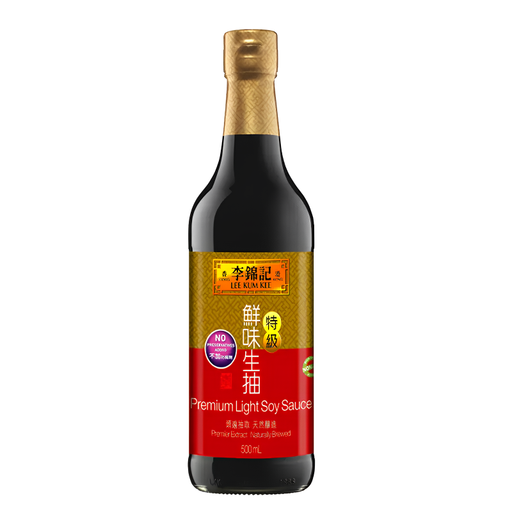
Why it suits this profile: According to the product description, this Chinese soy sauce is fermented from defatted soya beans and wheat and is suitable for dipping, marinating and cooking.
Its intended uses are clearly described, and the 500 ml size means you do not need a large bottle for everyday use straight away.
500 ml; clear reddish-brown colour; suitable for several cooking methods.
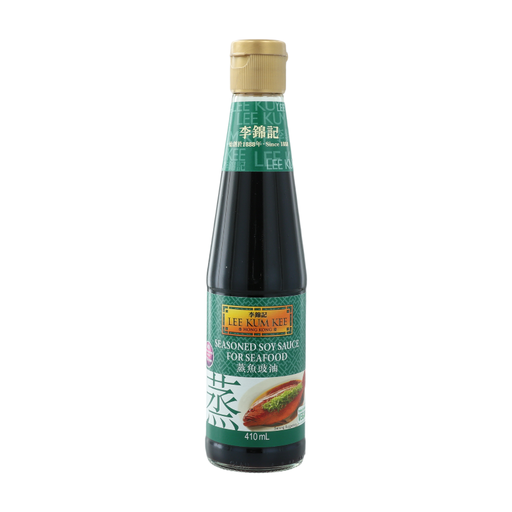
Why it suits this profile: According to the product information, this sauce was specifically developed for steamed fish and seafood, with a lighter colour and a sweet-savoury flavour.
You do not have to use a general-purpose soy sauce for a dish where colour and quantity can quickly overpower the other flavours. The instructions recommend heating the sauce and pouring it over the fish.
410 ml; specific use; 12.75 grams of salt per 100 ml according to the label.
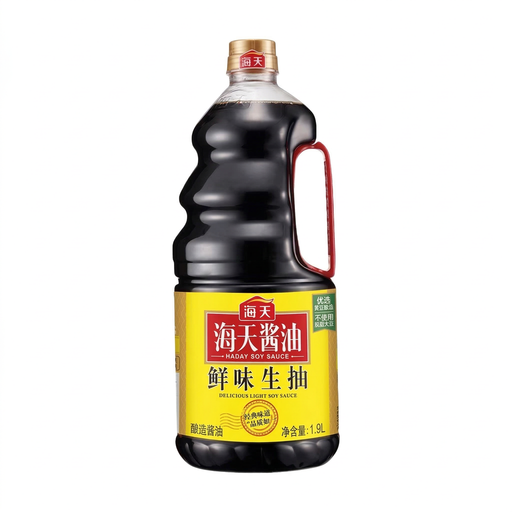
Why it suits this profile: The 1.9-litre bottle is aimed at households and kitchens with high daily usage. According to the product information, the sauce is suitable for stir-frying, slow-cooking, marinating and dipping.
The large size suits frequent use, making the price per 100 ml relevant. Make sure you have enough storage space and follow the recommended storage period after opening.
1.9 litres; suitable for several cooking techniques; 16.9 grams of salt per 100 ml.
We have put together a complete, up-to-date list of products that fully meet these strict selection criteria and the applicable European safety regulations.
A light soy sauce is generally practical for stir-frying, as it adds flavour without immediately adding too much dark colour. Add the sauce towards the end of cooking and start with a small amount. Check the salt content if you are also using stock, miso or other salty ingredients.
Yes, several products are suitable for dipping according to their usage instructions. A light or Japanese soy sauce works well with sushi, dumplings and spring onions, for example. A dark Thai soy sauce with a high molasses content is better suited to dishes where a sweeter, fuller flavour is desired.
This varies by product. Store the bottle according to the label; several varieties recommend refrigeration after opening. Seal the bottle tightly, do not use any product from damaged packaging and check the use-by or best-before information on the bottle. A smaller size is often more convenient if you do not cook with soy sauce regularly.
